How Ant Colonies Expand Faster Around Wilmington Once Late Spring Hits
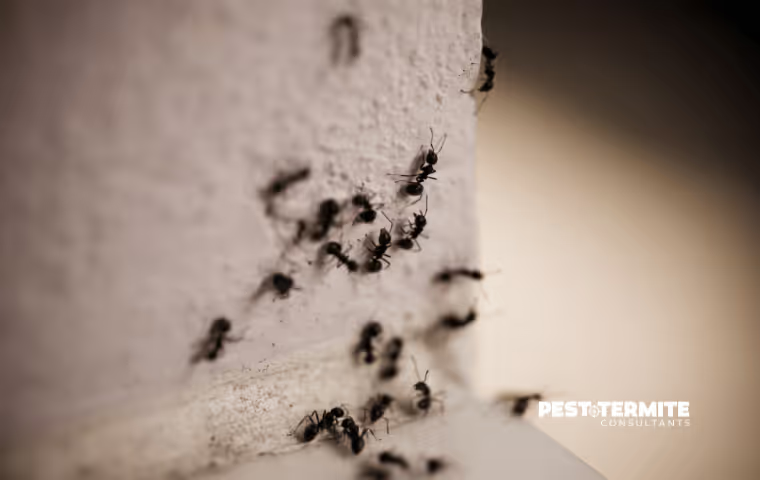
With the arrival of warmer weather, you may have suddenly started seeing ant trails along your foundation, patio, or kitchen counter. Homeowners in coastal areas often notice a sharp jump in ant activity as late spring sets in, and this cycle tends to repeat year after year.
Knowing why this pattern shows up and what you can do about it can help you avoid recurring ant problems at your Wilmington home every spring.
Why Late Spring Accelerates Ant Colony Growth
Ant colonies stay active through much of the year in coastal areas like Wilmington, Ogden, or Leland, but late spring is when their growth really speeds up. A few key factors drive this.
Warmer Soil Temperatures
As the ground warms, ant colonies become more active below the surface. Queens increase egg production, leading to rapid population growth in a short period.
Consistent Moisture Levels
Coastal regions like Wilmington have high humidity and moisture, especially after spring rains. Ants rely on this moisture to maintain their nests and support colony expansion.
Increased Food Demand
With more ants to feed, worker ants travel farther and more frequently. This is when homeowners begin noticing defined trails forming around the property.
Why Ant Trails Intensify Around Coastal Homes
As colonies grow, ants become more aggressive in their search for food and water, which leads them straight to homes where resources are easier to find.
Foundations Become Primary Entry Points
Ants often build nests near or under foundations. As populations increase, they create well-defined trails along exterior walls, and small cracks or gaps let them move inside without much resistance.
Patios and Outdoor Living Areas Attract Ant Activity
Patios provide both shade and food sources. Crumbs, spills, and moisture make these areas ideal feeding grounds for scavenging ants, and trails may form between the nest and these consistent food sources.
Kitchens Offer Reliable Food and Water Sources
Once ants find an access point that lets them inside, kitchens become a central target. Even small amounts of food residue or moisture around sinks can support large numbers of ants.
Common Signs of Expanding Ant Colonies
Late spring ant activity tends to be more noticeable because of the increase in numbers and movement.
Watch for:
- Steady ant trails along baseboards or countertops
- Increased activity near doors, windows, and foundation edges
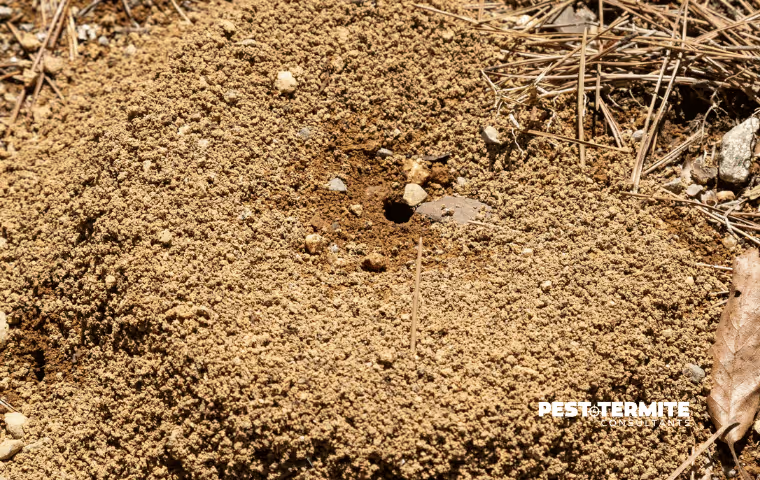
- Small piles of dirt or sand near cracks or entry points
- Ants that appear quickly after food is left out
These signs usually indicate a growing colony nearby rather than a one-time occurrence.
Why Coastal Conditions Make It Worse
Homes in Wilmington and the surrounding areas deal with environmental factors that support faster colony expansion.
- Mild temperatures allow longer active seasons
- Moist soil supports larger underground nests
- Frequent rain cycles push ant colonies to relocate and expand
- Dense landscaping gives ants shelter close to homes
Because of these conditions, ant problems tend to grow quickly if not addressed early.
How to Slow Down Ant Activity
Managing ant activity in late spring means focusing on both the source of the problem and the conditions that support it.
Reduce Moisture Around the Home
Address drainage issues and avoid overwatering landscaping. Keep gutters clear and direct water away from the foundation.
Eliminate Food Sources
Clean up crumbs, spills, and pet food quickly. Store food in sealed containers and keep surfaces clean and dry.
Seal Entry Points
Close any gaps around doors, windows, and utility lines. Even small openings can let large numbers of ants inside.
Monitor Outdoor Activity
Watch for trails forming along the foundation or patio. Early detection makes treatment more effective.
For homeowners dealing with ongoing issues, professional ant control in Wilmington, NC can target both visible activity and the hidden colony behind it. Long-term protection often requires consistent treatment, especially in areas with high moisture and seasonal pressure.
FAQs About Spring Ant Activity in Wilmington
Why do ants become more active in late spring?
Late spring brings warmer soil and steady moisture, which lets colonies grow quickly. As the population increases, ants expand their search for food and water.
Why are ants forming trails along my foundation?
Ants often nest near or under foundations. As colonies expand, they create consistent trails to move between the nest and food sources inside your home.
Are ants in my kitchen a sign of a larger problem?
Yes. Indoor ant activity usually means there is an established colony nearby. The ants you see are part of a larger network searching for food and water.
Do coastal areas have more ant problems?
Coastal areas like Wilmington, Ogden, and Leland tend to have higher moisture levels and milder temperatures, which support larger colonies and longer periods of activity.
Can ants go away on their own?
Ant activity may decrease temporarily, but colonies rarely disappear without treatment. Without addressing the source, the problem often returns or worsens.
When should I call a professional?
If you are seeing repeated trails, activity in multiple areas, or ants returning after cleaning, it is time to consider professional ant control for your home.
Take Action Before Summer
Late spring is when ant colonies expand the fastest, setting the stage for heavier activity throughout the summer. If you are noticing increased ant trails around your home in Wilmington, Ogden, or Leland, now is the time to act.
Call Pest & Termite Consultants at (910) 707-3830 to schedule an inspection and protect your Wilmington home from growing ant activity.