
What Is Hantavirus? Symptoms, Transmission & Prevention
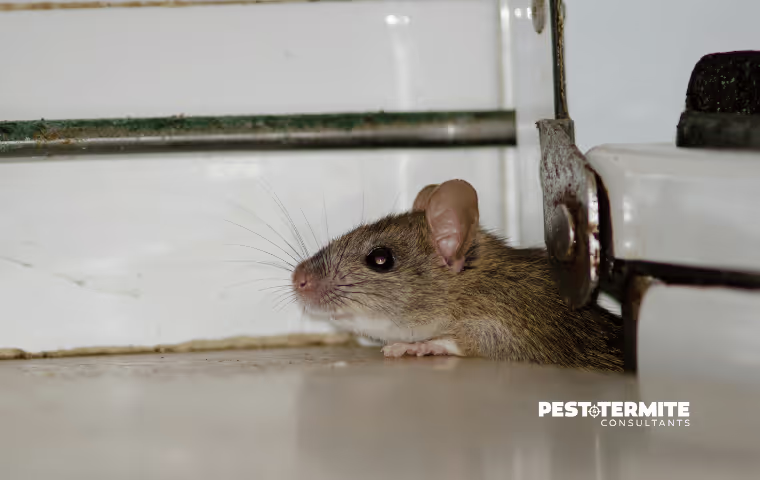
What Is Hantavirus?
Hantavirus is a group of viruses carried by certain rodents. In the United States, it is most commonly associated with Hantavirus Pulmonary Syndrome, a rare but serious respiratory illness.
The virus spreads through exposure to contaminated rodent droppings, urine, or saliva, not through casual human contact.
How Is Hantavirus Transmitted?
Hantavirus is most often transmitted through airborne particles.
Common exposure scenarios include:
- Sweeping or disturbing rodent droppings
- Cleaning enclosed areas with rodent activity
- Handling contaminated materials without protection
When these particles become airborne, they can be inhaled and lead to infection.
Where Is Hantavirus Most Commonly Found?
Hantavirus risk is highest in areas where rodents live and nest.
Common locations include:
- Crawlspaces
- Attics
- Garages and sheds
- Storage areas with clutter
- Vacant or rarely used structures
Outdoor areas like woodpiles and debris zones can also support rodent activity.
What Are the Symptoms of Hantavirus?
Symptoms often begin with flu-like signs and can become more severe.
Early symptoms:
- Fever
- Muscle aches
- Fatigue
- Headaches
Advanced symptoms:
- Shortness of breath
- Chest tightness
- Difficulty breathing
Symptoms can worsen quickly, so early medical attention is important.
How Serious Is Hantavirus?
Hantavirus is considered a serious illness due to its impact on the respiratory system. While cases are rare, they can become severe if not addressed quickly.
Because symptoms may appear gradually, early awareness plays an important role in reducing risk.
How Can You Reduce the Risk of Hantavirus?
Reducing hantavirus risk starts with limiting rodent activity and avoiding exposure.
Key prevention steps include:
- Sealing gaps around your home
- Storing food properly
- Keeping areas clean and clutter-free
- Managing moisture in crawlspaces and basements
- Removing debris near the home
What Is the Safest Way to Clean Rodent Droppings?
Proper cleaning methods help reduce airborne exposure.
Recommended steps:
- Ventilate the area before cleaning
- Wear gloves and protective equipment
- Lightly dampen droppings before removal
- Avoid sweeping or vacuuming dry materials
These steps help prevent particles from becoming airborne.
Why Rodent Control Matters for Hantavirus Prevention?
Rodents are the primary carriers of hantavirus. Reducing rodent activity lowers the risk of exposure.
Signs of rodent activity include:
- Droppings
- Gnaw marks
- Scratching sounds
- Nesting materials
Addressing these signs early helps reduce long-term risk and improves overall home safety.
Hantavirus FAQs
What is hantavirus?
Hantavirus is a virus carried by certain rodents that can cause a serious respiratory illness known as Hantavirus Pulmonary Syndrome.
How do humans get hantavirus?
Humans typically get hantavirus by inhaling airborne particles from rodent droppings, urine, or saliva.
Can hantavirus spread from person to person?
In most cases in the United States, hantavirus does not spread from person to person.
What are the first signs of hantavirus?
Early symptoms include fever, fatigue, muscle aches, and headaches, which can progress to respiratory issues.
Where is hantavirus commonly found?
Hantavirus is commonly found in areas with rodent activity such as crawlspaces, attics, garages, and storage areas.
Is hantavirus common?
Hantavirus is rare, but it can be serious, which is why prevention and awareness are important.
How can I prevent hantavirus exposure?
Prevent exposure by reducing rodent activity, sealing entry points, and using safe cleaning practices when dealing with rodent droppings.


