
What Subtle Termite Warning Signs Look Like in Older Wilmington Homes
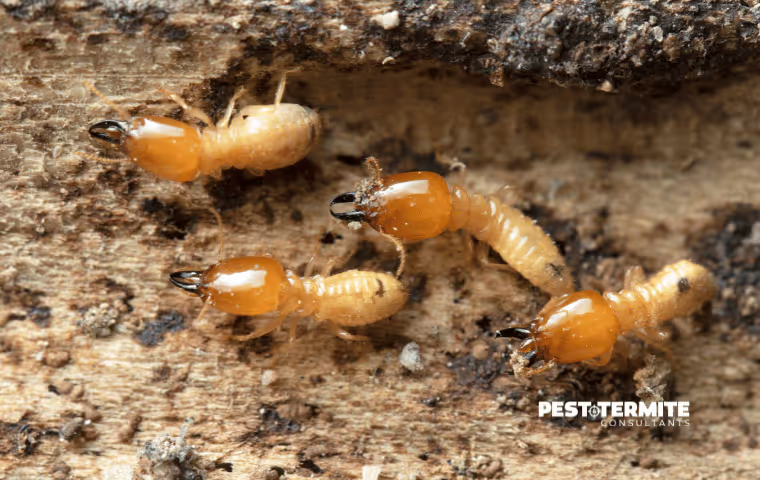
Older homes along the coast often have character, charm, and, unfortunately, increased vulnerability to termite activity. In areas like Wilmington, the combination of warm temperatures, high humidity, and crawlspace construction creates ideal conditions for termites to remain a year-round threat.
The challenge for coastal homeowners is that termite damage rarely appears suddenly. Instead, it develops quietly and often isn't obvious until it is too late. Learning to recognize subtle warning signs can help you detect termite activity early, before structural damage becomes serious.
Why Older Coastal Homes Face Higher Termite Risk
Older homes typically have more features that can attract termites, including untreated wood, aging crawlspaces, and areas where wood sits close to soil.
Coastal environments also add to termite risk through:
- High humidity levels
- Frequent rainfall
- Damp crawlspaces
- Dense landscaping around homes
These conditions create an environment where termite colonies can remain active while staying hidden from view.
Mud Tubes Along Foundations or Crawlspaces
One of the most recognizable signs of termites is mud tubes. These small tunnels are made from a mixture of soil and saliva and let termites travel between the ground and wood while staying protected from air exposure.
Mud tubes may appear:
- Along foundation walls
- On crawlspace piers
- Inside crawlspaces
- Near cracks in concrete
Since these tubes are often located in hidden areas, they can go unnoticed for long stretches of time.
Wood That Sounds Hollow
Termites feed on wood from the inside out, which means the outer surface of the damaged wood may look normal while the interior has been hollowed out.
Signs of this type of damage may include:
- Wood that sounds hollow when tapped
- Baseboards that feel soft
- Floors that feel slightly uneven
In older homes, these subtle changes are easy to mistake for normal wear.
Doors and Windows That Suddenly Stick
Termite damage can cause wood structures to warp slightly. When this happens, doors and windows may begin sticking or become difficult to open and close.
Seasonal humidity can also affect wood movement, but unexplained changes in door or window alignment can sometimes signal hidden termite activity worth investigating.
Discarded Wings Near Windows or Doors
During swarm season, termite colonies release winged reproductive members known as swarmers. After finding a place to start a new colony, these flying insects shed their wings.
Small piles of wings near windows, doors, or light fixtures may point to termites active nearby. Even if swarmers are no longer present, their discarded wings remain an important warning sign.
Small Cracks or Bubbling in Paint
Termite damage can sometimes create subtle surface changes. Homeowners may notice bubbling paint, small cracks in drywall, or slight discoloration along baseboards.
These changes may resemble moisture damage, but they can also indicate termite activity concealed beneath the surface.
Why Early Detection Is So Important
Termites are often called silent destroyers because their damage develops slowly and quietly. By the time obvious structural problems appear, a colony is likely already well established.
Regular termite inspections in Wilmington help identify early warning signs before damage spreads. Inspections let professionals detect termite activity in crawlspaces, foundations, and other hidden areas homeowners rarely see.
How Professional Termite Control Protects Coastal Homes
Since coastal conditions support termite activity, ongoing monitoring and preventative treatment matter for long-term protection.
Professional termite control in Wilmington focuses on:
- Identifying conducive conditions
- Monitoring for early termite activity
- Preventing colonies from expanding
- Protecting structural wood from termite damage
This preventative approach helps homeowners avoid costly repairs and maintain the integrity of their homes.
Coastal Termite Control and Prevention FAQs
Are older homes more likely to have termites?
Older homes may have more risk factors, such as untreated wood or crawlspace moisture.
Do termites always leave obvious damage?
No. Termite damage often develops slowly and stays hidden for a long time.
What do termite mud tubes look like?
They appear as thin, brown tunnels made from soil along surfaces like foundations.
Are swarmers the first sign of termites?
Not exactly. Swarmers are often the first obvious sign homeowners notice, but they indicate an existing termite problem rather than a brand new infestation.
How often should termite inspections be scheduled?
Annual inspections are typically recommended.
Can termite damage be repaired?
Yes, but prevention and early detection help homeowners avoid costly repairs.
Do termites only attack old wood?
No. Termites feed on many different types of wood, old or new.
Is termite control necessary near the coast?
Recurring termite treatment is recommended, since coastal climates often support ongoing termite activity.
Protect Older Homes With Early Termite Detection
Older coastal homes require extra attention when it comes to termite prevention. Subtle warning signs can appear long before serious damage becomes noticeable, which makes early detection essential.
Scheduling routine termite inspections and treatments in Wilmington helps protect your home from hidden termite activity and keeps small problems from becoming expensive repairs.
If you want to ensure your home stays protected, call (910) 707-3830 to schedule a termite inspection in Wilmington.


