What Homeowners Often Misidentify Before Termite Damage Appears
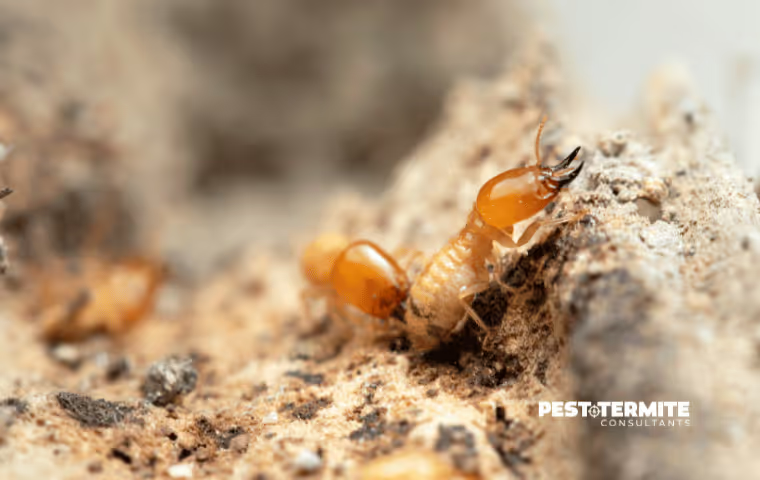
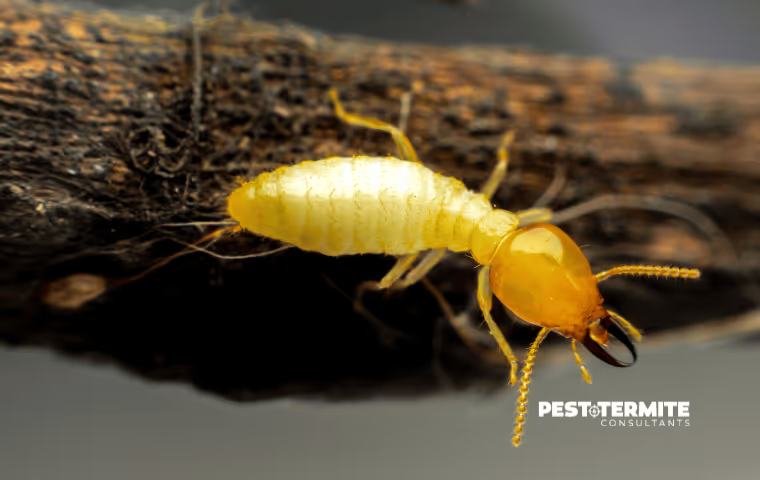
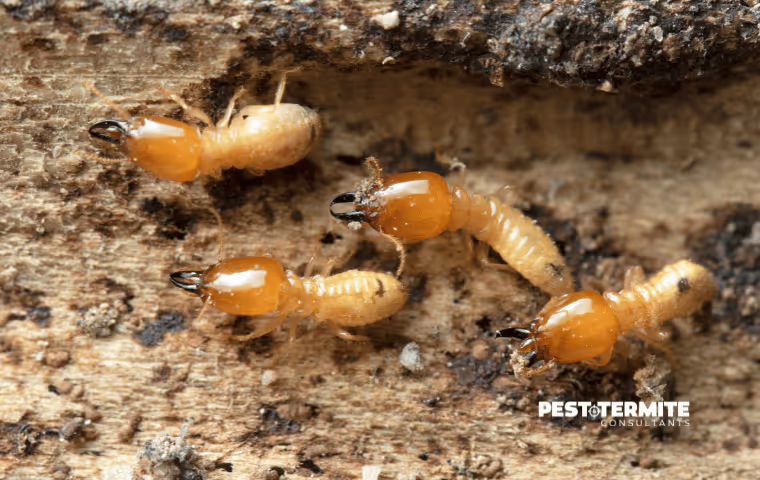
Termite damage rarely starts out obvious. In many cases, the early signs are subtle and easy to mistake for something else entirely, or overlooked altogether. Homeowners in North Myrtle Beach and the surrounding areas often miss or misidentify these warning signs, which lets termite activity continue undetected.
Understanding what termites are commonly confused with can help you catch problems earlier and protect your home before the damage becomes extensive.
Flying Ants vs. Termite Swarmers
One of the most common mix-ups is confusing termite swarmers with flying ants. Both are winged insects that appear in the warmer months and are often seen near windows or light sources.
Key differences include termites having straight antennae while ants have bent antennae, termites having equal-length wings while ants have uneven wings, and termites having thicker, straight bodies while ants have narrow waists.
Since swarmers often appear only briefly, homeowners may dismiss them as harmless ants. In reality, swarmers are a warning sign worth paying attention to, since they indicate a mature termite colony nearby.
Water Damage vs. Termite Damage
Termite damage is frequently mistaken for water damage because both can cause wood to warp, discolor, or weaken. Termite damage, however, often follows the grain of the wood, leaves a thin outer layer intact, and creates hollow-sounding areas. In coastal areas like North Myrtle Beach, Atlantic Beach, and Crescent Beach, where moisture issues are common anyway, this confusion can delay proper identification.
Cracks in Walls vs. Structural Movement
Small cracks in drywall or uneven surfaces are often chalked up to normal settling. That's sometimes true, but termite activity can also cause structural changes that create similar warning signs. If cracks appear alongside other indicators, like sticking doors or hollow wood, it may point to termite damage rather than ordinary wear.
Mud Tubes Mistaken for Dirt or Debris
Mud tubes are one of the clearest signs of termite activity, but they're often missed simply because homeowners don't know to check for them. These small, dirt-like tunnels may appear along foundations, crawlspaces, or walls, and homeowners often assume they're dirt buildup, old debris, or harmless residue. In reality, termites use mud tubes to travel between the soil and wood while staying protected from air exposure.
Soft Wood Attributed to Age
In older homes, especially along the coast, soft or weakened wood often gets blamed on age or humidity. Moisture can certainly contribute to wood deterioration, but termites actively consume wood from the inside out, which produces similar signs. If wood feels soft or sounds hollow, it should be inspected to rule out termite activity.
Why Getting It Wrong Leads to Bigger Problems
When early warning signs are misidentified, termite colonies keep growing and spreading. What begins as a small issue can develop into significant structural damage over time. Many homeowners only start looking for solutions after visible damage appears, but by then termites may have been active for months or longer. This is why regular termite inspections in North Myrtle Beach and the surrounding area matter for early detection.
Before You Buy, Sell, or Renovate
Misidentified termite signs cause the most trouble around real estate transactions and renovation projects. If you're planning to sell a home, buy a fixer-upper, or start a renovation along the Grand Strand, it's worth having wood structures checked before work begins rather than discovering active damage mid-project.
The Value of Professional Inspections
Professional inspections focus on identifying the subtle signs that are easy to miss. Crawlspaces, foundations, and hidden structural areas get evaluated for activity and risk factors. Routine inspections help detect termite activity early, identify conducive conditions, prevent colonies from expanding, and reduce long-term repair costs. Reliable North Myrtle Beach termite control focuses on prevention and monitoring, not just treatment after damage occurs.
How Termite Control Protects Coastal Homes
Coastal environments create ongoing termite pressure. Moisture, wooden structures, and mild weather let termites stay active through much of the year. Effective termite control for coastal homes protects structural wood, reduces termite access points, monitors for early activity, and prevents repeat infestations. This proactive approach matters especially in communities like North Myrtle Beach, Atlantic Beach, and Crescent Beach, where conditions support increased termite activity.
FAQs: Termite Control Near North Myrtle Beach
Are termite swarmers easy to confuse with ants?
Yes. Many homeowners mistake swarmers for flying ants.
Do termites always leave visible damage?
No. Termite damage often develops inside wood before it is visible.
What do mud tubes look like?
Mud tubes are small, dirt-like tunnels commonly found along surfaces like foundations and walls.
Can water damage be mistaken for termites?
Yes. Both can cause weakened or discolored wood.
Are older homes more at risk for termites?
Older homes may have more conditions that attract termites.
How often should termite inspections be scheduled?
Homes should be inspected for termites at least once per year.
Is termite activity common near the coast?
Yes. Coastal conditions support ongoing termite activity.
Don't Let Misidentified Signs Turn Into Costly Damage
Many termite problems begin with signs that are easy to overlook or misread. By learning what to watch for and scheduling regular inspections, you can catch activity early and avoid expensive repairs.
Proactive termite inspections and reliable termite control near North Myrtle Beach help protect homes in coastal areas where termites are a year-round threat. For help identifying and preventing termite activity, call (854) 588-7770 to schedule a termite inspection in North Myrtle Beach and the surrounding areas.