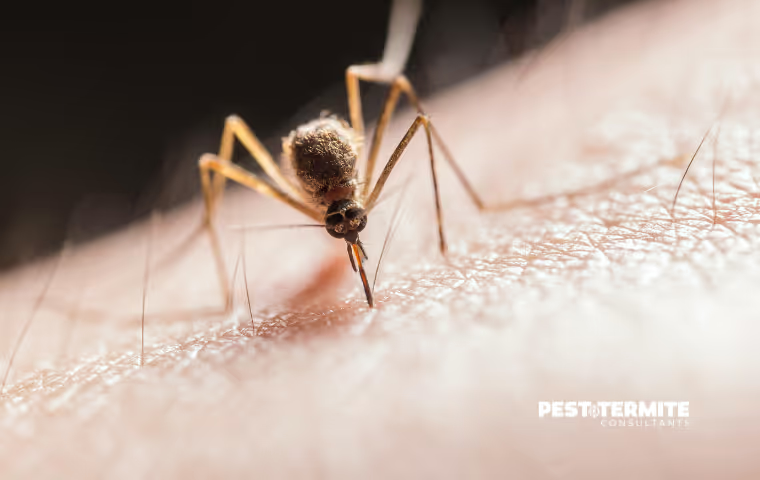
Why Mosquito Bites Increase So Much in Late Spring Along the Coast
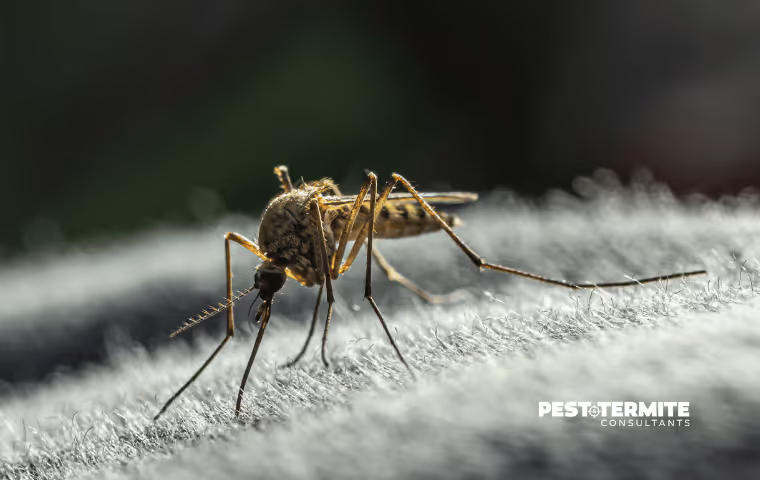
By late spring, homeowners in North Myrtle Beach, Little River, and Cherry Grove start noticing a sharp jump in mosquito bites. What felt manageable a few weeks earlier can quickly turn into constant outdoor discomfort.
This surge doesn't come out of nowhere. It's the result of weeks of mosquito breeding combined with coastal conditions that let populations grow fast. Understanding why bite pressure increases can help homeowners act before peak summer conditions arrive.
Breeding Cycles Build for Weeks Before You Notice
Mosquito populations grow in cycles. Each generation develops in standing water, and under the right conditions, that cycle moves fast. In late spring, eggs laid earlier in the season begin to hatch, larvae develop rapidly in warm, moist environments, multiple generations overlap, and adult populations increase significantly. By the time bites become noticeable, several breeding cycles have already happened.
Why the Coast Speeds Things Up
Coastal environments like North Myrtle Beach, Little River, and Cherry Grove provide ideal conditions for mosquitoes: high humidity that supports survival, frequent rain that creates breeding sites, warm temperatures that speed up development, and dense vegetation that offers resting areas. These factors let populations expand faster than in many inland areas.
Small Yard Issues Add Up Fast
Yard conditions play a major role in mosquito activity, and even minor issues can lead to big population increases. Common problem areas include standing water in low spots or containers, clogged gutters that hold rainwater, flower pot trays and outdoor items that collect water, overgrown vegetation that provides shade and shelter, and poor drainage around foundations. Left unaddressed, these conditions let populations keep growing through the season.
Why Bites Feel Worse This Time of Year
As mosquito populations grow, so does competition for food sources, which leads to more aggressive feeding, increased daytime activity in shaded areas, higher concentrations of mosquitoes in yards, and more frequent bites during outdoor activities. That's why late spring often feels like the turning point for mosquito pressure.
Rental Yards Are Often Overlooked
Pool toys, coolers, and drink cups left in the yard between guests at a vacation rental can hold just enough water to start a new generation of mosquitoes, especially with no one checking the property daily. A quick sweep for standing water during turnover cleaning goes a long way toward keeping a rental yard from becoming a breeding ground.
Waiting Makes the Problem Harder to Control
Many homeowners wait until mosquito activity becomes overwhelming before taking action, but by then populations are already well established. That usually means more frequent treatments are needed, breeding areas are harder to control effectively, and mosquito pressure continues throughout the summer. Early mosquito control in North Myrtle Beach helps interrupt breeding cycles before populations peak.
How Professional Treatment Helps
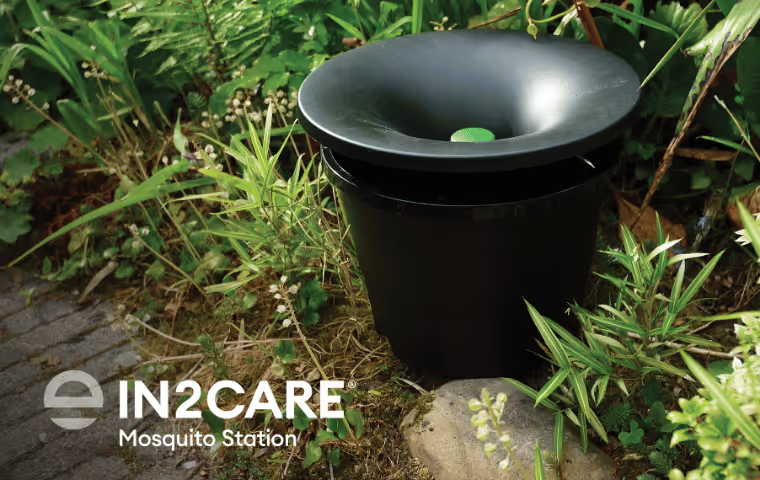
Professional mosquito control focuses on both breeding sites and adult mosquito activity, helping reduce populations early, target high-risk areas around the yard, limit breeding and resting sites, and provide more consistent relief throughout the season. Ongoing service helps manage changing conditions as weather patterns shift.
Steps Homeowners Can Take
To lower mosquito pressure in late spring: empty standing water regularly, clean gutters and remove debris, improve yard drainage, trim vegetation to reduce shaded areas, store outdoor containers upside down, and refresh bird baths and pet bowls often. These steps reduce breeding conditions but typically don't eliminate all mosquito activity on their own.
FAQs About Late Spring Mosquito Activity
Why do mosquito bites increase in late spring?
By late spring, multiple mosquito breeding cycles have already taken place, leading to larger mosquito populations and increased bite pressure.
How quickly do mosquitoes reproduce?
Mosquitoes can develop from eggs to adults in about a week under ideal conditions.
Do coastal areas have more mosquitoes?
Yes. Coastal humidity and moisture support mosquito activity.
Can small amounts of water cause mosquito problems?
Yes. Even small, seemingly insignificant amounts of water can support mosquito breeding.
Is late spring too late to start mosquito control?
No, but starting prevention steps earlier is more effective.
Do mosquitoes only bite at night?
Many species are active during the day, especially in shaded areas.
Can I eliminate mosquitoes on my own?
You can take steps to reduce breeding and resting sites, but professional treatment provides stronger long-term protection.
Reduce Mosquito Pressure Before Summer Peaks
Mosquito problems in North Myrtle Beach, Little River, and Cherry Grove don't start when bites become noticeable. They build gradually as breeding cycles repeat and yard conditions go untreated. Addressing these issues early helps limit population growth and keeps mosquito activity from getting more aggressive later.
If frequent mosquito bites are cutting into your time outdoors, now is the time to act. Proactive mosquito control helps manage breeding and reduce bite pressure before peak season. For help protecting your yard this season, call (854) 588-7770 to schedule a mosquito treatment in North Myrtle Beach.