
What Are Mosquitoes?
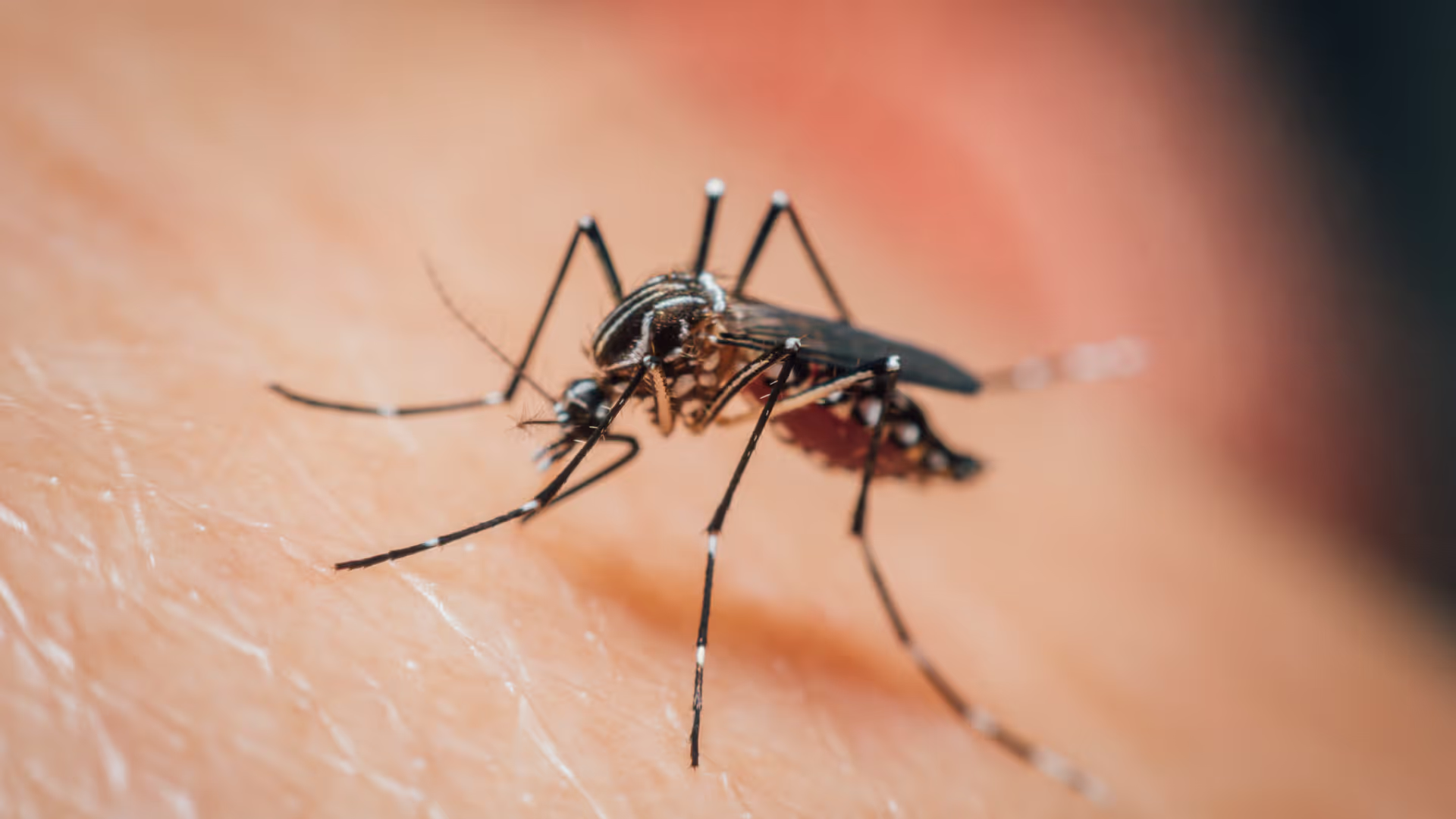
Mosquitoes are parasitic insects that are closely related to flies. Females feed on the blood of their hosts (people and animals) to get the protein necessary to create their eggs. Plant nectar is the main food source for both the males and females. Adult mosquitoes have slender bodies, long legs, and narrow, hairy wings. They also have an extended, piercing mouthpart (proboscis) that they use for feeding. Their coloring and color patterns are species-specific, though most species are black, dark brown, or black and white.

Are Mosquitoes Dangerous?
Mosquitoes, despite their frail nature and small size, are actually considered one of the world’s most deadly animals. Female mosquitoes feed on the blood of a variety of animal and human hosts. This means they are capable of easily and quickly spreading significant diseases and life-threatening parasites. Mosquitoes are responsible for transmitting West Nile virus, encephalitis, and the Zika virus in the United States. They are also responsible for infecting dogs with potentially fatal parasitic heart worms. In other parts of the world, they are responsible for spreading many deadly diseases, including Malaria.


