Why Mosquito Populations Spike After Early Summer Rains in Wilmington

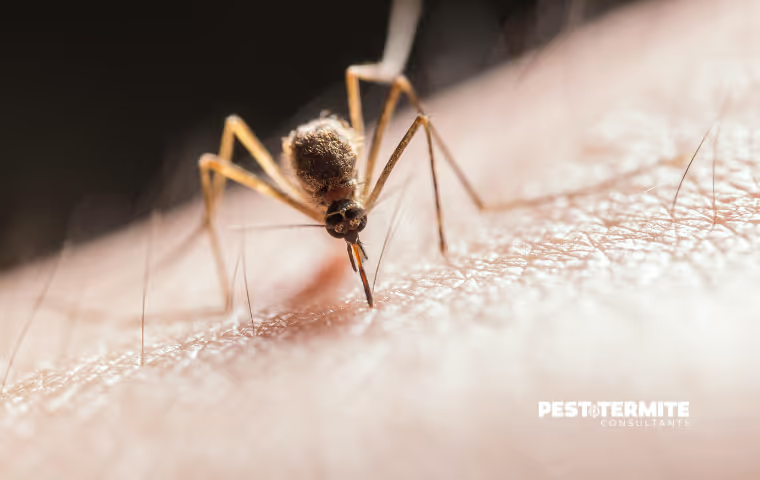
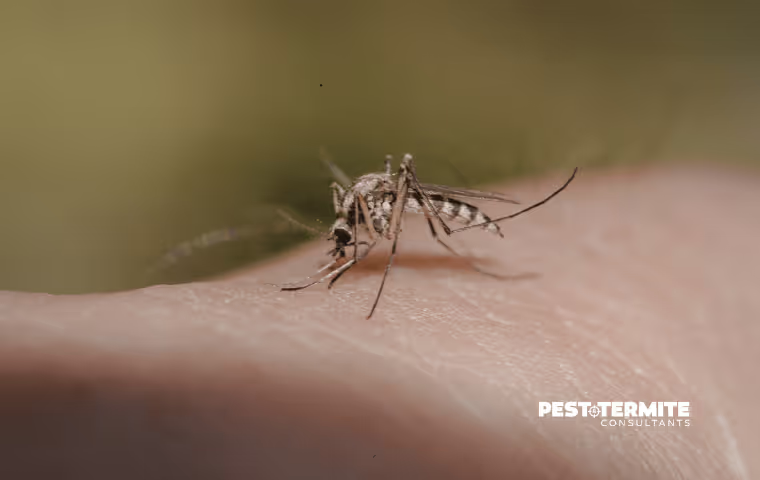
Homeowners in Wilmington and the surrounding communities often notice a sudden jump in mosquitoes right after the first heavy rains of early summer. What feels like an overnight problem is actually the result of weeks of breeding that starts back in spring.
Understanding how mosquito populations build and why rain triggers a spike can help you get ahead of them before they take over your yard and disrupt your summer plans.
How Spring Sets the Stage for Mosquito Growth
Mosquito problems do not start in summer. They begin much earlier, once weather conditions let eggs and larvae develop.
Standing Water Creates Breeding Sites
During spring, frequent rain and mild temperatures create small pockets of standing water. These turn up in:
- Gutters and downspouts
- Flower pots and plant trays
- Low spots in the yard
- Tarps, toys, and outdoor equipment
Even a small amount of water is enough for mosquitoes to lay eggs.
Warmer Weather Allows Eggs to Hatch
Mosquito eggs can stay dormant until conditions are right. As temperatures rise and moisture stays consistent, those eggs begin to hatch.
By late spring, many properties already have mosquito populations developing, even if the activity is not yet noticeable.
Why Early Summer Rains Trigger a Population Spike
The first rainstorms of early summer act as a turning point for mosquito activity.
Rapid Hatching After Rainfall
Heavy rain creates breeding sites and activates dormant eggs, leading to a sudden wave of hatching across multiple areas at once.
Faster Development Cycles
Warm temperatures speed up the mosquito life cycle. Under the right conditions, mosquitoes can go from egg to adult in as little as a week.
Expanded Breeding Areas
Rainwater collects in new spots, creating additional breeding sites. Areas that were previously dry can suddenly support mosquito growth.
This combination of factors is what leads to a noticeable surge in mosquito numbers across Wilmington and nearby coastal areas each early summer.
Why Coastal Areas See Stronger Mosquito Surges
Communities like Wilmington, Carolina Beach, and Hampstead often see more intense mosquito activity because of a few environmental conditions.
- Higher humidity supports mosquito survival
- Sandy soil lets water pool in unexpected spots
- Coastal vegetation provides shade and shelter
- Frequent rain cycles keep breeding sites active
These factors let mosquito populations grow quickly and stay active all summer long.
Where Mosquitoes Are Coming From Around Your Home
Mosquitoes rarely travel far from where they hatch, which means the source is often on your property or very close by.
Common problem areas include:
- Clogged gutters holding water
- Drainage issues near the foundation
- Birdbaths and decorative water features
- Containers left outside in the rain
- Shaded areas where water does not evaporate quickly
Finding and addressing these breeding sites is key to reducing mosquito activity around the yard.
How to Reduce Mosquito Activity Early
Taking action after the first summer rains can help control mosquito populations before they peak.
Eliminate Standing Water
Empty containers that collect water on a regular basis. Keep gutters clear and make sure water drains properly away from the home.
Improve Yard Drainage
Fill in low spots in the yard and adjust landscaping so water does not pool after rain.
Maintain Landscaping
Trim vegetation to cut down on the shaded, damp areas where mosquitoes rest during the day.
Stay Consistent
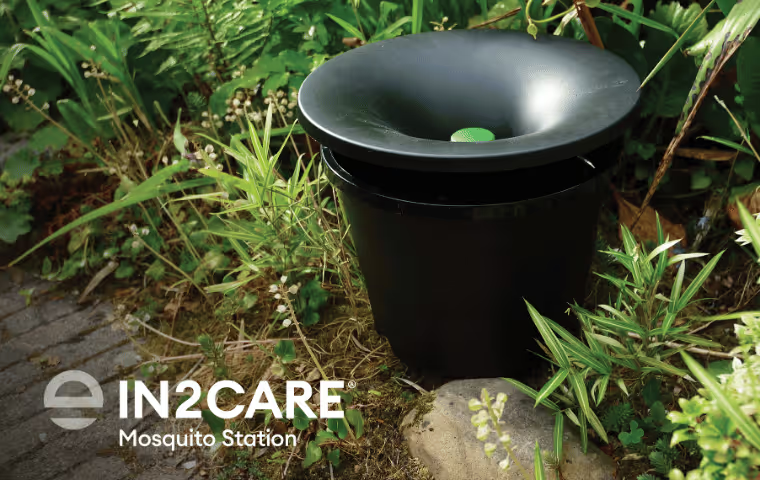
Since mosquitoes reproduce quickly, ongoing maintenance is necessary to keep populations under control. Ongoing mosquito treatments for Wilmington yards provide consistent protection throughout the season.
For homeowners dealing with heavy activity, professional mosquito control in Wilmington, NC can target breeding sites and reduce adult populations directly.
Wilmington's FAQs About Early Summer Mosquito Control
Why do mosquitoes increase after it rains?
Rain creates standing water, which mosquitoes use to lay eggs. It also triggers dormant eggs to hatch, leading to a rapid increase in population.
How quickly can mosquitoes develop after rain?
In warm conditions, mosquitoes can develop from eggs to adults in about 7 to 10 days, which is why populations spike so quickly.
Are mosquitoes coming from my yard or nearby areas?
Most mosquitoes stay close to where they hatch, so they are likely coming from standing water on your property or very close to it.
What is the most effective way to reduce mosquitoes?
Eliminating standing water is the most important step. Combining this with consistent mosquito control treatments provides the best results.
Do coastal areas have more mosquito problems?
Yes. Areas like Wilmington, Carolina Beach, and Hampstead have higher humidity and frequent rain, which support larger mosquito populations.
Take Action Fast After the First Summer Rains
The spike in mosquito activity after early summer rains is predictable, but it is also preventable. By addressing breeding sites early and staying on top of yard maintenance, you can reduce the impact before populations peak.
If mosquitoes are already becoming a problem around your Wilmington, Carolina Beach, or Hampstead home, now is the time to act. Call (910) 707-3830 to protect your outdoor space and enjoy your yard without constant mosquito pressure.