Common Pests Found in North Myrtle Beach Vacation Homes & How to Prevent Them
Vacation homes along the Grand Strand sit empty for stretches at a time between guest bookings, off season closures, or owner visits, and that downtime is exactly when pests move in. Coastal humidity, warm year round temperatures, and the marsh and waterway areas around North Myrtle Beach all support steady pest activity from ants, American roaches, rodents, spiders, and moisture loving insects. A property near Cherry Grove or tucked along the Intracoastal Waterway can go from clean to infested in the space of a two week gap between renters, often without anyone noticing until a guest checks in and finds the problem first.
This guide covers the pests most likely to show up in a North Myrtle Beach vacation rental, what to check between guests, and how a recurring pest control plan protects your bookings, your reviews, and your property whether you manage it yourself or through a property management company.
What Makes Vacation Homes an Easy Target
A home that sits quiet for days at a time gives pests room to settle in undisturbed. A few conditions push pest pressure higher for rental properties specifically:
- Coastal humidity keeps moisture levels elevated indoors, which draws roaches, ants, and silverfish.
- Seasonal heat causes gaps around doors, windows, and utility penetrations to widen, giving pests easier access.
- Unattended kitchens between bookings collect crumbs, spills, and food left behind by previous guests.
- Quiet interiors let rodents and insects nest in closets, attics, and storage rooms without interruption.
- Landscaping near the home including mulch beds and overgrown shrubs gives ants and spiders a staging ground close to the exterior.
These conditions apply to full time residences too, but a rental property multiplies the risk because turnover means more open doors, more luggage coming and going, and longer stretches where nobody is watching for early warning signs.
Common Pests Found in North Myrtle Beach Vacation Homes
Ants
Ants come in looking for food, moisture, and shelter, and kitchens, bathrooms, and laundry areas are the first places they show up. Coastal moisture keeps colonies active nearly year round, and a rental with a steady stream of guests leaving snacks or dishes out gives them plenty of reason to stay.
American Roaches (Palmetto Bugs)
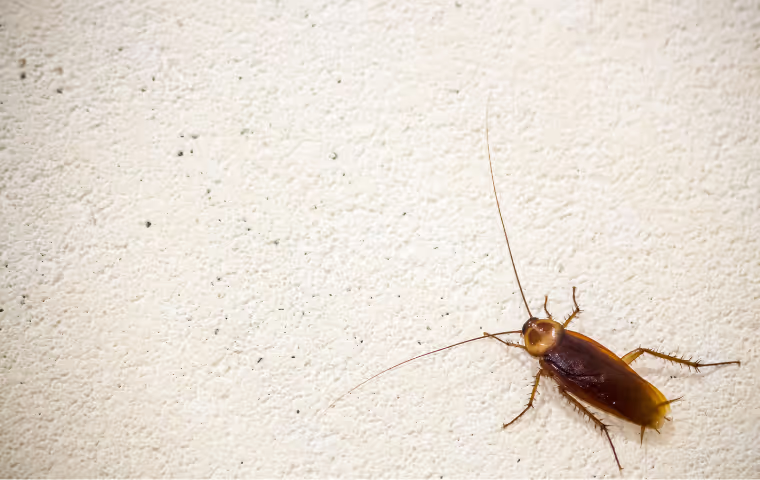
These large roaches thrive in humid coastal conditions and often live in crawlspaces, mulch beds, or shaded foundation areas before finding their way inside. Guests who spot one in a rental unit tend to remember it, and it is one of the fastest ways to earn a bad review.
Rodents
Mice and rats take advantage of a quiet, unoccupied home between bookings. They enter through gaps as small as a quarter inch, chew into insulation, and nest in attics, behind appliances, or inside storage closets where nobody looks until something smells off or a guest hears scratching in the walls.
Spiders
Spiders follow the insect activity. Once ants or roaches establish themselves in a vacant rental, spiders usually show up soon after in closets, garages, and covered porches.
Moisture Pests
Silverfish, springtails, and similar moisture loving pests thrive in homes with elevated humidity, which describes most properties within a few blocks of the water. Bathrooms, laundry rooms, and closets near exterior walls see these the most.
Guest Turnover Pest Checks
The gap between checkout and the next check in is the best window a host has to catch a problem before a guest does. A quick walk through during cleaning should include:
- Checking under kitchen sinks and behind the refrigerator for droppings or ant trails
- Looking behind and under beds, especially in ground floor units, for signs of rodent activity
- Inspecting deck and patio doors, since these get left open during beach trips and are a common entry point
- Checking laundry rooms and bathrooms for silverfish, particularly in units with older plumbing
- Emptying and rinsing trash cans, since spilled food and drink residue attract ants fast in summer heat
- Looking in AC closets and utility rooms, where warmth and moisture from the unit draw in roaches and rodents
Cleaning crews are usually focused on turnover speed, not pest inspection, so it helps to give them a short checklist or have a pest control technician handle a periodic walkthrough separately.
Protecting Bookings and Reviews
A single pest sighting can cost a host more than the price of treatment. Guests who see a roach or find ant trails in the kitchen often leave a review mentioning it specifically, and that review stays attached to the listing indefinitely. Some booking platforms also allow refund requests or partial credits when a guest reports a pest problem during their stay, which puts the cost of an infestation on the host twice, once for the treatment and again for the refunded nights.
Keeping a documented, recurring pest control schedule does more than prevent the problem. It gives a host or property manager a paper trail to show a booking platform or an insurance company that the property was under active pest management if a dispute ever comes up. That documentation matters more than most owners realize until they need it.
HOA and Condo Considerations
Many vacation rentals along the Grand Strand sit inside condo buildings or HOA managed communities, and pest pressure in these properties is not always something one owner can solve alone. Shared walls, common attics, and connected plumbing chases let ants, roaches, and rodents move between units, so a unit that looks clean can still pick up pests from a neighbor's unit or from unmaintained common areas. Before scheduling service, it is worth checking the HOA or condo association rules on who handles pest control in shared spaces versus individual units, and whether the association already has a contract in place for common area treatment. Owners in these buildings often need interior unit treatment on top of whatever the association provides for hallways, trash rooms, and exterior grounds.
Off Season Closures
Properties that close down for part of the winter face a different kind of risk. A home left completely unoccupied for weeks or months, with the HVAC set low and nobody walking through, is an open invitation for rodents and roaches to settle in undisturbed. Before closing a property for the season, seal obvious entry points, remove food from pantries and cabinets, and consider a pre closure treatment so the home starts the off season pest free rather than carrying a problem into spring. A check-in visit partway through the closure catches anything that slips past the initial prep, and a pre-opening service before the first spring booking gives guests a clean start.
DIY Steps That Help Between Services
These steps will not replace a recurring service, but they reduce pressure between visits:
- Seal entry points. Close gaps around windows, doors, and utility lines where ants, roaches, and rodents get in.
- Control moisture. Run dehumidifiers or keep HVAC settings consistent even when the property is empty.
- Store food properly. Sealed containers in the pantry keep crumbs and spills from drawing in pests between bookings.
- Trim vegetation. Keep shrubs, mulch beds, and branches pulled back from the exterior walls and roofline.
- Check screens. Torn window and door screens are an easy fix that keeps flying and crawling pests out of ocean facing rooms.
Why Recurring Service Works Better Than One Time Visits
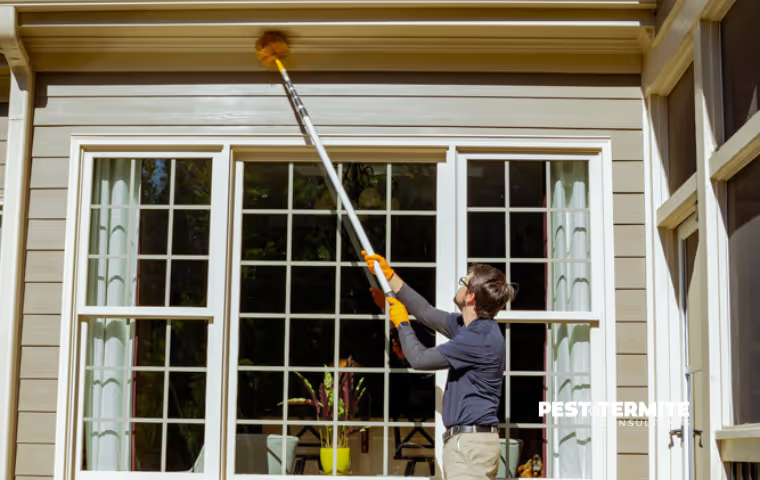
A vacant property loses its early warning system. Nobody is there to notice the first ant trail or the faint smell that signals a rodent problem, so by the time a guest or owner sees it, the issue has often had weeks to grow. A recurring pest control plan keeps a technician checking the exterior perimeter, common entry points, and moisture prone areas on a set schedule, catching problems before they reach the inside of the home or show up in a guest review.
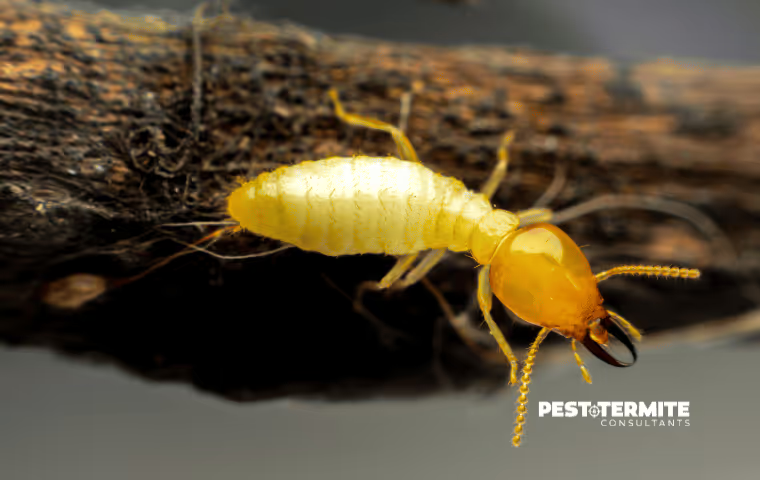
A year round plan for a Grand Strand rental typically includes exterior perimeter treatment, interior monitoring for ants, roaches, spiders, and rodents, moisture pest prevention in bathrooms and laundry areas, and seasonal adjustments as coastal weather shifts. For an added layer of protection, pairing general pest control with a termite inspection is worth considering, since termite activity in coastal South Carolina can go unnoticed in a property that only sees periodic use.
North Myrtle Beach Vacation Rental Pest Control FAQs
Why do vacation homes attract more pests than full time residences?
Homes that sit empty between bookings stay quiet, which lets pests move in and establish themselves without anyone noticing.
What pests are most common in North Myrtle Beach vacation homes?
Ants, American roaches, rodents, spiders, and moisture pests are the most frequent finds in coastal rental properties.
Can pests get in even when no food is left out?
Yes. Moisture, warmth, and shelter draw pests in even when a kitchen has been cleaned thoroughly between guests.
How often should a vacation rental get pest control service?
Recurring service on a monthly or bimonthly schedule works best because it protects the home during the gaps between bookings rather than only after a problem shows up.
Do coastal conditions really increase pest activity?
Yes. The combination of humidity, nearby marsh and waterway areas, and a long warm season keeps pest pressure higher here than inland.
Why do I see roaches or ants right when I arrive after time away?
Pests often settle in and stay hidden during quiet stretches, then become visible again once lights, water, and foot traffic return.
Does sealing entry points actually make a difference?
Yes. A large share of pest entries happen through small gaps around utility lines, door thresholds, and window frames that are easy to miss during a walkthrough.
Is DIY pest control enough for a rental property?
DIY steps reduce pressure but will not match the consistency a recurring professional service provides, especially for a property that sits empty for stretches at a time.
Can recurring service reduce emergency calls and last minute guest complaints?
Yes. Most urgent pest problems happen when regular service gets paused or skipped for a season, so keeping the schedule consistent prevents most of those calls.
Should a vacation rental also have termite protection?
Termite activity is common along the coast, and a periodic inspection paired with general pest control helps catch hidden risk before it becomes a structural problem.
Protect Your North Myrtle Beach Vacation Home Year Round
Whether a property sits empty for a week between bookings or closes down for the entire winter, pests can move in fast, and the cost of catching a problem late shows up in refunds, reviews, and repair bills. A recurring pest control plan built around guest turnover schedules, HOA requirements, and seasonal closures keeps the property ready for the next booking no matter how long it has been empty. Call (854) 588-7770 or schedule a visit to set up ongoing protection for your Grand Strand rental.