How Ant Colonies Move From North Myrtle Beach Yards Into the House
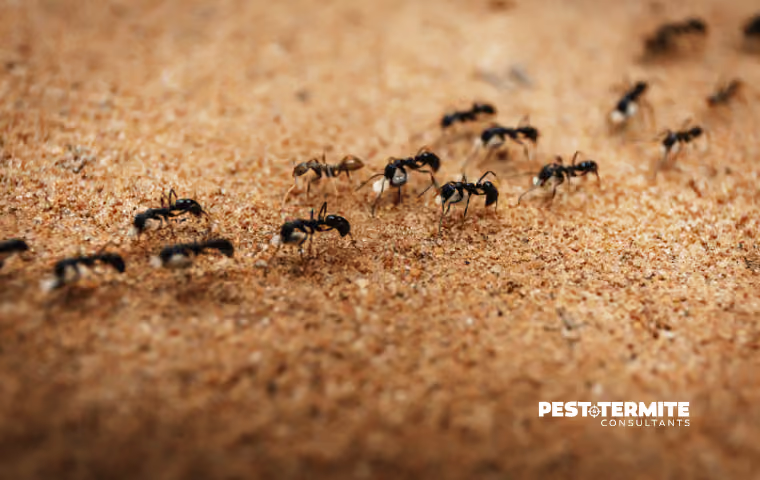
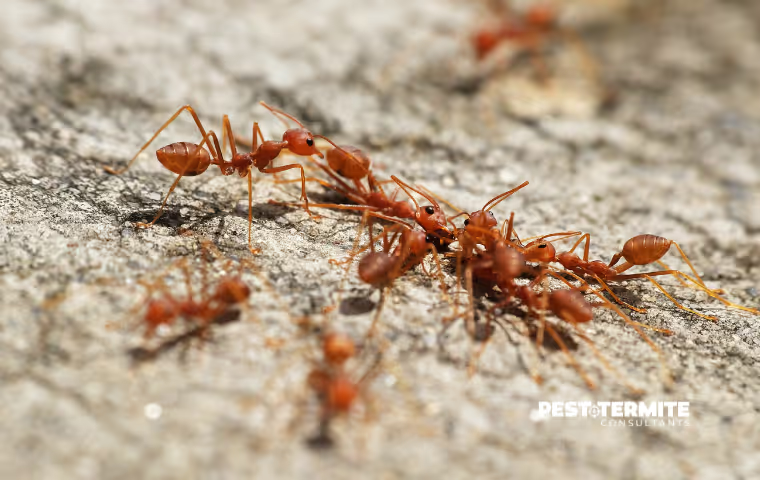
Plenty of ant infestations start outside long before anyone notices a trail indoors. In coastal areas like North Myrtle Beach, Calabash, and Ocean Drive, warm temperatures, moisture, and spring growth create ideal conditions for ant colonies to expand quickly.
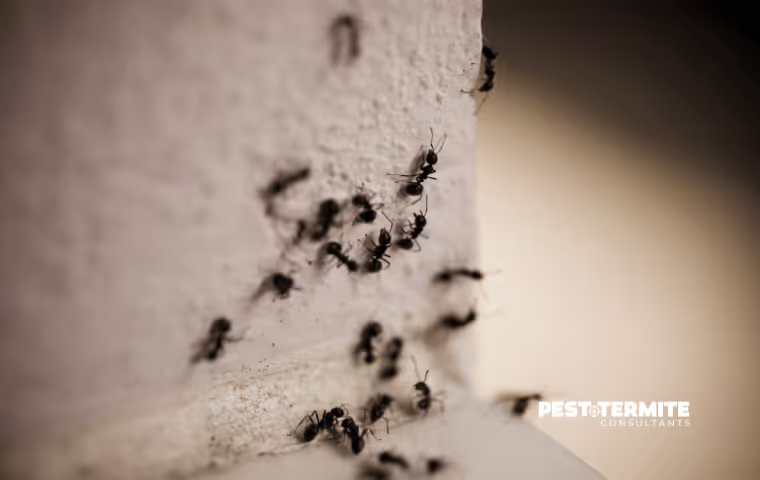
What begins as ant hills in the yard can turn into indoor trails across kitchens, bathrooms, and baseboards by summer. Understanding how ants move from an outdoor colony into the house helps homeowners catch infestations earlier.
Spring Is a Growth Period for Colonies
As temperatures rise, colonies become more active, worker ants start searching for food and water, nesting areas expand, and new satellite colonies may form. This activity typically starts outdoors in mulch beds, landscaping, soil, and crawlspaces. Because coastal areas stay warm and humid, colonies in North Myrtle Beach and the surrounding communities can grow substantially before summer even arrives.
From the Yard to the Kitchen Counter
Outdoor colonies don't stay isolated if food and moisture are nearby, and homes provide easy access to both. Ants are commonly drawn toward pet food and trash areas, kitchens and pantry spaces, moisture near foundations, condensation around HVAC systems, and plumbing or bathroom moisture. Once ants locate these resources, they start creating regular travel paths between the colony and the house.
Why Trails Seem to Show Up Overnight
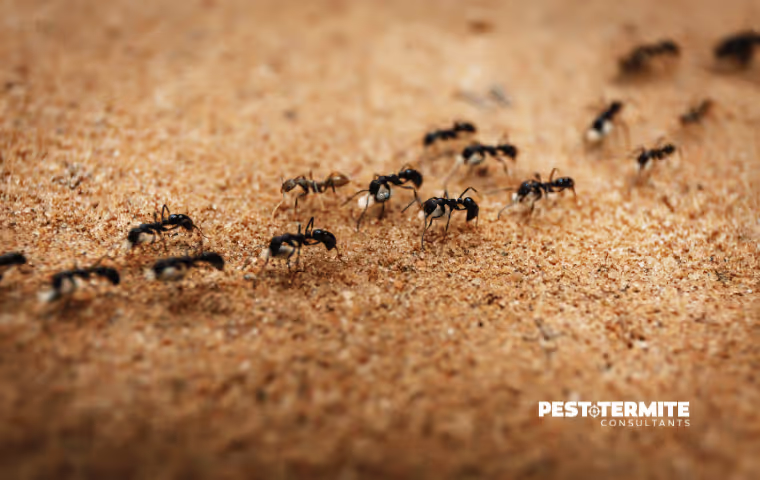
Indoor trails often feel sudden, but they're usually the result of weeks of growing outdoor activity. Here's how it typically plays out: outdoor colonies expand in spring, scout ants explore nearby structures, food or moisture gets discovered indoors, a scent trail forms, and more worker ants follow that same route inside. That's why trails seem to appear "overnight" in late spring and early summer.
Yard Conditions That Invite Trouble
Certain yard conditions make homes more vulnerable, including mulch piled against the foundation, overgrown vegetation touching the house, standing water or poor drainage, cracks in the foundation or siding, and tree limbs hanging near the roofline. These conditions create easy pathways for ants to move closer to the home.
Coastal Homes Deal With More Repeat Activity
Homes near the coast often see recurring ant issues because humidity supports colony growth, mild winters let colonies survive year round, frequent rain drives ants toward dry shelter, and crawlspaces provide moisture and nesting conditions. Without proper prevention, colonies can keep returning season after season, which is why so many homeowners end up researching how to get rid of ants after trails keep coming back.
If You Maintain a Rental or Second Home
Landscaping crews servicing vacation rentals along the coast sometimes pile mulch or let vegetation grow right up against the foundation between owner visits. Since ants use exactly those conditions to move closer to the house, it's worth asking your landscaper to keep mulch pulled back a few inches from the siding and vegetation trimmed away from exterior walls.
Getting Ahead of It Early
Stopping ants before they move indoors is much easier than eliminating an infestation that's already established. Professional ant prevention in North Myrtle Beach reduces outdoor ant populations, identifies entry points around the home, treats high-risk exterior areas, and monitors for early seasonal activity. That approach interrupts the path from an outdoor colony to an indoor infestation.
Why Professional Control Beats DIY Alone
Once trails become established indoors, the colony behind them is often already well developed. Professional ant control near North Myrtle Beach identifies the source colony, eliminates active trails, reduces conditions that attract ants, and helps prevent the problem from recurring. This proactive approach holds up far better over time than temporary DIY fixes.
Frequently Asked Questions About Ant Trails
Do indoor ant trails always start outside?
Most ant infestations begin with outdoor colonies searching for food and moisture sources.
Why do ants suddenly appear in kitchens?
Kitchens provide food, water, and reliable access points, making them a common target for scavenging ants.
Can mulch contribute to ant activity?
Yes. Mulch retains moisture and provides shelter near the home.
Do ants return to the same areas every year?
Yes. Established ant colonies often reuse successful foraging routes.
Why are coastal homes more prone to ants?
Coastal humidity and moisture support colony growth and survival.
Is prevention more effective than waiting for trails?
Yes. Early prevention helps stop ant colonies before indoor activity begins.
Can DIY ant treatments eliminate an ant colony?
DIY methods may reduce visible ants but often miss the source colony.
Stop Outdoor Ant Activity Before It Moves Indoors
In North Myrtle Beach, Calabash, and Ocean Drive, ant infestations often start outside before gradually spreading indoors as colonies expand in spring. By the time trails appear inside, outdoor populations are often already established and thriving.
Professional ant control in North Myrtle Beach and the surrounding areas helps stop colonies before they move inside, saving homeowners the hassle of a summer ant infestation. For help protecting your home from seasonal ant activity, call (854) 588-7770 to schedule a service in North Myrtle Beach.