How to Tell the Difference Between Termites and Flying Ants
Each spring, homeowners across North Myrtle Beach, Crescent Beach, and Ocean Drive start noticing winged insects around their windows, doors, and light fixtures. The question is almost always the same: are these termites or flying ants?
Since both insects show up during swarm season and look similar at a glance, they get confused for one another constantly. Knowing how to tell them apart matters. One is mostly a nuisance, while the other can signal serious structural risk.
Why Both Show Up at the Same Time
Both termites and ants produce winged reproductive insects in spring. These swarmers leave their colonies to mate and start new ones, and they're commonly seen after rain or increased humidity, near windows, doors, and light sources, and in groups rather than individually. Since their timing overlaps, it's easy to mix up which insect you're looking at.
Physical Differences Worth Knowing
Body Shape
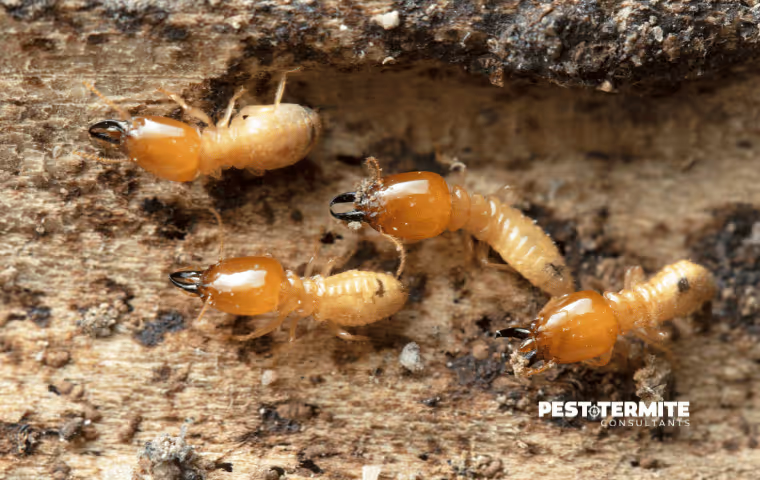
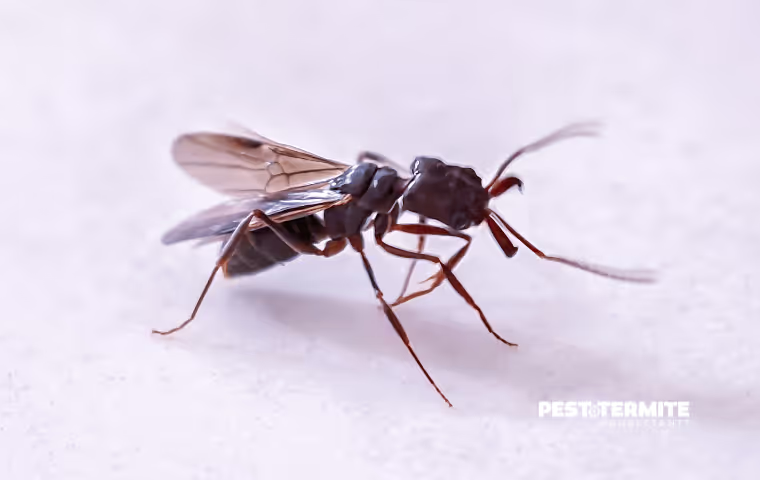
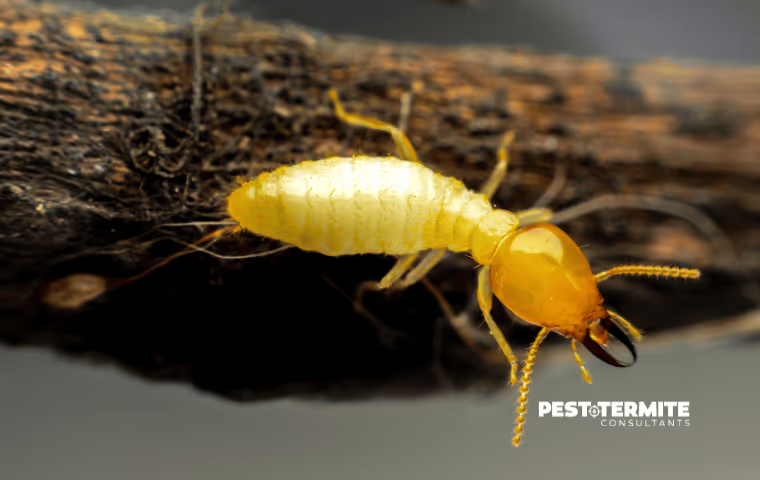
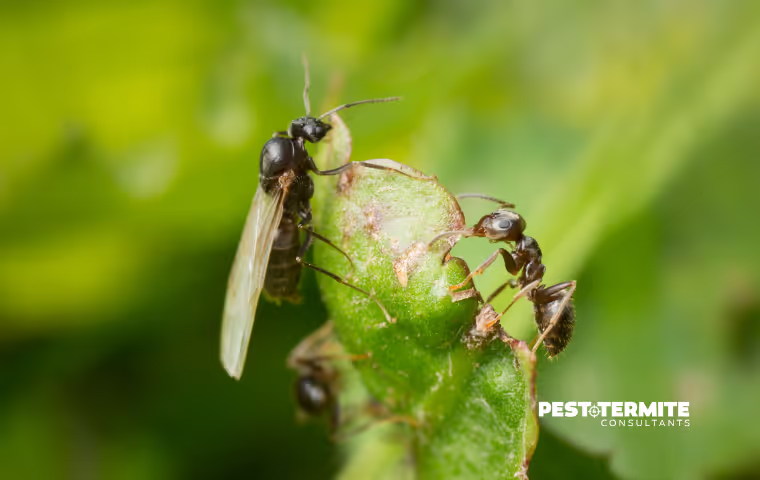
Termites have a straight, uniform body with no narrow waist. Flying ants have a pinched waist with a defined separation between body segments.
Wings
Termites have two pairs of wings that are equal in size and shape. Flying ants have two pairs of wings that differ in size, with larger front wings.
Antennae
Termite antennae are straight. Flying ant antennae are bent, or elbowed.
These differences are small but noticeable once you know to look for them.
What Each One Means for Your Home
Flying Ants
Flying ants are usually part of a nearby outdoor colony. Winged ants themselves are typically just a nuisance, though certain species like carpenter ants can damage homes, at a much slower rate than termites.
Termites
Termite swarmers are a warning sign of a mature colony. By the time they appear, termites may have already been feeding on wood in or around your home and causing costly structural damage.
That difference in threat level is exactly why correct identification matters.
Other Signs You May Be Dealing With Termites
Beyond swarmers, watch for mud tubes along foundations or crawlspaces, discarded wings near windows or doors, wood that sounds hollow, and doors or windows that suddenly stick. If these signs are present, it's important to act quickly.
Why Getting It Wrong Can Be Costly
Many homeowners assume the winged insects they're seeing are flying ants and ignore the issue. If termites are actually present, that delay lets the colony keep feeding and expanding. Swarmers aren't the beginning of a termite problem, they're a sign the colony is already established. Scheduling a termite inspection in North Myrtle Beach helps confirm what you're dealing with and identify any hidden activity.
What to Do If You See Swarmers
If you notice winged insects indoors, try to capture a sample for identification, look for discarded wings or mud tubes, note where the activity is occurring, and reach out for a professional inspection. Even if you're unsure what you're looking at, it's better to have the situation evaluated early.
How Termite Control Protects Your Home
If termites are confirmed, professional termite control in North Myrtle Beach focuses on eliminating the colony and preventing further damage. Effective treatment includes identifying the source of the activity, treating affected areas, creating protective barriers, and monitoring for future termite activity. This approach protects your home from termites year round.
Termite Swarmer and Flying Ant Identification FAQs
Do termites and flying ants appear at the same time?
Yes. Both are commonly seen during spring swarm season.
Are termites more harmful than flying ants?
Yes. Termites cause severe structural damage.
Can I tell the difference without professional help?
You can identify basic differences, but professional confirmation is recommended.
Do flying ants damage homes?
Most flying ants are a nuisance and do not cause structural damage.
What do termite wings look like?
They are equal in size and often found in small piles after swarming.
Should I be concerned about indoor swarmers?
Yes. Indoor sightings should be evaluated.
Do termites go away on their own?
No. Colonies remain active unless treated.
Know the Difference Before It Becomes a Problem
During swarm season in North Myrtle Beach, Crescent Beach, and Ocean Drive, it's common to see winged insects and assume they're harmless. Knowing how to tell termites and flying ants apart helps you take the right action.
If there's any doubt, scheduling a termite inspection and starting professional termite control services in North Myrtle Beach can help protect your home from hidden termite damage. For help identifying and addressing termite activity, call (854) 588-7770 to schedule an inspection today.