Is DIY Pest Control Worth It or a Waste of Time?
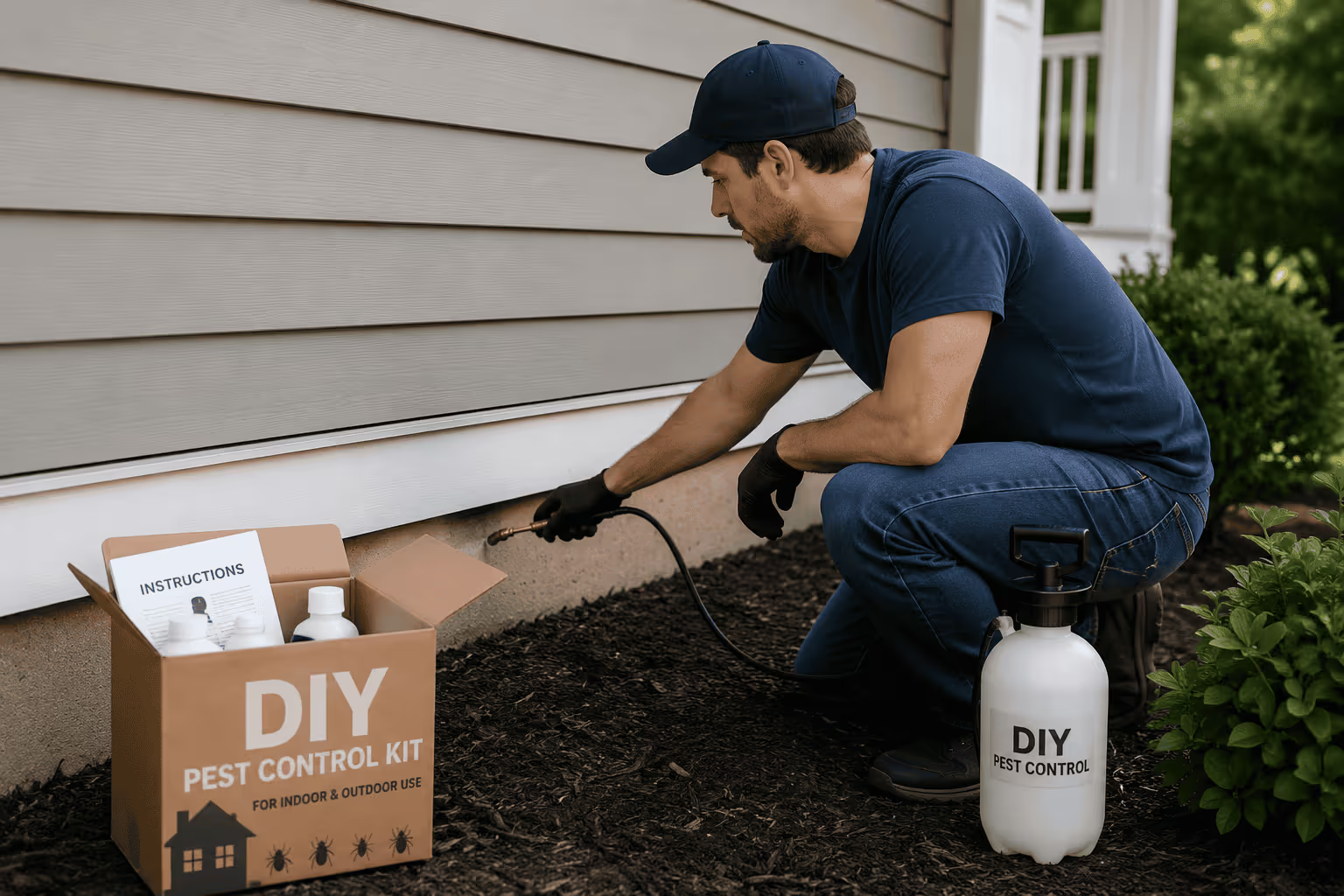
DIY pest control has become more popular, with subscription kits and online solutions promising fast, easy results. While these options may seem convenient, pest control is often more complex than it appears.
Understanding the limits of DIY pest control can help you avoid recurring problems and make better decisions for your home.
Why DIY Pest Control Seems Like a Good Option
DIY pest control appeals to homeowners for a few simple reasons. It feels more affordable upfront, easy to apply, and similar to what professionals use. Many kits are marketed as “professional-grade,” which can create the impression that the product is all that matters.
In reality, the product is only one part of the equation. How, where, and when it is applied plays a much larger role in long-term results.
Pest Control Is More Than Just Spraying
One of the biggest misconceptions is that pest control is simply spraying chemicals around your home and waiting for results.
Effective pest control requires a clear understanding of what you are dealing with. Different pests behave in different ways, nest in different areas, and require different treatment approaches. Without identifying the pest and its patterns, treatments often miss the source of the problem.
A complete approach typically includes:
- Identifying the pest species
- Locating nesting or breeding areas
- Targeting entry points and travel paths
- Adjusting treatment based on season and environment
Without this level of detail, it becomes easy to treat the symptom rather than the cause.
Where DIY Pest Control Often Falls Short
DIY pest control can reduce visible activity, but it often does not provide lasting results.
In many cases, treatments are applied to the areas where pests are seen, not where they are coming from. This allows colonies or populations to continue growing out of sight.
Placement is another common issue. Applying products in the wrong areas may have little impact, even if the product itself is effective.
There are also safety considerations. Without proper knowledge, it is easy to overapply products or use them in areas where they should not be used. This can create unnecessary exposure risks for people and pets.
Why Professional Pest Control Is More Effective
Professional pest control is built around strategy rather than guesswork.
A technician evaluates the entire property, not just the visible problem. This includes identifying entry points, moisture issues, and environmental conditions that attract pests.
From there, treatments are applied in targeted areas and adjusted over time. This ongoing approach helps reduce pest pressure and prevents repeat infestations rather than just reacting to them.
When DIY Pest Control Can Still Help
DIY methods can still play a role, especially when used as part of a broader prevention strategy.
They may be useful for minor or occasional issues, such as a few ants or general seasonal prevention. However, they are rarely enough for more persistent problems like roaches, rodents, termites, or recurring infestations.
Practical Steps You Can Take to Prevent Pests
Even without professional treatment, there are simple steps that can make a meaningful difference in reducing pest activity around your home.
Focus on the conditions that attract pests:
- Seal gaps around doors, windows, and foundations
- Repair damaged screens
- Keep grass trimmed and landscaping maintained
- Remove standing water around the property
- Store food in sealed containers
- Keep trash bins tightly closed
These steps help limit access to food, water, and shelter, which are the main drivers of pest activity.
Why Waiting Can Make the Problem Worse
A common pattern is trying DIY solutions first and waiting to seek help until the problem becomes more noticeable.
By that point, pest populations are often larger and more established. What could have been addressed early may require more involved treatment later.
Taking action sooner, whether through prevention or professional service, usually leads to better outcomes.
FAQs About DIY Pest Control
Is DIY pest control effective?
DIY methods can reduce visible pests, but they often do not eliminate the source of the problem.
Are DIY pest control products the same as professional products?
Some may be similar, but effectiveness depends on proper application and placement.
Why do pests keep coming back after DIY treatment?
Because the nesting areas or entry points were not fully addressed.
Can I handle pest control on my own?
For minor issues, yes. For ongoing or recurring problems, professional treatment is usually more reliable.
Is professional pest control worth it?
Professional pest control focuses on prevention and long-term results, which often reduces repeat issues over time.
A Smarter Approach to Pest Control
DIY pest control can be a helpful starting point, but it is not always a complete solution. Pests are often driven by hidden conditions that require a more targeted and consistent approach.
Combining preventative steps with professional pest control provides more reliable protection and helps keep problems from returning. Have questions or ready to turn it over to the pros? Contact us today.