Spring Ant Activity in Wilmington: What Homeowners Should Watch For
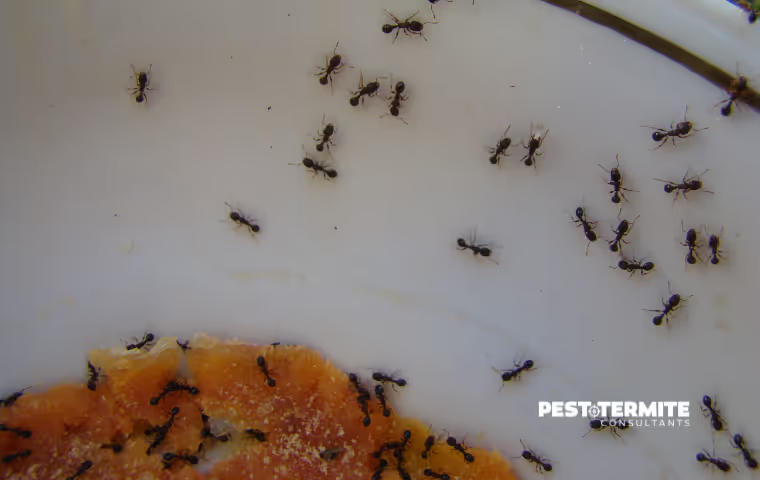
Spring is when many Wilmington homeowners first notice ant activity around their homes. You might see a few ants near the sink, a trail along a baseboard, or ant activity near doors or patios. Since ants are so common and seemingly harmless, it is easy to ignore these early warning signs.
In reality, spring ant activity is often the beginning of a much larger problem. Ants become active early in coastal areas like Wilmington, and once they establish trails indoors, they can be difficult to eliminate without professional ant treatments.
Knowing what to watch for helps you act early and avoid recurring ant infestations.
Why Ant Activity Starts Early in Wilmington
While ants can be a year round issue, Wilmington's coastal environment creates ideal conditions for ant activity to start ramping up as soon as winter ends. Mild temperatures, rising soil warmth, and increased moisture allow colonies near the Cape Fear River and throughout the area to resume activity quickly in the springtime.
Spring rain also plays a key role. As soil becomes saturated, ants relocate their nests and search for stable food and water sources. Our homes often provide both, which is why ants in Wilmington tend to show up earlier than homeowners expect.
Early Warning Signs of Ant Problems
Ant infestations rarely start with large numbers. Most begin quietly with subtle signs.
Common early indicators of ant problems include:
- Occasional ant sightings in kitchens or bathrooms
- Trails forming along baseboards or window sills
- Ants appearing near pet food or trash areas
- Increased ant activity near exterior doors or patios
- Ants entering from the same location repeatedly
Seeing these signs usually means an ant colony is already nearby, and if a few ants have found a way inside, others will follow.
Why One Ant Often Means Many More
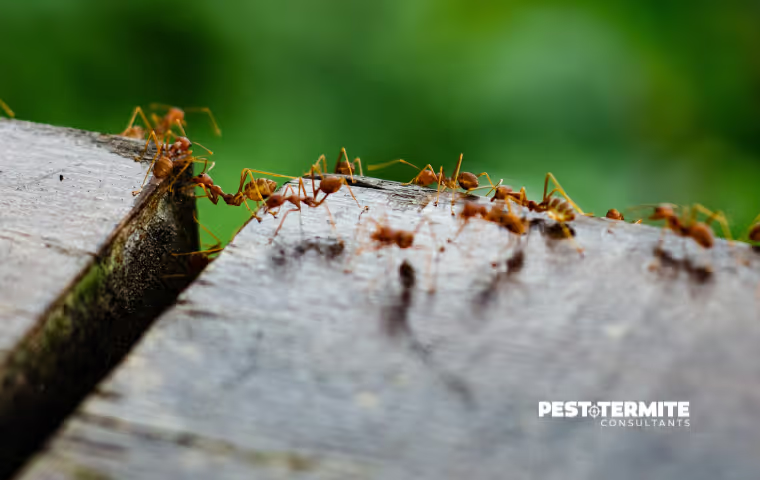
Ants are social insects that rely on large colonies. The ants you see inside are often worker ants sent out to find food or moisture. Once a reliable source is found, these scouts communicate with the colony and establish trails that other ants will follow indoors.
Many homeowners search for how to get rid of ants in Wilmington after spotting them indoors, but DIY methods often don't resolve the root cause. Without addressing the entire colony, ants will keep coming back.
Effective ant control in Wilmington focuses on stopping ant problems at the source rather than responding after they invade.
Common Places Ants Enter Wilmington Homes
Since ants are so small, they only need tiny openings to get inside. In homes throughout downtown Wilmington and the surrounding area, common entry points include:
- Small cracks around doors and windows
- Utility line penetrations
- Gaps in siding or foundations
- Crawlspace access areas
- Patio doors and thresholds
Coastal humidity and shifting soil cause these gaps to form over time, which makes ongoing monitoring worthwhile.
Why Spring Ant Problems Rarely Go Away on Their Own
Ant activity often seems to disappear temporarily, leading homeowners to believe the problem is solved. In most cases, the colony stays active nearby and returns once conditions become favorable again.
Ignoring early ant activity allows colonies to grow larger and establish stronger trails, making future infestations harder to control. This is why home pest control in Wilmington plays a key role in prevention rather than reaction.
DIY Steps to Reduce Spring Ant Activity
Homeowners can take steps to reduce ant pressure in the spring, including:
- Sealing small gaps around entry points
- Fixing moisture issues near sinks and crawlspaces
- Storing food in sealed containers
- Cleaning up crumbs and spills promptly
- Trimming vegetation away from the home
These steps help limit attractants and discourage ants from entering, but they do not replace professional treatment.
Why Professional Ant Control Matters in Spring
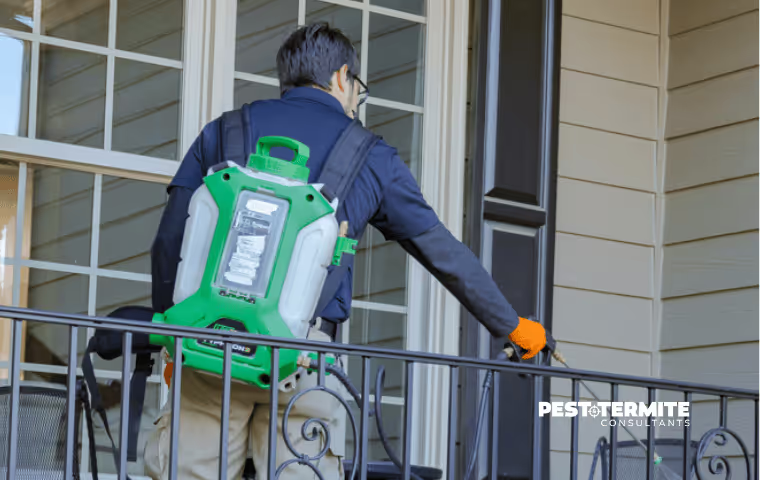
Spring is the best time to address ant activity before colonies expand. Professional ant control focuses on identifying nesting areas, reducing outdoor populations, and preventing ants from entering homes.
Homeowners who wait often end up dealing with recurring trails throughout the warmer months. Starting pest control services early provides longer lasting relief and requires fewer indoor treatments.
Wilmington Ant Control FAQs
When do ants become active in Wilmington?
Ants can be a year round problem, but they often become more active in early spring as soil temperatures rise and moisture levels increase.
Are ants more common after rain?
Yes. Rain displaces ants and pushes them toward shelter.
Can ants live inside walls?
Yes. Many ant species nest inside wall voids and crawlspaces.
Do clean homes still get ants?
Yes. Ants are attracted to any home that offers stable sources of food and moisture.
Will ants go away without treatment?
Established ant infestations rarely go away on their own.
Is DIY ant spray effective long term?
DIY sprays may reduce ant activity but do not address the root cause of the problem.
Why do ants keep coming back each spring?
When ants come back year after year, it usually means the infestation was never fully resolved.
Is spring the best time for ant control?
Yes. Early prevention efforts limit spring ant populations.
Can ants cause damage?
Yes. Some species, like carpenter ants, can damage wood or insulation.
When should I call for ant control?
At the first sign of an ant infestation.
Stop Spring Ant Problems Before They Spread
Spring ant activity is one of the earliest pest pressures that Wilmington homes face. When the first signs are ignored, they often return stronger and more persistent as the season continues.
Proactive ant control and consistent home pest control help stop infestations before they take hold. For help protecting your home from ants and other pests this spring, call (910) 707-3830 to schedule pest control services in Wilmington.