What Termite Activity Looks Like Before Swarm Season Fully Winds Down

Homeowners in North Myrtle Beach, Barefoot Landing, and Surfside Beach often assume termite risk fades once swarm season slows down. In reality, late spring is still an active period for termites, and in some cases, it's when hidden activity becomes easier to spot.
Swarming gets the most attention, but it's only one phase of the termite lifecycle. Knowing what happens before swarm season fully winds down can help you catch problems early and protect your home from termite damage.
Termites Keep Working After the Swarm
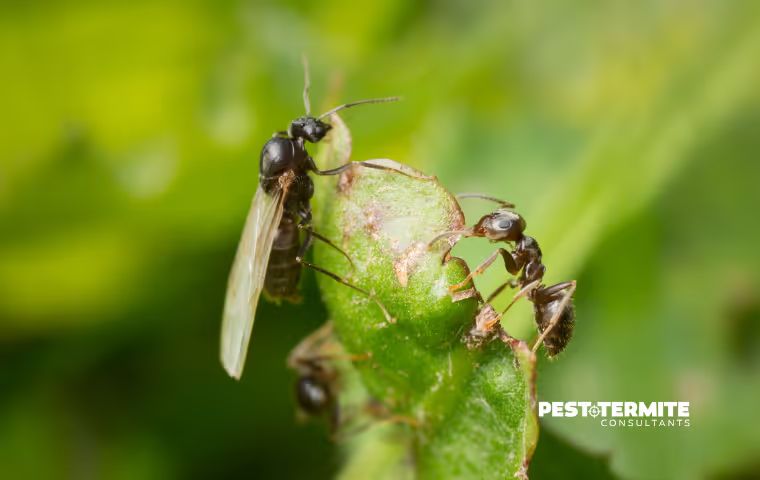
Termite swarms are a sign that a colony is mature and reproducing. Once swarmers leave to start new colonies, the original colony stays active and keeps feeding. At the same time, newly formed colonies begin establishing themselves in the soil, which means termite pressure can actually increase in late spring, even if you're no longer seeing flying termites.
What to Look for as Swarm Season Tapers Off
As swarm season winds down, termite activity often shifts from visible swarms to more subtle structural signs.
Mud Tubes Along Foundations
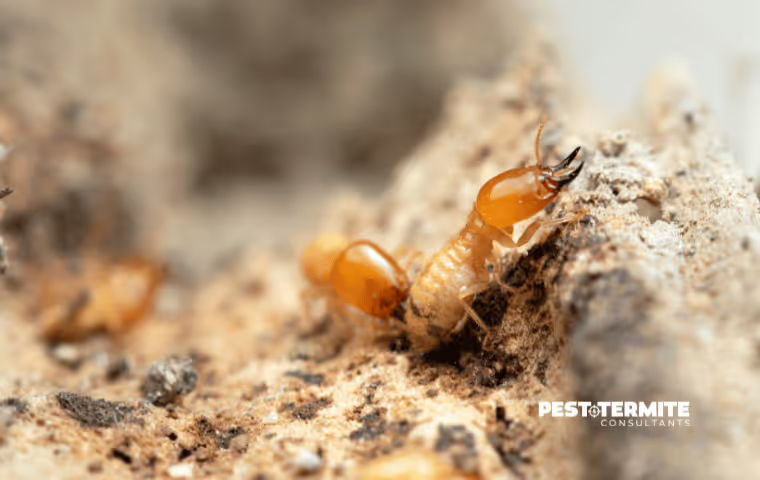
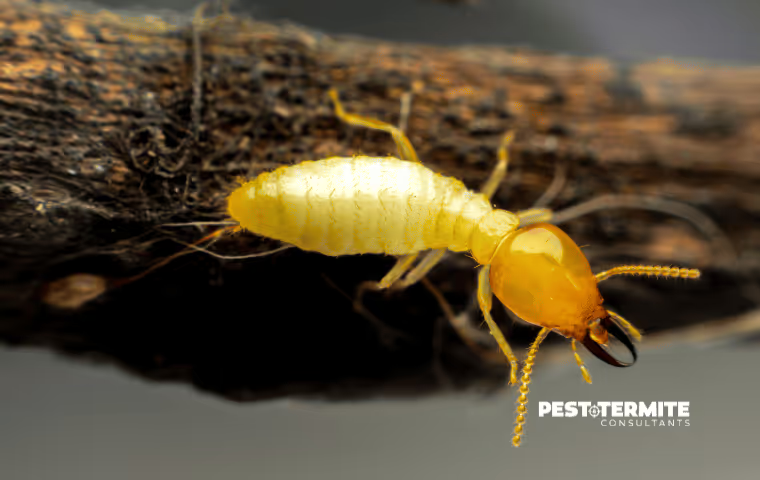
Subterranean termites rely on mud tubes to travel between soil and wood, and these tubes are often easier to spot in late spring as colonies expand their feeding areas. Check for pencil-sized tubes along foundation walls, crawlspace piers, and exterior siding and brick seams. These tubes may be active even if swarms are no longer visible.
Soft or Damaged Wood
Termites feed from the inside out, which makes damage difficult to catch early. By late spring, feeding activity may start to show through wood that sounds hollow when tapped, blistering or bubbling paint, or baseboards and trim that feel soft. These signs tend to show up near the lower portions of the home, where moisture is higher.
Discarded Wings Near Entry Points
Even after swarms pass, leftover wings can remain near windowsills, doors, or light fixtures. These wings signal that swarmers were recently inside or near your home. In areas like North Myrtle Beach, Surfside Beach, and Barefoot Landing, where swarms can be heavy, this is a common late spring indicator.
Increased Moisture and Hidden Activity
Late spring moisture creates ideal conditions for termites to stay active. Damp crawlspaces, poor drainage, and shaded areas around homes support ongoing feeding and expansion.
Why Coastal Homes Stay at Risk Longer
Homes in North Myrtle Beach and the surrounding coastal areas deal with conditions that extend termite activity beyond typical timelines: consistent humidity that keeps soil moist, mild temperatures that allow longer feeding periods, sandy soil that makes it easier for termites to move and expand, and frequent rain that supports new colony development. Waiting until summer to think about termite protection can leave a home vulnerable in the meantime.
Where to Check Around Your Property
Late spring is a good time to inspect the areas where termite activity is most likely to show up: foundation edges and crawlspaces, deck supports and porch steps, areas where wood sits close to soil, around utility entry points, and landscaping that holds moisture near your home. These areas often reveal early signs of termite activity before damage becomes more severe.
Good Timing for Rental and Second-Home Owners
For anyone who owns a vacation rental or second home along the Grand Strand, late spring is a smart time to schedule a termite inspection before the busy summer rental season fills the calendar. Catching activity now, rather than after guests are checking in every week, avoids scheduling headaches and gives active problems more time to be resolved before peak season.
Why Timing Matters for Prevention
Many homeowners wait until they see clear signs of termites before taking action. By late spring, colonies may already be well established, even without obvious warning signs. Scheduling a termite inspection in North Myrtle Beach, SC during this time allows professionals to identify both active infestations and conditions that increase termite risk. If activity is found, starting professional termite control early can stop colonies before they cause significant structural damage.
Termite Swarm Season FAQs in North Myrtle Beach
Do termites stop being active after swarm season?
No. Swarming is just one phase. Colonies remain active year round, and late spring is still a key time for feeding and expansion.
Are mud tubes always a sign of active termites?
Not always, but they often indicate current or recent activity. A professional inspection can confirm whether termites are still present.
Why am I seeing wings but no termites?
Discarded wings are left behind after swarms. This usually means termites were nearby or inside, even if you do not see them now.
Is late spring a good time for a termite inspection?
Yes. Late spring is ideal because colonies are active and signs are easier to detect before damage worsens.
Do coastal homes need more frequent termite checks?
In many cases, yes. Moisture and mild temperatures in areas like North Myrtle Beach increase the risk of ongoing termite activity.
Staying Ahead After Swarm Season
Even as swarm activity fades, termite risk doesn't disappear. Late spring is a transition period when new infestations begin developing after swarm season while existing colonies keep feeding.
Paying attention to subtle signs like mud tubes, soft wood, and discarded wings can help you catch problems early. Regular inspections and proactive treatments are key to stopping termite problems in coastal areas like North Myrtle Beach, Barefoot Landing, and Surfside Beach. If you want to make sure your home is protected before summer arrives, call (854) 588-7770 to schedule an inspection.