Why Ant Problems Get Worse in April Around Durham Homes
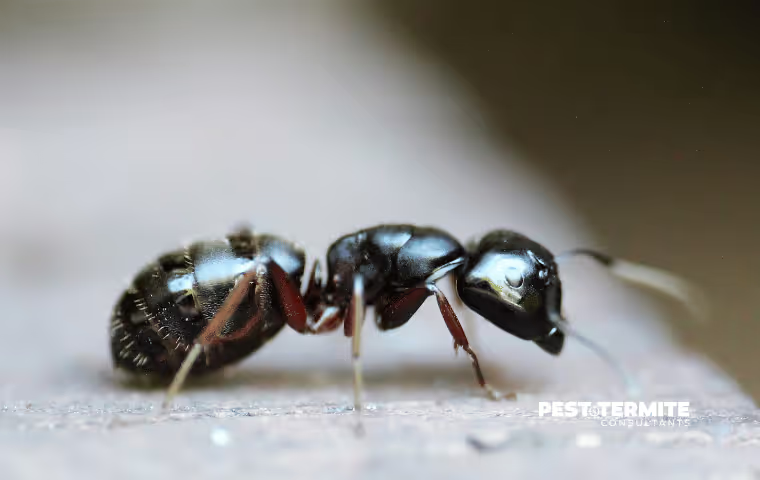
April is when many Durham homeowners start noticing a sudden increase in ant activity. What begins as just a few ants can quickly turn into steady trails across your countertops, baseboards, and bathroom surfaces.
The reason for this pattern is not random. Spring rain, rising temperatures, and increased moisture all play a role in accelerating ant activity and colony expansion.
Why April Triggers Increased Ant Activity
When temperatures start rising in April, ant colonies shift into a growth phase. Worker ants begin searching for food and water to support the expanding colony.
At the same time:
- Spring rain increases soil moisture
- Outdoor nesting areas become unstable
- Colonies expand more aggressively
- Foraging activity becomes more frequent
This combination leads to a noticeable increase in indoor ant activity in the spring.
How Spring Rain Drives Ants Indoors
Rain plays a major role in ant behavior. When soil becomes saturated, ants are often displaced from their outdoor nesting areas.
As a result, they move toward homes that provide a dry, stable environment and shelter from the rain. This is why many homeowners suddenly start noticing ants indoors after periods of rain.
Why Ant Trails Become More Noticeable
Ant trails form when a scout ant finds a reliable source of food or moisture. Once that happens, the scout leaves a scent trail for other ants to follow.
In April:
- Rain drives ants indoors
- Ant colonies send out more workers
- Increased moisture attracts ants to sinks and plumbing areas
- Trails become more established and consistent
This is why ant trails are commonly seen in kitchens and bathrooms in the spring.
Why Ant Problems Keep Coming Back
One of the most frustrating aspects of ant activity is how often it repeats. Even if you clean up any ants you see, the colony still remains active.
Without addressing the source:
- Trails return to the same locations
- Colonies continue to grow
- Multiple entry points may develop
- Activity increases as the season progresses
If you only start searching for how to get rid of ants after trails become consistent, the colony is likely already well established and will continue coming back without professional treatment.
Why Durham Homes Are at Higher Risk for Spring Ant Problems
Homes in Durham and the surrounding communities experience several conditions that support ant activity:
- Spring rain that displaces outdoor colonies
- Humidity that supports nesting
- Crawlspaces that retain moisture
- Landscaping that provides shelter
These factors allow ant populations to grow quickly and return repeatedly.
Why Starting Ant Control Early Matters
By addressing ant activity early, you can get ahead of the problem and stop colonies from growing out of control. Professional ant control in Durham focuses on identifying any nesting areas on your property, eliminating the entire colony, and preventing ants from coming back.
Proactive ant control treatments help:
- Reduce outdoor ant populations
- Identify entry points and conducive conditions
- Treat high-activity areas of your home
- Provide ongoing monitoring for seasonal changes
This approach helps stop repeat infestations before they become more severe.
Ant Prevention Steps Homeowners Can Take in April
To reduce ant activity during spring:
- Clean up food and crumbs promptly
- Seal gaps around doors, windows, and plumbing
- Fix leaks and reduce indoor moisture
- Store food in sealed containers
- Keep sinks and counters dry when possible
While following these steps can help make your home less attractive to invading ants, they likely will not eliminate existing infestations.
Spring Ant Control FAQs in Durham
Why do ants get worse in April?
Warmer temperatures and spring rain increase ant activity and colony expansion.
Do ants come inside because of rain?
Yes. Rain can displace ants and push them indoors.
Why are ants mostly in kitchens and bathrooms?
These areas provide food and moisture sources that attract ants.
Do ant problems go away on their own?
Rarely. Ant colonies will continue to grow without treatment.
Are Durham homes more prone to ant issues?
Yes. The moisture and seasonal conditions in Durham support ant activity.
Is DIY ant control effective long term?
DIY methods may reduce activity but rarely stop ant problems from returning.
When should I call for ant control?
At the first sign of recurring ant trails.
Stop April Ant Activity Before It Gets Worse
Ant problems in Durham homes often start small but grow quickly in April due to warmer spring temperatures, increased rain, and higher moisture levels. What begins as a small issue you may overlook or ignore can turn into a persistent infestation if not addressed early.
Proactive ant control helps stop ant colonies before they take over. For help addressing ant activity in your home, call (919) 870-8003 to schedule ant control services in Durham, Chapel Hill, Bahama, and Hillsborough.