Why Mosquito Activity Does Not Slow Down Yet in Wilmington

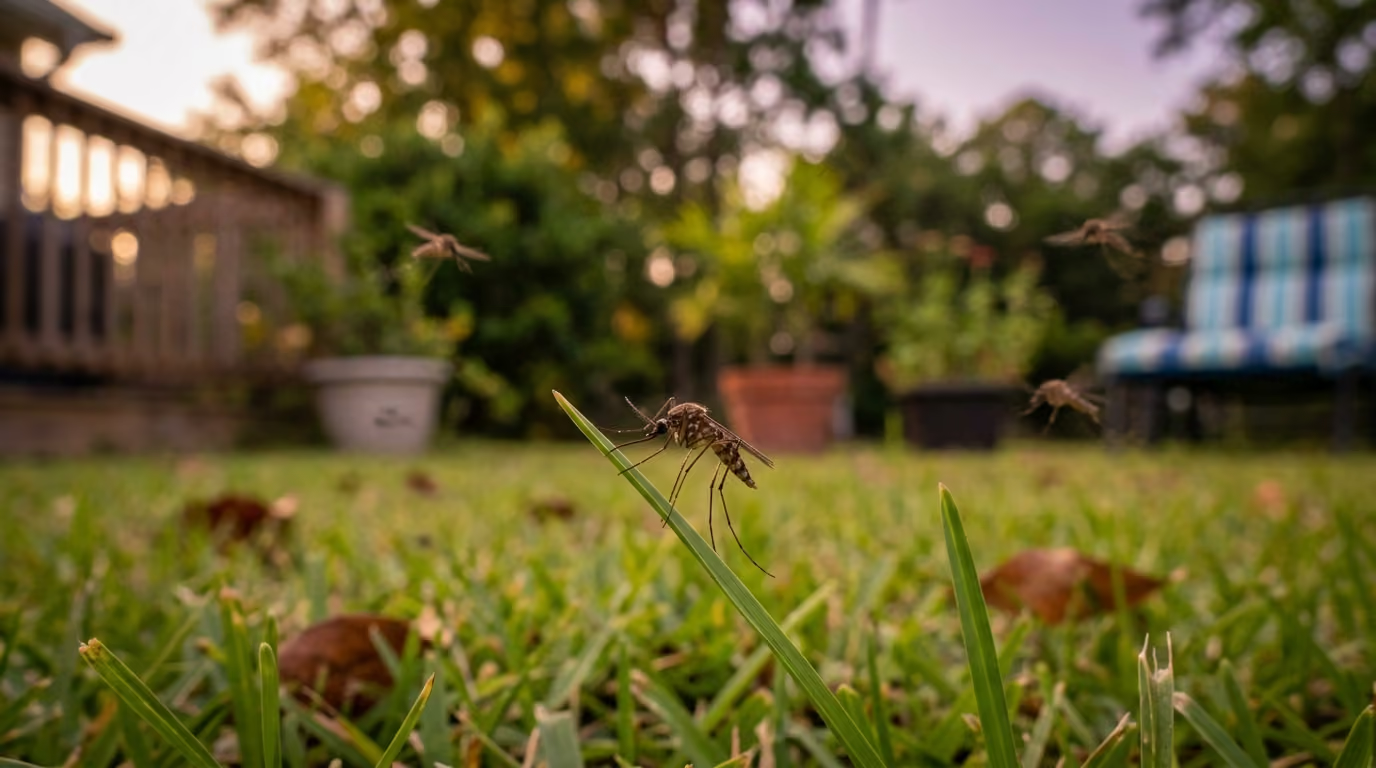
Mosquito season in Wilmington doesn't follow the calendar the way most people expect. August is still peak breeding season along the Cape Fear coast, and the conditions that drive mosquito populations through the roof in June and July haven't gone anywhere. Humidity stays high, standing water is easy to find after afternoon storms, and nighttime temperatures stay warm enough for eggs to hatch and adults to stay active. If you've been keeping up with treatments throughout the summer, now is not the time to stop.
Why Late August Is Still Peak Mosquito Season in Wilmington
Mosquitoes don't need a heat index over 100 to breed. They need standing water, warmth, and humidity, and Wilmington has all three in abundance during late summer. The Cape Fear River basin, the drainage ditches common to older neighborhoods, and even the shallow puddles left behind by pop-up thunderstorms all serve as breeding sites. A female mosquito can lay up to a few hundred eggs at a time in just a bottle cap's worth of water, and in warm coastal conditions, those eggs can develop into biting adults in under a week.
Temperatures along the North Carolina coast tend to stay well above the threshold mosquitoes need to remain active well into September and often October. The idea that mosquito activity starts dropping off in late August is something homeowners carry over from inland areas where overnight lows cool down faster. The same is not true for Wilmington, Hampstead, Carolina Beach, and the surrounding communities.
What Happens When Treatments Stop Too Early
Mosquito control works through consistent pressure on the population. Most professional treatments target adult mosquitoes at rest and interrupt the breeding cycle around your property. When that cycle of treatments stops, the population isn't gone. It's just been suppressed. Give it two or three weeks without treatment, and the numbers will rebuild, especially during a stretch of late-summer rain.
August and September are when many homeowners start thinking pest season is winding down. This mindset often results in stopping treatment too early. While attention drops, mosquito populations around untreated properties stay steady or climb, and by the time someone notices the yard is unbearable again, the window to get ahead of the problem has already closed. Staying consistent with your late-summer mosquito control in Wilmington is what keeps that rebound from happening.
The Standing Water Problem Around Coastal Properties
Wilmington gets regular afternoon thunderstorms through August, and each one resets potential breeding sites across your yard. Gutters that don't drain properly, tarps that collect water, birdbaths that haven't been refreshed, and even children's toys left outside can all contribute.
Professional treatments address the adult mosquito population around your home and help break the cycle at the larval stage in treatable standing water, but living along the coast means there's always a fresh water source nearby. That's exactly why stopping mosquito control prematurely tends to produce fast results in the wrong direction.
Coastal NC Mosquito Control & Prevention FAQs
When does mosquito season actually end in Wilmington?
Most years, populations stay noticeably active through September and can linger into October depending on how quickly temperatures drop. Wilmington's coastal climate means the cooling trend happens later than it does inland, so August is not the end of mosquito season.
Is there any benefit to skipping a treatment in late summer?
Not really. Skipping one treatment gives the local population three to four weeks to rebound, and in warm, humid conditions, that's enough time for populations to get back to midsummer levels. Consistent scheduling is what makes the difference.
Can I handle late-summer mosquito control myself with store-bought products?
Consumer foggers and sprays can knock down adults you see in the moment, but they don't address larval habitats, and coverage tends to be uneven. By the time you're treating reactively, you're already behind. Professional treatments are timed and targeted to interrupt the breeding cycle before the biting begins.
Do mosquitoes breed in my yard, or are they coming from somewhere nearby?
Both. Adult mosquitoes can travel a fair distance from their breeding site, but they are likely breeding on your property too. Reducing breeding habitats on your property and maintaining a treated barrier addresses what you can control and limits how many mosquitoes can rest and feed near your home.
How often should mosquito treatments be scheduled through late summer?
Most properties benefit from recurring treatments on a roughly three to four week cycle through the active season. Your technician can advise on frequency based on your property's specific conditions, lot size, and proximity to standing water sources.
Keep the Pressure On Through the Rest of the Season
The temptation to wind down mosquito control in late summer is understandable, but in Wilmington, the conditions that drive the season don't change much before fall actually arrives.
Staying on schedule now is what makes September and October tolerable instead of frustrating. If you're ready to get your late-summer treatments scheduled, reach out to Pest & Termite Consultants, and we'll get you set up before the next round of storms rolls through.