Why Mosquito Problems in Durham Start in June, Not July
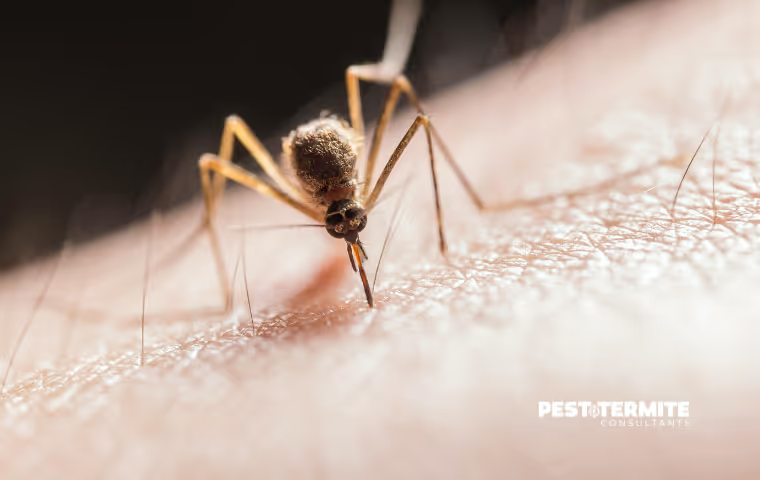
Many homeowners think mosquito season does not become a serious problem until July. However, by the time mosquitoes are disrupting cookouts, outdoor activities, and evenings in the yard, populations have often been building for weeks.
In Durham, Chapel Hill, Hillsborough, and throughout the Research Triangle Park area, June is when mosquito activity begins accelerating. Warm temperatures, regular rainfall, and growing vegetation create ideal breeding conditions that allow mosquito populations to expand rapidly before the hottest part of summer arrives.
Understanding why mosquito problems worsen in June helps homeowners take action before peak mosquito pressure develops.
Why June Creates Ideal Mosquito Conditions
Mosquitoes need warmth and water to reproduce. By June, both are readily available throughout the Durham area.
Early summer conditions often include:
- Consistently warm temperatures
- Frequent thunderstorms
- Increased humidity
- Faster mosquito development cycles
These factors allow mosquito populations to grow quickly before July even begins.
How Mosquito Populations Build Before Homeowners Notice
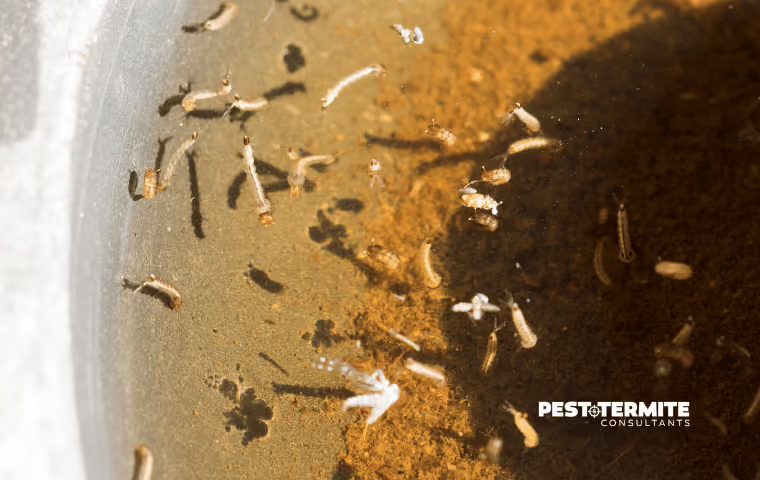
One reason mosquito problems seem to appear suddenly is that breeding activity starts long before biting activity becomes obvious.
Mosquitoes can:
- Lay eggs in small amounts of standing water
- Complete multiple breeding cycles in a short period
- Produce large populations from a single breeding site
By the time homeowners notice increased mosquito activity, populations are often already established.
Early Summer Mosquito Breeding Sites Around Durham Homes
Many mosquito breeding areas are easy to overlook. Common locations include:
- Clogged gutters
- Bird baths
- Children's toys left outside
- Flower pot trays
- Low spots in the yard
- Tarps and outdoor equipment that collect water
Even a small amount of standing water can support mosquito development.
Why Yard Conditions Matter So Much
Mosquitoes need more than water to thrive. They also require sheltered areas where they can rest during the day.
Common mosquito hiding areas include:
- Dense shrubs and landscaping
- Overgrown vegetation
- Wooded property edges
- Damp shaded areas
- Tall grass around the yard
When breeding sites and shelter are both present, mosquito populations can grow rapidly.
Why Waiting Until July Makes Control More Difficult
Many homeowners wait until mosquito bites become a daily frustration before seeking treatment. However, by July:
- Multiple mosquito generations may already exist
- Breeding sites have been active for weeks
- Adult mosquito populations are much larger
- Outdoor living spaces are already affected
This is why professional mosquito control in Durham is most effective when started before mosquito pressure reaches its peak.
How Early Mosquito Control Helps
Preventative mosquito control focuses on reducing populations before they become overwhelming.
This approach helps:
- Identify high-risk breeding areas
- Reduce mosquito populations early
- Target mosquito resting sites
- Provide season-long protection
Starting treatment early in the season often leads to better overall results.
Simple Steps Homeowners Can Take in June
Homeowners can reduce mosquito pressure by:
- Emptying standing water weekly
- Cleaning gutters regularly
- Trimming overgrown vegetation
- Improving drainage around the yard
- Refreshing bird baths frequently
- Removing containers that collect rainwater
These prevention steps help limit mosquito breeding opportunities around the home.
Why Ongoing Mosquito Protection Matters
Mosquito activity changes throughout the summer based on weather conditions and rainfall patterns.
Consistent mosquito control for Durham homes helps:
- Manage recurring breeding cycles
- Reduce mosquito populations after storms
- Maintain protection throughout the season
- Improve comfort in outdoor spaces
Ongoing treatments help homeowners stay ahead of changing mosquito pressure.
FAQs About June Mosquito Control in Durham
Do mosquito problems really start in June?
Yes. June is often when mosquito populations begin expanding rapidly.
Why do mosquitoes seem to appear suddenly?
Populations build for weeks behind the scenes before mosquito activity surges.
How much water do mosquitoes need to breed?
Mosquitoes only need a very small amount of standing water to reproduce.
Can mosquitoes breed in gutters?
Yes. Clogged gutters are a common mosquito breeding site.
Why are mosquitoes worse after rain?
Rain creates new breeding areas and supports egg development.
Is June the best time to start mosquito control?
Starting treatment in June or earlier helps prevent populations from peaking later.
Can mosquito activity continue all summer?
Yes. Mosquitoes remain active as long as conditions are favorable.
Get Ahead of Mosquito Season Before Peak Summer Arrives
Homeowners in Durham, Chapel Hill, Hillsborough, and the Research Triangle Park often begin facing mosquito problems in June, not July. By the time mosquito activity becomes a daily nuisance, populations may already be well established and thriving.
Proactive mosquito control near Durham helps address breeding sites and manage mosquito populations before the worst of summer mosquito season arrives.
For help protecting your yard from mosquitoes this season, call (919) 870-8003 to schedule a mosquito service in Durham or the surrounding communities.