Why Wilmington Homes See More Pest Activity After Heavy Rain
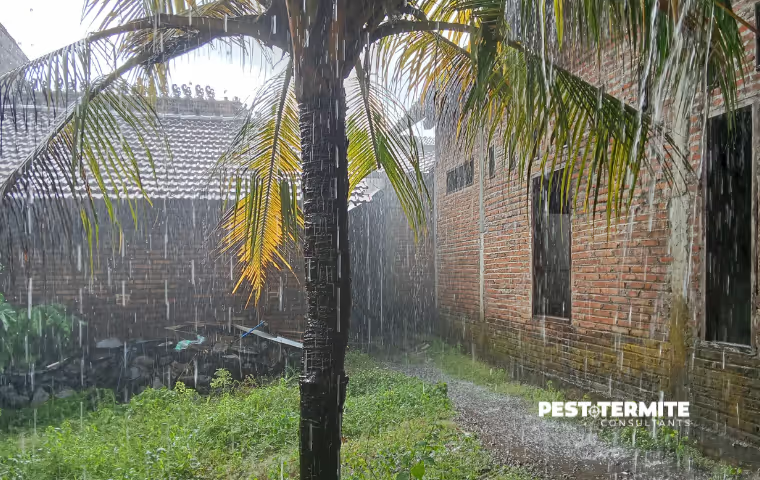
After a heavy rain, many Wilmington homeowners suddenly notice ants, roaches, spiders, or rodents indoors. This is not a coincidence. Coastal rainstorms change pest behavior and push insects and wildlife toward shelter, whether the home sits near Monkey Junction or farther out toward Hampstead.
Understanding why pests appear after rain helps you prevent repeat problems and avoid a costly infestation down the road. Call (910) 707-3830 if you are seeing increased activity after storms.
How Heavy Rain Forces Pests Indoors in Wilmington
Rain floods soil, mulch beds, and outdoor nesting areas. When pests lose their shelter, they move toward higher, drier ground, and a house is often the closest option available.
In Wilmington, this often means:
- Crawlspaces filling with moisture
- Saturated landscaping near foundations
- Storm drains backing up
- Standing water pooling around the home
Pests follow these moisture changes and enter through small gaps that homeowners rarely notice until activity shows up indoors.
Common Pests That Appear After Storms
Ants Displaced From Saturated Soil
Ant colonies relocate quickly when their nests flood. You may see sudden trails in kitchens or bathrooms within hours of a hard rain.
American Roaches Seeking Dry Shelter
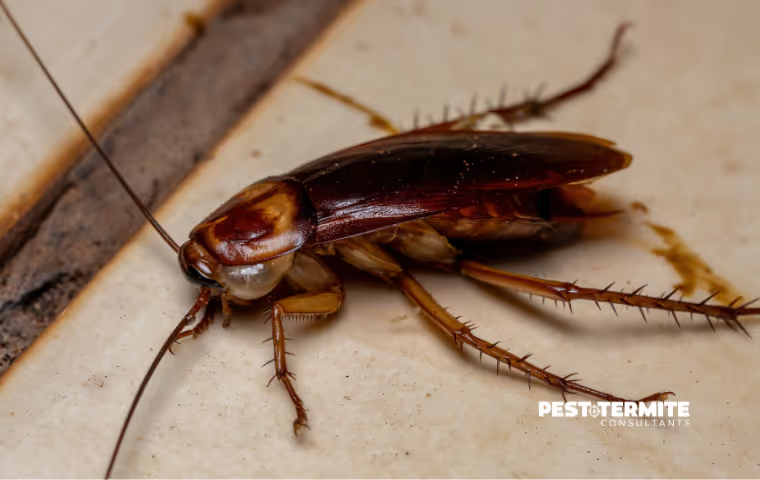
Often called palmetto bugs, these roaches thrive outdoors but move into homes when heavy rain disrupts their usual hiding places under mulch or debris.
Rodents Escaping Flooded Burrows
Rats and mice move away from flooded ground and into garages, crawlspaces, and attics, where they can chew through insulation and wiring while looking for a stable nesting spot.
Spiders Following Increased Insect Activity
As insects move indoors, spiders follow their food source, which often means more webs appearing in corners, garages, and window frames after a storm.
Why Coastal Rain Makes Wilmington Homes More Vulnerable
Wilmington's environment creates added risk during and after storms:
- Frequent, heavy rainfall
- High humidity that lingers after each system passes
- Damp crawlspaces that rarely fully dry out
- Sandy soil that shifts and erodes easily
- Older foundations with small cracks that widen over time
These conditions make post storm pest pressure stronger here than in most inland areas.
How to Reduce Pest Activity After Rain
You can lower your risk by:
- Sealing gaps around doors and utility lines
- Keeping gutters clear so water drains away properly
- Directing downspouts away from the foundation
- Reducing mulch depth near siding
- Monitoring crawlspace moisture after heavy weather
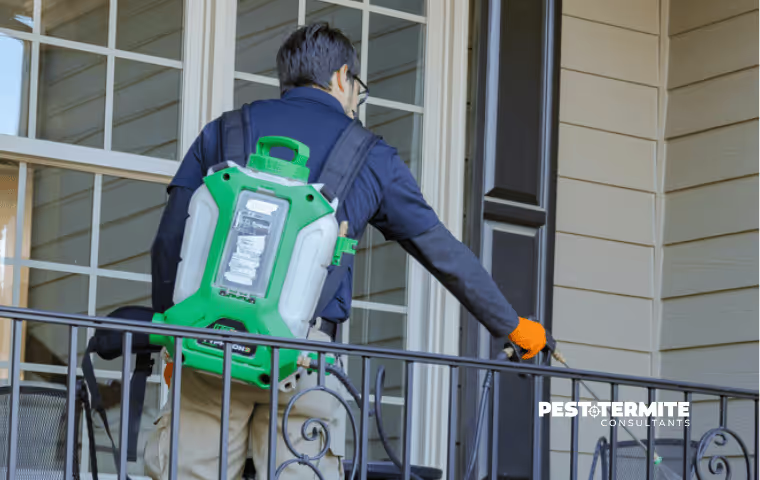
Professional pest control strengthens this protection when storms hit repeatedly throughout the year.
FAQs on How Rain Impacts Pest Activity
Why do bugs suddenly appear after rain?
Rain displaces pests from outdoor nesting areas and pushes them toward drier shelter.
Are storms causing infestations?
Storms tend to expose existing pest pressure rather than create new pests.
Do roaches live indoors after rain?
They usually live outdoors but enter homes temporarily when conditions push them inside.
Does rain increase termite risk?
Yes. Moist soil supports termite activity and feeding.
Is recurring service helpful during rainy seasons?
Yes. It prevents repeated indoor migration after each storm.
Protect Your Wilmington Home After Every Storm
Heavy rain is part of coastal living. Ongoing pest control helps stop indoor migration before it starts. Call (910) 707-3830 to schedule pest control service in Wilmington.