Why Wood-to-Soil Contact Around Coastal Wilmington Homes Raises Termite Risk
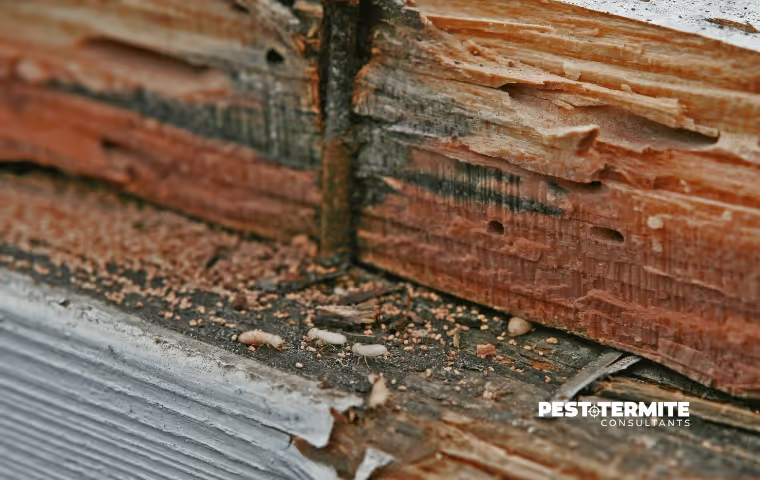
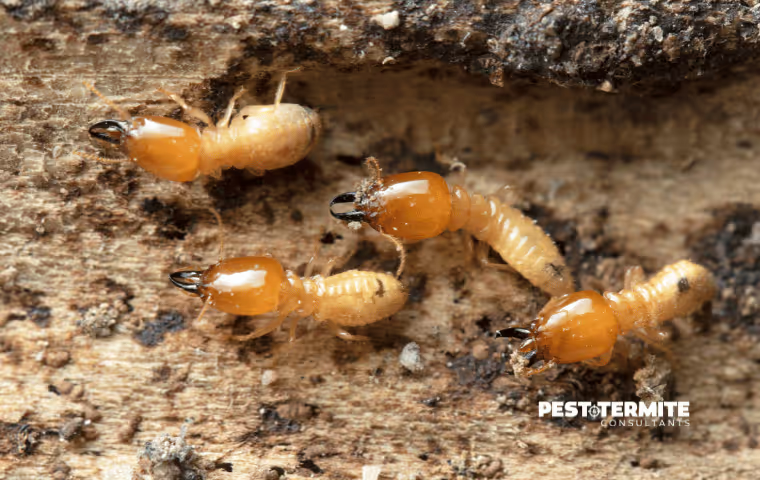
Coastal homes face conditions that make termite activity more likely than almost anywhere else in the state. Moisture, sandy soil, and mild temperatures create an environment where subterranean termites can stay active for most of the year. One of the most common and overlooked risk factors is wood-to-soil contact.
When wood touches the ground, it gives termites a direct path into your home. Understanding where this happens and how to correct it can help you reduce your risk of termite damage before peak season arrives.
Why Wood-to-Soil Contact Is a Problem
Subterranean termites live in the soil and need constant moisture to survive. They typically build mud tubes to travel between the ground and wood structures, which protect them from dry air and predators.
When wood is already touching soil, termites do not need to build these visible tubes. This lets them enter and feed on your home without being easily detected.
In coastal areas like Wilmington, Porters Neck, and Castle Hayne, where humidity stays high and rain is frequent, these conditions make it even easier for termites to thrive unnoticed.
Common Areas Where Wood-to-Soil Contact Happens
Many homeowners are surprised to learn how often wood-to-soil contact occurs around their property. Here are some of the most common trouble spots to check.
Deck Posts and Steps
Wooden deck supports or stair stringers that sit directly in the soil are a major risk point. Over time, moisture softens the wood and makes it easier for termites to invade.
Siding That Extends Too Low
If siding or trim boards extend down to or below ground level, termites can enter behind the surface without detection. This is especially common in older coastal homes.
Fence Lines Attached to the Home
Wood fences that connect directly to your home can act as a bridge for termites. If those fence posts are in the ground, termites can travel from the soil straight into your structure.
Mulch and Landscaping Beds
Thick mulch placed against the foundation holds moisture and can cover areas where wood touches soil. Mulch itself is not the problem, but excessive buildup creates ideal conditions for termites.
Wooden Lattice and Skirting
Decorative skirting around crawl spaces or porches often sits directly on the ground. These areas are rarely inspected but can become termite entry points.
How to Spot Early Warning Signs
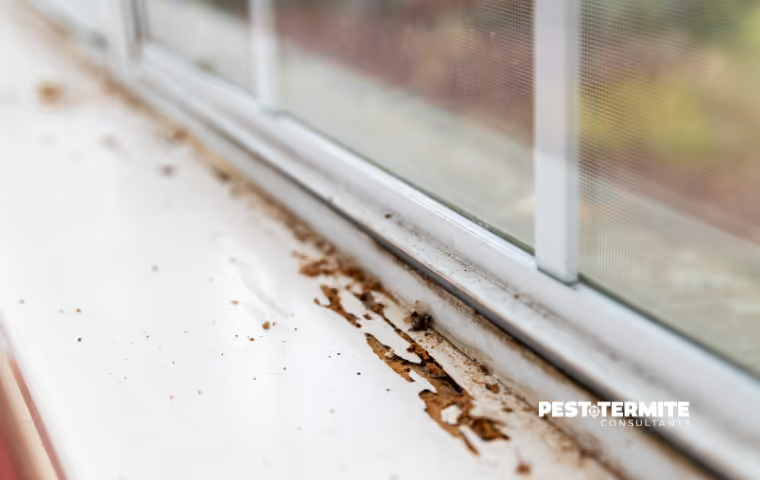
Catching termite activity early can prevent costly structural damage. Wood-to-soil contact reduces the visible signs termites usually leave behind, but there are still things to watch for.
- Soft or damaged wood near the ground
- Bubbling or uneven paint on lower siding
- Mud tubes on foundation walls or piers
- Increased moisture or dampness around the base of your home
Even if you do not see active termites, these conditions signal a higher risk.
Steps to Reduce Termite Risk
Addressing wood-to-soil contact does not always require major renovations. Small adjustments can make a big difference.
Create Separation
Keep at least 6 to 8 inches of space between soil and any wood components, including siding, trim, and lattice.
Adjust Landscaping
Pull mulch and soil away from your foundation. Use gravel or other materials near the base of your home to reduce moisture retention.
Upgrade Structural Supports
Replace wooden posts that sit in soil with concrete bases or metal supports, especially for decks and porches.
Inspect Regularly
Homes in coastal regions benefit from annual termite inspections that catch risk factors early and allow for targeted solutions.
For homeowners looking to stay ahead of these issues, professional termite prevention in Wilmington can help identify hidden vulnerabilities before termites become active.
Why Coastal Homes Need Extra Attention
The climate in Wilmington and the surrounding areas keeps soil conditions favorable for termites longer than in inland regions. Homes in coastal communities often have higher moisture levels due to their proximity to water and dense vegetation.
Because of this, small structural issues can turn into larger problems faster. Routine inspections and proactive maintenance are key to staying ahead of termite activity.
If termite activity is already a concern, effective termite control in Wilmington can stop colonies and protect your home from further damage. For long-term protection, many homeowners invest in ongoing termite control services to monitor and prevent future infestations.
Take Action Before Peak Season
Termite swarms typically get attention in the spring, but the conditions that lead to infestations develop long before that. Addressing wood-to-soil contact now gives you a clear advantage.
A careful inspection around your home's foundation, decks, and landscaping can reveal simple fixes that reduce risk. If you are unsure what to look for, a professional evaluation can provide clarity and peace of mind.
For help identifying and correcting termite risks around your home, call Pest & Termite Consultants at (910) 707-3830 for a professional termite inspection in Wilmington.