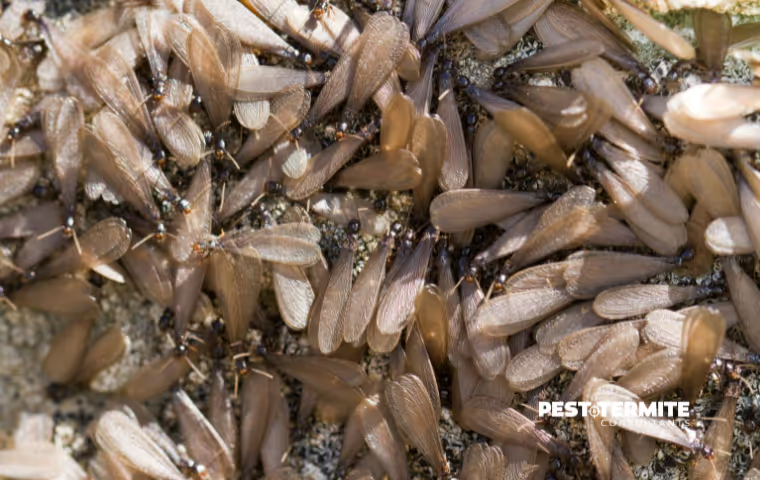
What Termite Swarmers Really Mean for Homes in Raleigh and Cary
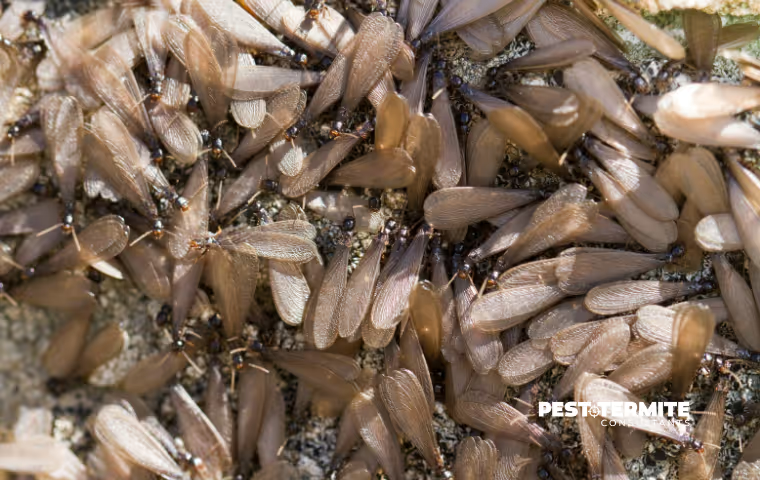
Seeing termite swarmers in or around your home can be alarming. In Raleigh, Cary, and the surrounding communities, these winged insects often appear suddenly in the spring, usually near windows, doors, or light sources.
Many homeowners assume swarmers are the start of a termite problem. In reality, they are a sign that the problem has already been developing for some time. Understanding what seeing termite swarmers really means can help you take the right action before damage becomes more serious.
What Termite Swarmers Actually Are
Termite swarmers are reproductive members of a termite colony. Their role is to leave an established colony, mate, and start new colonies nearby.
They typically appear:
- As temperatures rise in the spring
- After rain or increased humidity
- Near light sources inside or outside homes
While swarmers may only emerge for a short time, their presence is significant.
Why Swarmers Signal a Mature Colony
Swarmers do not come from new colonies. They are produced by colonies that have been active long enough to grow and expand.
This means when you start seeing swarmers:
- A colony is already established near your home
- Termites have likely been feeding for months or longer
- Structural wood may already be affected
- Additional colonies could form nearby
By the time swarmers appear, termite activity is already well underway.
Why Homeowners Often Misunderstand Swarmers
Many homeowners mistake swarmers for flying ants or assume they are just a temporary issue. Since swarmers often disappear quickly, the problem may seem to resolve on its own.
In reality:
- Swarmers are only one stage of termite activity
- The main colony remains hidden underground or inside structures
- Termite feeding continues even after swarmers are gone
These misunderstandings can delay action and allow termite damage to continue.
Where Swarmers Are Commonly Seen
In Raleigh and Cary homes, swarmers are often found:
- Around windows and doors
- Near light fixtures
- In basements or crawlspaces
- Along baseboards or flooring
They may also leave behind small piles of discarded wings, which is another important warning sign of termite activity.
Why Termite Inspections Are Critical After Swarmers Appear
If you see swarmers, your next step should be a professional termite inspection in Raleigh. Inspections help determine:
- Whether termites are active in your home
- Where the colony is located
- The extent of any damage
- Conditions that may be contributing to the problem
Early detection allows for faster, more effective treatment.
How Termite Control Protects Your Home
Once termite activity is confirmed, professional termite control in Raleigh and Cary focuses on eliminating the colony and preventing further damage.
Our treatment plans will target the source of the infestation, create a protective barrier around your home, monitor for ongoing activity, and address any conditions that may attract termites in the future. This approach helps stop current activity and reduce future risk.
How to Prevent Termites Before Swarmers Appear
Prevention is the most effective way to avoid termite damage. You can help reduce your termite risk by:
- Keeping wood and mulch away from your home’s foundation
- Fixing moisture issues and drainage problems
- Maintaining proper crawlspace ventilation
- Addressing wood-to-soil contact around your property
- Scheduling regular termite inspections
Understanding how to prevent termites in Raleigh is key to protecting your home long term.
Termite Swarm Season FAQs in Raleigh and Cary
Do termite swarmers mean I have termites?
Typically, yes. Swarmers indicate an established termite colony nearby.
Are swarmers the beginning of a termite problem?
No. Seeing termite swarmers signals that the colony on your property is already mature.
Do swarmers cause damage themselves?
No. Worker termites cause structural damage.
How long do swarmers last?
They are usually visible for a short period, often just a few hours or days.
Should I be concerned if I see discarded wings?
Yes. Discarded swarmer wings are a common sign of termite activity.
Can termites remain active after swarmers disappear?
Yes. The colony will continue feeding out of sight.
How often should termite inspections be done?
At least once per year.
Take Swarmers Seriously Before Damage Spreads
Termite swarmers are one of the clearest warning signs homeowners will see, but they are often misunderstood. In Raleigh, Cary, Garner, and Knightdale, seeing swarmers means termite activity has already progressed beyond the early stages. That is why knowing the difference between termite swarmers and flying ants and being proactive about termite prevention is essential.
Scheduling regular termite inspections and investing in professional termite control for your home helps protect both your property and your peace of mind. For help protecting your home from termite damage, call (919) 246-8831 to schedule a termite inspection in Raleigh, Cary, or the surrounding communities.