Pest Control in Laurinburg, NC
Laurinburg, the seat of Scotland County, carries the Highland Scots heritage of the Upper Cape Fear Valley — once the largest Gaelic-speaking settlement in North America. Today this community of nearly 15,000 residents sits in the Coastal Plain near the South Carolina border, surrounded by agricultural land and connected to the Lumber River watershed through Drowning Creek and its tributaries. The combination of some of the hottest average temperatures in the region, extensive farmland, and the Coastal Plain's sandy soils creates intense pest pressure that demands professional management. Our Fayetteville office serves Laurinburg via US-401, bringing reliable pest control to Scotland County.
Home Pest Control in Laurinburg
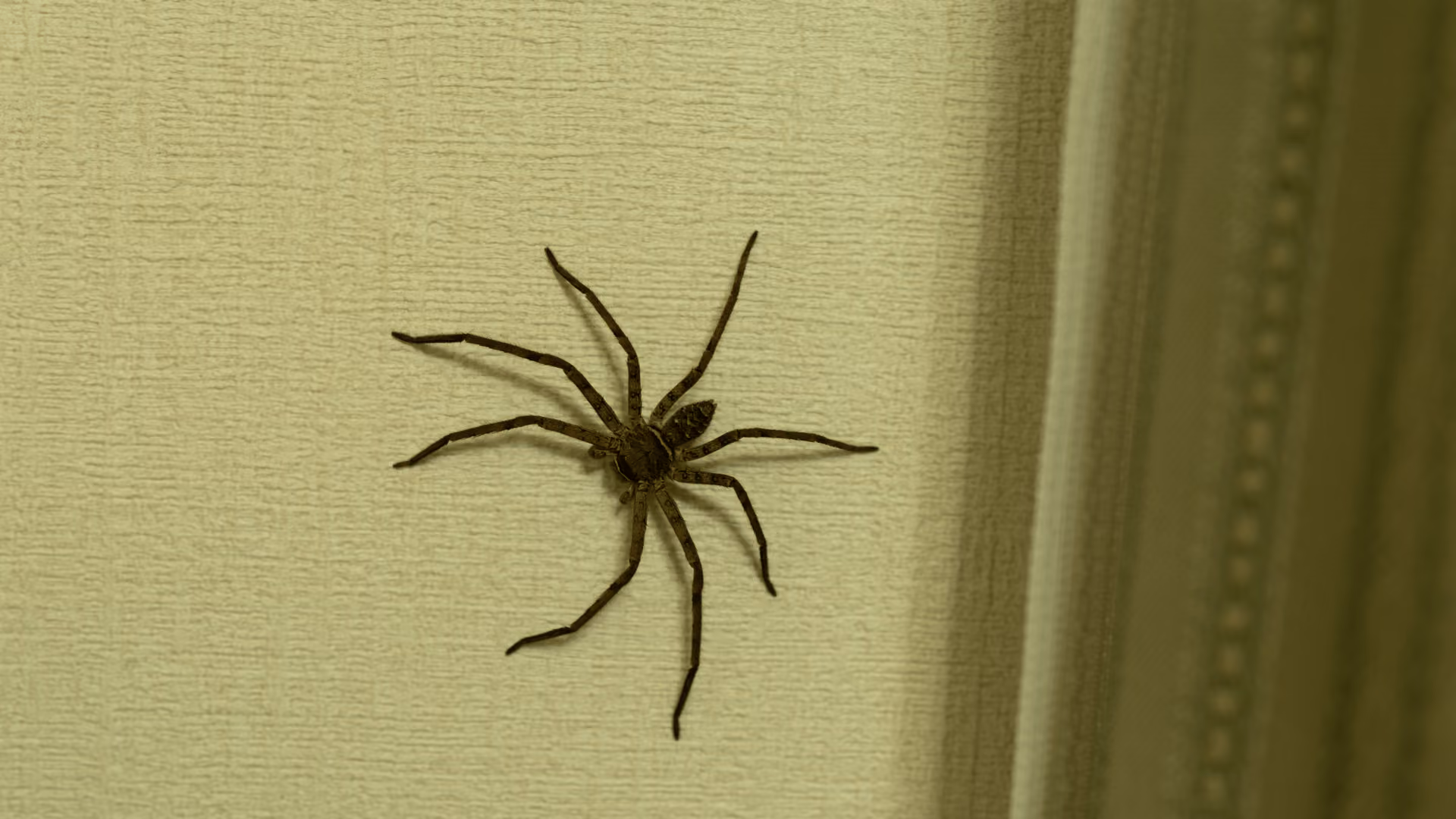
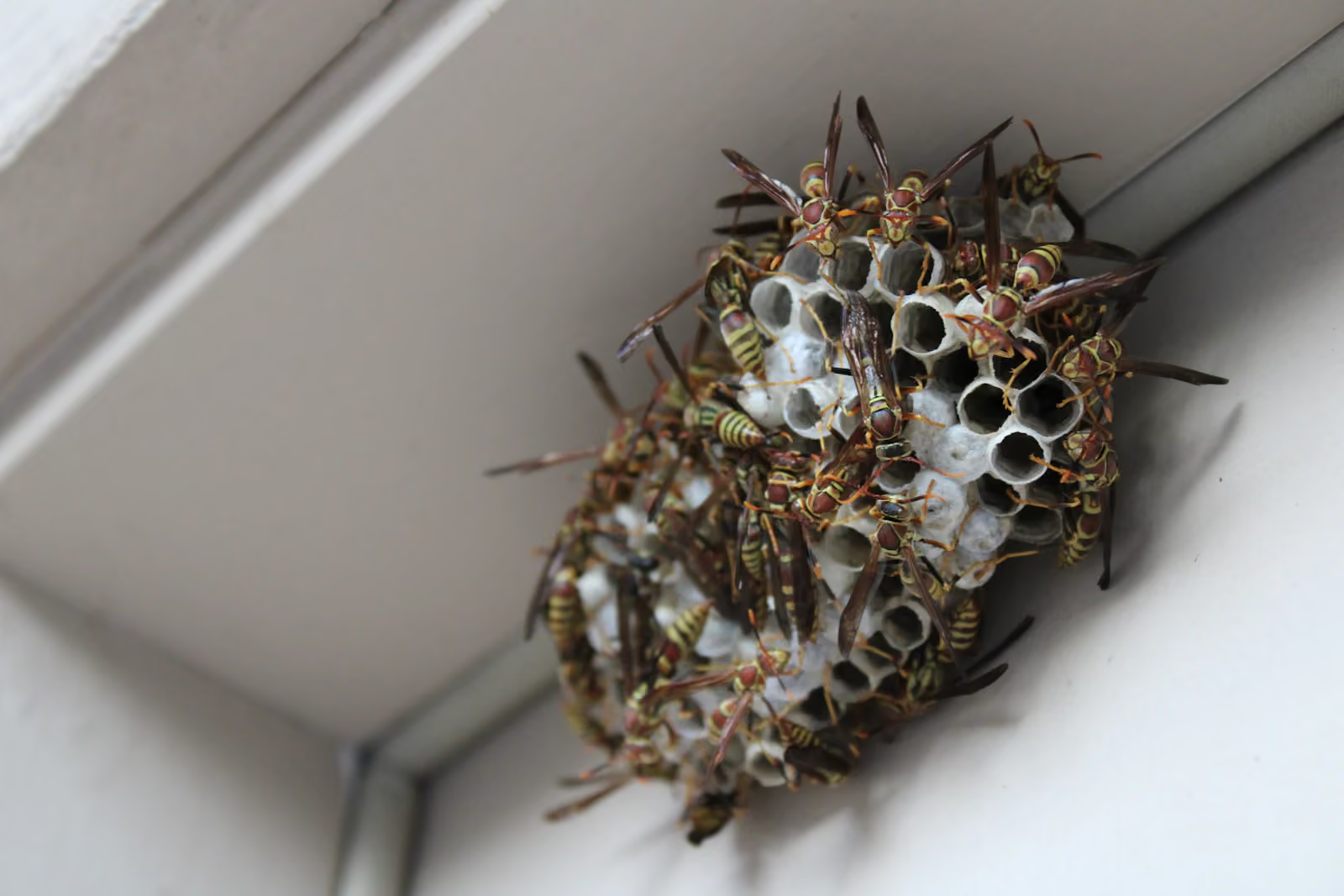
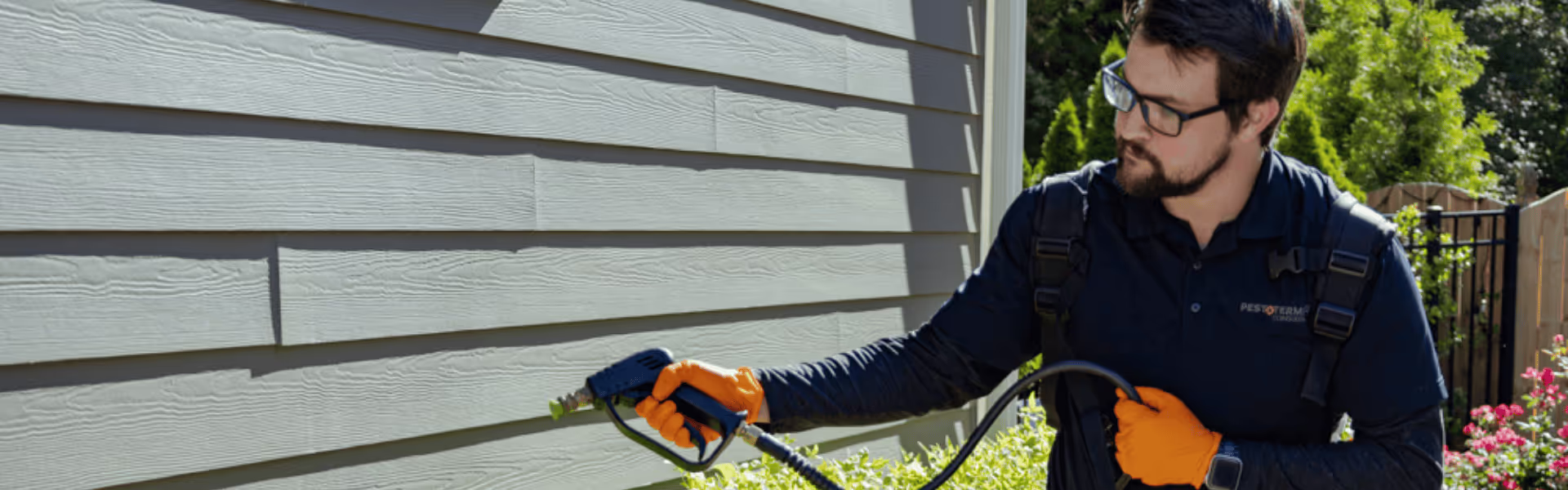
Laurinburg homeowners face pest pressures intensified by the region's heat and agricultural surroundings. Mean daily highs reach 93°F in July — the hottest of any community in our service area — and warm overnight temperatures above 68°F keep insects active around the clock during summer months. The surrounding farmland pushes rodents, stink bugs, and other agricultural pests toward residential areas during harvest and seasonal transitions. Older homes along Main Street and in established neighborhoods face additional vulnerability from aging construction, while newer development brings the land-clearing pest displacement common to growing communities. Our residential pest control program provides quarterly treatments calibrated to Scotland County's specific heat-driven pest cycles.
Termite Control in Laurinburg
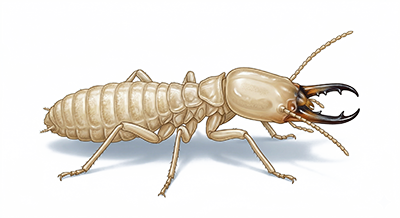
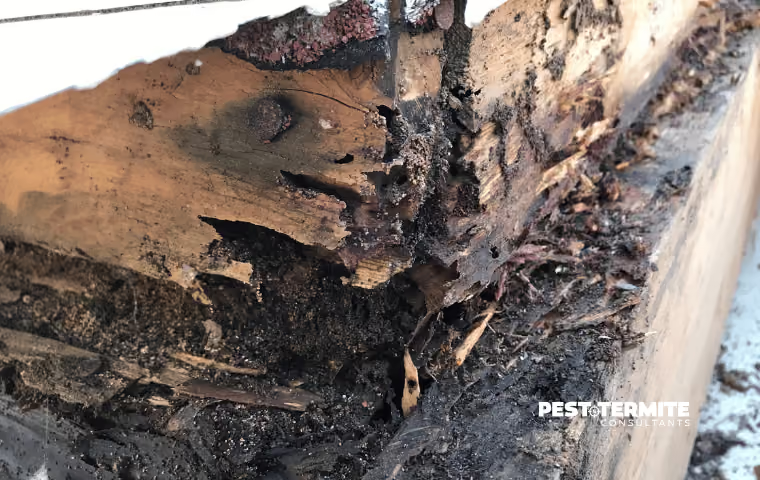
Scotland County sits in a severe termite risk zone where the hottest average temperatures in our service area combine with Coastal Plain moisture to create extreme termite pressure. The sandy soils allow easy tunneling toward foundations, and with July mean highs of 93°F and record extremes reaching 107°F, termite colonies in this area grow aggressively through an extended active season. Hurricane Florence's impact in 2018 damaged structures and saturated soils across the area, creating moisture conditions that continue to benefit termite populations years later. Our termite control services include thorough inspections, liquid barrier treatments designed for sandy Coastal Plain soils, and monitoring systems that catch termite activity before it causes costly structural damage.
Mosquito Control in Laurinburg
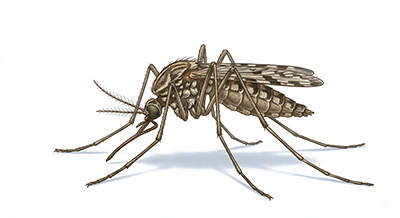
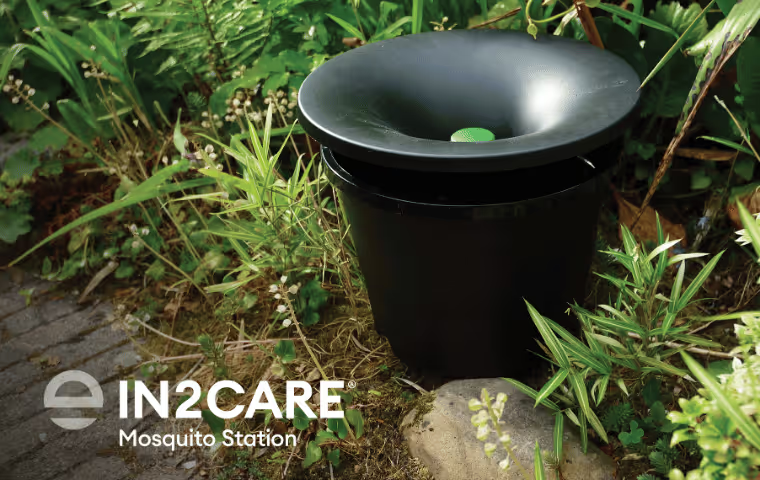
With 121 precipitation days per year and summer rainfall consistently exceeding 5 inches per month, Laurinburg's mosquito season runs aggressively from April well into November. The Lumber River watershed — Drowning Creek originates in neighboring Moore County and flows through the region — creates natural mosquito breeding corridors, and the surrounding agricultural land with its irrigation systems and drainage ditches adds additional breeding habitat throughout the growing season. Our mosquito reduction program targets breeding sites and adult resting areas around your property to dramatically reduce the mosquito populations that Laurinburg's warm, wet climate sustains.
Rodent Control in Laurinburg
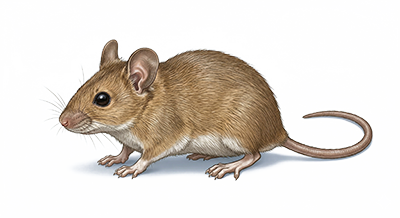
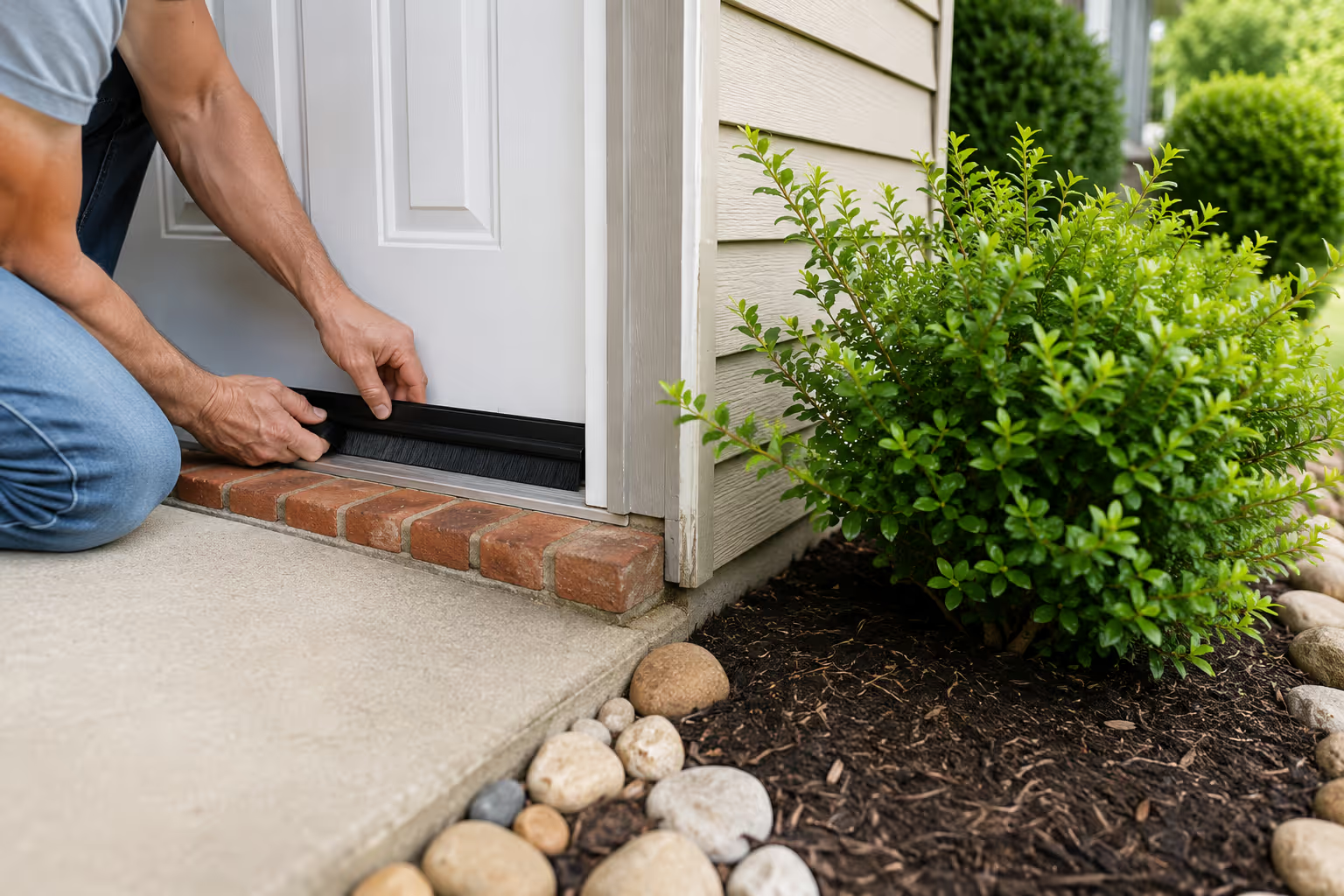
The agricultural land surrounding Laurinburg creates significant rodent pressure, particularly during fall harvest when field mice and Norway rats are displaced from cropland and migrate toward residential and commercial structures. Grain storage, livestock operations, and crop fields all support rodent populations that eventually seek shelter in nearby homes and businesses as seasons change and food sources shift. Downtown Laurinburg's older commercial structures also provide harborage for established rodent populations. Our rodent control services include thorough inspections, exclusion work to seal entry points, and strategic trapping and baiting programs that address both the immediate infestation and the agricultural factors driving rodent migration.


Local Pest Insights for Laurinburg, NC
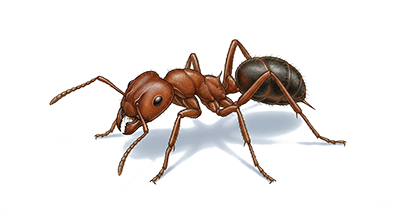
Laurinburg's pest profile is shaped by two dominant factors: extreme heat and agricultural proximity. The mean daily temperature in July and August exceeds 82°F, with nighttime lows staying above 68°F — warm enough to sustain cockroach activity, extend flea season from April through November, and accelerate the reproductive cycles of virtually every pest species in the area. American and smokybrown cockroaches thrive in these conditions, and their populations peak during the warmest months when outdoor populations migrate toward cooler indoor environments.
The surrounding farmland adds a seasonal pest dimension that purely suburban communities don't face. When cotton and grain fields are harvested, the rodents, stink bugs, and other insects that sheltered in the crops lose their habitat and move toward the nearest structures. This agricultural pest spillover creates predictable spikes in pest activity that coincide with fall harvest and spring planting, and properties on the edges of town bordering agricultural land experience this pressure most acutely.
Why Choose Pest & Termite Consultants in Laurinburg?
Scotland County's distance from major urban centers means fewer pest control providers serve the area, but that distance doesn't reduce the need for professional service — if anything, the extreme heat and agricultural pressures make it more important. We serve Laurinburg on a regular route schedule via US-401 from our Fayetteville office, and our technicians understand the specific pest dynamics that agricultural Coastal Plain communities face. Every treatment plan reflects your property's real conditions — proximity to farmland, soil type, construction age, and the heat-driven pest cycles that make Scotland County one of the most challenging environments in our service area.
Additional Pest Control Services in Laurinburg
Laurinburg's restaurants, government offices, healthcare facilities, and businesses along Main Street need reliable commercial pest management. Our commercial pest control services provide code-compliant programs for food service, retail, office, and institutional environments throughout Scotland County. We also serve agricultural operations that need pest management for facilities adjacent to crop and livestock areas.
Service Areas Near Laurinburg
From our Fayetteville office, we serve Laurinburg and the surrounding Scotland County communities including Fayetteville, Lumberton, Raeford, Wagram, Maxton, and communities along the US-401 and US-74 corridors. We also serve properties near the South Carolina border in southern Scotland County.
Frequently Asked Questions About Pest Control in Laurinburg
Why does Laurinburg seem to have worse pest problems than other areas?
Two factors make Laurinburg's pest pressure especially intense: the area has some of the hottest average temperatures in the region, which extends pest active seasons and accelerates reproduction, and the surrounding agricultural land creates pest spillover as rodents and insects migrate from fields to structures during harvest and seasonal transitions. This combination means Laurinburg properties need more aggressive and consistent pest management than communities in cooler, less agricultural settings.
When is cockroach season in Laurinburg?
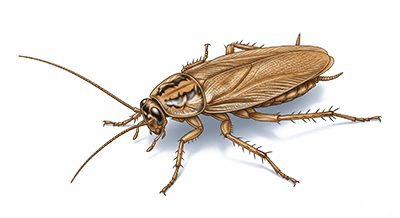
In Laurinburg, cockroach season effectively runs year-round, with peak activity from May through October. The warm nighttime temperatures during summer keep both American and smokybrown cockroaches active outdoors, and they migrate toward indoor environments seeking moisture and cooler temperatures. German cockroaches in kitchens and bathrooms are active all twelve months. Quarterly treatments provide continuous protection against all cockroach species common to the area.
How do nearby farms affect the pests in my Laurinburg home?
Agricultural land creates a cyclical pest dynamic. During the growing season, crops and field edges harbor rodents, stink bugs, and other pests. When fields are harvested or tilled, these pests lose cover and migrate toward the nearest structures — often residential properties on the town's edge. If your home borders agricultural land, you'll typically notice pest spikes in fall during harvest and again in spring during planting. Our treatment schedules account for these agricultural cycles.
Is the flea season longer in Laurinburg than in the Triangle?
Yes. Laurinburg's warmer minimum temperatures mean flea season extends from approximately April through November — roughly two months longer than communities 100 miles to the north. The warm overnight lows above 68°F during summer allow outdoor flea populations to remain active and reproducing well after they've died off in cooler areas. Consistent yard treatments and indoor monitoring through Thanksgiving are important for Laurinburg pet owners.
Do you serve rural properties outside Laurinburg proper?
Yes. We serve residential and commercial properties throughout Scotland County, including rural properties, farmsteads, and homes in unincorporated areas. Rural properties often face unique pest challenges including wildlife intrusion, agricultural pest spillover, and reduced access to municipal pest management resources, and our technicians are experienced with these conditions.
How far is your office from Laurinburg?
Our Fayetteville office is 41 miles from Laurinburg via US-401, typically a 45-50 minute drive. We serve Laurinburg on a regular route schedule and can accommodate urgent requests with priority scheduling for active infestations or emergency situations.
Ready to protect your Laurinburg home or business from pests? Contact Pest & Termite Consultants today or call our Fayetteville office at (910) 781-8980 to schedule your free inspection.
Local Pest Insights for Laurinburg, NC
Laurinburg's pest profile is shaped by two dominant factors: extreme heat and agricultural proximity. The mean daily temperature in July and August exceeds 82°F, with nighttime lows staying above 68°F — warm enough to sustain cockroach activity, extend flea season from April through November, and accelerate the reproductive cycles of virtually every pest species in the area. American and smokybrown cockroaches thrive in these conditions, and their populations peak during the warmest months when outdoor populations migrate toward cooler indoor environments.
The surrounding farmland adds a seasonal pest dimension that purely suburban communities don't face. When cotton and grain fields are harvested, the rodents, stink bugs, and other insects that sheltered in the crops lose their habitat and move toward the nearest structures. This agricultural pest spillover creates predictable spikes in pest activity that coincide with fall harvest and spring planting, and properties on the edges of town bordering agricultural land experience this pressure most acutely.
Why Choose Pest & Termite Consultants in Laurinburg?
Scotland County's distance from major urban centers means fewer pest control providers serve the area, but that distance doesn't reduce the need for professional service — if anything, the extreme heat and agricultural pressures make it more important. We serve Laurinburg on a regular route schedule via US-401 from our Fayetteville office, and our technicians understand the specific pest dynamics that agricultural Coastal Plain communities face. Every treatment plan reflects your property's real conditions — proximity to farmland, soil type, construction age, and the heat-driven pest cycles that make Scotland County one of the most challenging environments in our service area.
Additional Pest Control Services in Laurinburg
Laurinburg's restaurants, government offices, healthcare facilities, and businesses along Main Street need reliable commercial pest management. Our commercial pest control services provide code-compliant programs for food service, retail, office, and institutional environments throughout Scotland County. We also serve agricultural operations that need pest management for facilities adjacent to crop and livestock areas.
Service Areas Near Laurinburg
From our Fayetteville office, we serve Laurinburg and the surrounding Scotland County communities including Fayetteville, Lumberton, Raeford, Wagram, Maxton, and communities along the US-401 and US-74 corridors. We also serve properties near the South Carolina border in southern Scotland County.
Frequently Asked Questions About Pest Control in Laurinburg
Why does Laurinburg seem to have worse pest problems than other areas?
Two factors make Laurinburg's pest pressure especially intense: the area has some of the hottest average temperatures in the region, which extends pest active seasons and accelerates reproduction, and the surrounding agricultural land creates pest spillover as rodents and insects migrate from fields to structures during harvest and seasonal transitions. This combination means Laurinburg properties need more aggressive and consistent pest management than communities in cooler, less agricultural settings.
When is cockroach season in Laurinburg?
In Laurinburg, cockroach season effectively runs year-round, with peak activity from May through October. The warm nighttime temperatures during summer keep both American and smokybrown cockroaches active outdoors, and they migrate toward indoor environments seeking moisture and cooler temperatures. German cockroaches in kitchens and bathrooms are active all twelve months. Quarterly treatments provide continuous protection against all cockroach species common to the area.
How do nearby farms affect the pests in my Laurinburg home?
Agricultural land creates a cyclical pest dynamic. During the growing season, crops and field edges harbor rodents, stink bugs, and other pests. When fields are harvested or tilled, these pests lose cover and migrate toward the nearest structures — often residential properties on the town's edge. If your home borders agricultural land, you'll typically notice pest spikes in fall during harvest and again in spring during planting. Our treatment schedules account for these agricultural cycles.
Is the flea season longer in Laurinburg than in the Triangle?
Yes. Laurinburg's warmer minimum temperatures mean flea season extends from approximately April through November — roughly two months longer than communities 100 miles to the north. The warm overnight lows above 68°F during summer allow outdoor flea populations to remain active and reproducing well after they've died off in cooler areas. Consistent yard treatments and indoor monitoring through Thanksgiving are important for Laurinburg pet owners.
Do you serve rural properties outside Laurinburg proper?
Yes. We serve residential and commercial properties throughout Scotland County, including rural properties, farmsteads, and homes in unincorporated areas. Rural properties often face unique pest challenges including wildlife intrusion, agricultural pest spillover, and reduced access to municipal pest management resources, and our technicians are experienced with these conditions.
How far is your office from Laurinburg?
Our Fayetteville office is 41 miles from Laurinburg via US-401, typically a 45-50 minute drive. We serve Laurinburg on a regular route schedule and can accommodate urgent requests with priority scheduling for active infestations or emergency situations.
Ready to protect your Laurinburg home or business from pests? Contact Pest & Termite Consultants today or call our Fayetteville office at (910) 781-8980 to schedule your free inspection.