Why Fall Pest Prevention Matters Before Winter Arrives Along the Grand Strand
October feels like the moment the pest calendar finally quiets down. Mosquito pressure is dropping, ant trails have slowed, and most homeowners along the Grand Strand assume the hard part is over. That assumption is usually what leads to a rough spring. The weeks between now and winter are when small pest problems turn into established infestations, and the fixes get harder the longer they sit.
If you're in North Myrtle Beach, Surfside Beach, Ocean Drive, or the surrounding coastal communities, here's what's worth paying attention to before colder nights arrive.
Why Fall Is the Right Window for Pest Prevention
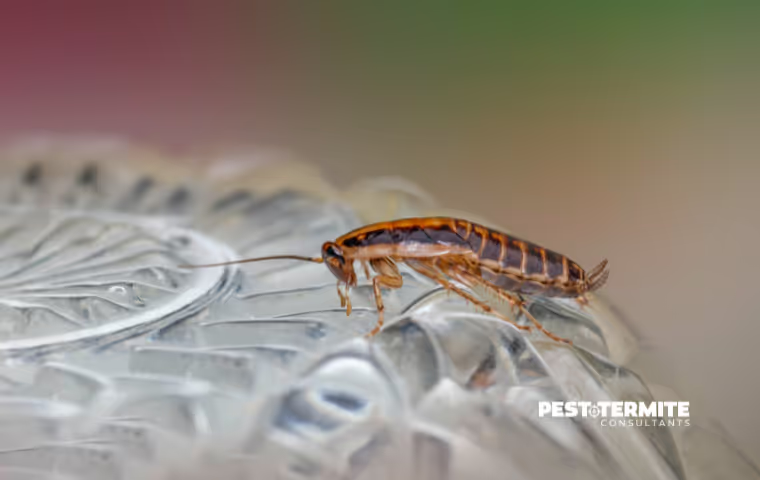
Most pest pressure in coastal South Carolina follows moisture and temperature. When summer's heat starts to ease, pests don't disappear. They relocate. Ants move closer to foundations. Roaches seek out warmth indoors. Rodents that have been living comfortably outdoors through the summer start scouting for shelter before the first cold snap. The window between late September and mid-November is crucial because pest populations are still active enough to treat effectively, but they haven't settled in for the winter yet.
Treating in November or December, once pests are already established inside your walls or crawlspace, costs more and takes longer. Getting ahead of that movement now is more straightforward, less stressful, and tends to make the following spring a lot quieter.
What Coastal Conditions Change
The Grand Strand doesn't get the hard freezes that push pests out of the picture the way inland areas sometimes do. That matters for fall prevention planning because it means many pest species stay active much later in the season than homeowners expect. Roaches that would die off or go dormant further north stay mobile and continue reproducing well into fall along the coast. The same goes for certain ant species that would slow down significantly in colder climates.
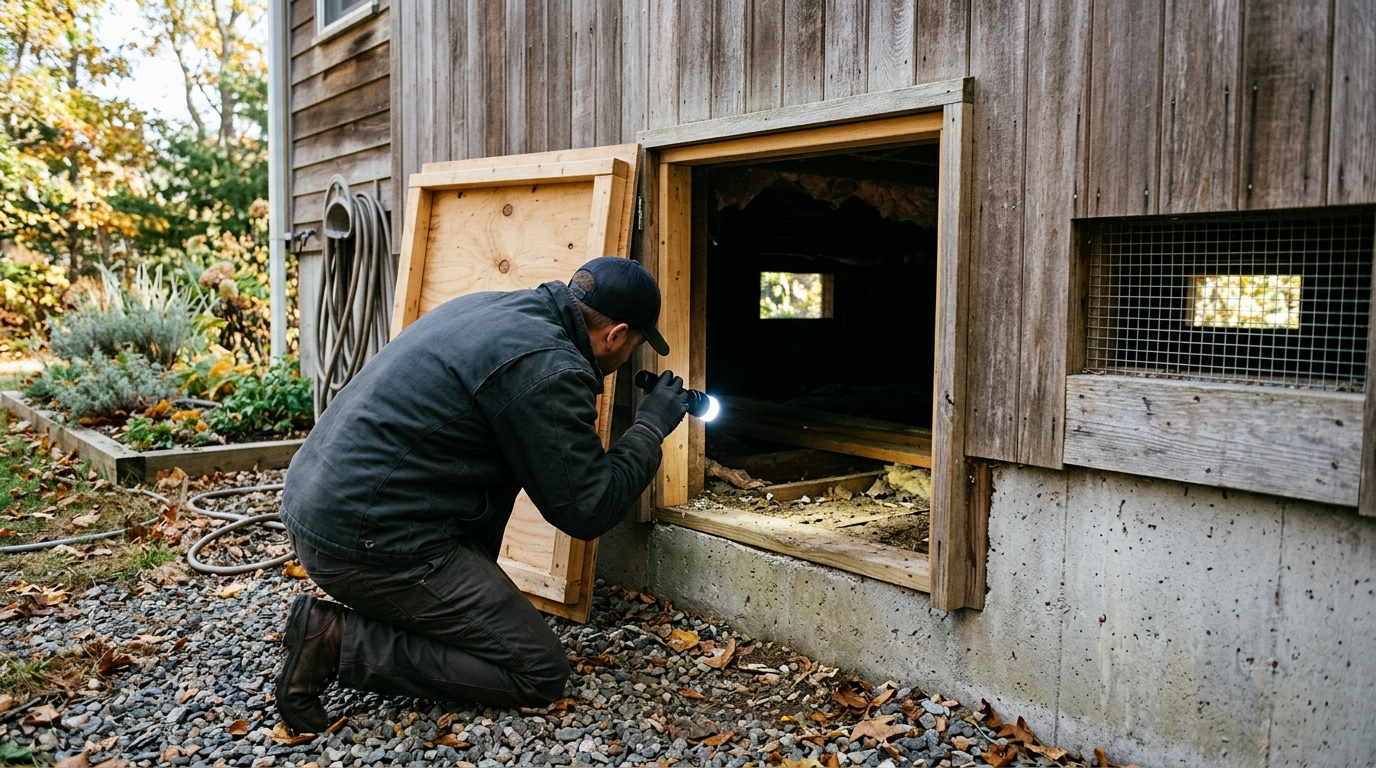
Crawlspaces are a specific concern in this region. Coastal homes built on piers or with vented crawlspaces trap humidity and create conditions that support roach activity, termite pressure, and rodent nesting, even during the cooler months. A crawlspace that wasn't addressed during the summer pest season doesn't suddenly become a non-issue in October. If anything, it becomes more appealing to pests as outdoor temperatures drop. We see this pattern every year, and the homes that skip fall pest prevention are usually the ones calling us in January.
What a Fall Prevention Plan Covers
Pest prevention before winter isn’t about a single treatment. It’s about identifying and addressing the conditions that could allow pests to become a problem as the weather changes. Along the Grand Strand, homes often face continued insect activity well into fall, as well as increased rodent pressure in October as mice and rats begin looking for stable shelter indoors. A good fall prevention plan addresses both.
Start with the exterior of your home. Gaps around utility lines, foundation openings, vents, doors, and windows can provide pests with a way inside. Damaged weatherstripping and worn door sweeps should also be addressed. Rodents need surprisingly little space to enter a structure, so openings that seem insignificant can become important as temperatures begin to cool.
Conditions around your yard matter as well. Leaf litter, dense vegetation, accumulated debris, standing water, and moisture near your foundation can provide food, water, and shelter for insects and rodents. Keeping these areas maintained can reduce pest activity close to your house and make it less likely that pests will find their way indoors.
Inside your home, kitchens, bathrooms, crawlspaces, and garages deserve attention. Signs of activity in these areas may indicate that pests have already moved inside. Addressing that activity during the fall can help prevent a smaller issue from becoming more difficult to manage during winter.
Termite protection should remain part of the conversation, too. Termites don’t take the fall off. They can continue feeding year-round if conditions are favorable, and the damage that shows up in spring inspections usually accumulates over months without any obvious warning signs. For homeowners in the North Myrtle Beach area and along the Grand Strand, fall is a good time to confirm monitoring systems are in place and functioning. If you've been on the fence about scheduling a termite inspection, doing so in the off-season before spring swarm activity is worth your time.
If you're not sure where to start, reach out to us, and we can walk through what fall pest control services make sense for your property’s specific needs.
Grand Strand Homeowners’ FAQs About Fall Pest Prevention
Is pest control really necessary in the fall if I haven't seen many bugs lately?
Fewer sightings doesn't mean reduced activity. Many pests become less obvious in the fall because they're moving to protected areas rather than foraging out in the open. Treating based on what you can see tends to leave the actual problem untouched.
When is the best time to schedule fall pest control in the North Myrtle Beach area?
October through mid-November is the practical window. You want to treat when pest populations are still active enough for treatments to be effective, but early enough that overwintering pests haven't already settled into walls or crawlspaces for the season.
Do termites stay active during fall and winter in coastal South Carolina?
Yes. Subterranean termites don't go dormant the way many other insects do. Soil temperatures along the Carolina coast stay warm enough to sustain colony activity well into the cooler months, which is why year-round termite monitoring matters here more than in colder climates.
What are the biggest signs that pests are already getting into my home this fall?
Droppings near baseboards or under sinks, small grease marks along walls, frass (wood shavings mixed with insect waste) near window frames, and any new insect trails in bathrooms or kitchens are all worth taking seriously. These usually indicate a population that is already established, not just passing through.
Can I handle fall pest prevention myself, or do I need a professional?
Sealing obvious entry points and clearing debris from around the foundation are useful steps any homeowner can take. But treating an active colony, identifying entry points behind walls, or inspecting a crawlspace for termite activity requires the right equipment and training. DIY measures work as a complement to professional treatment, not a replacement for it.
Schedule Fall Pest Control Before the Season Changes
Fall pest prevention along the Grand Strand isn't complicated, but it does require acting before winter makes the job harder. If you're in the North Myrtle Beach area and want to get ahead of what the next few months typically bring, our team is available to assess your property and put a plan together. Contact Pest & Termite Consultants to schedule a visit before the season shifts.