How Early Ant Activity in Wilmington Turns Into Summer Infestations
Early ant activity is easy to overlook. A few ants near the sink or along a windowsill can seem like a minor issue, especially in early spring. Along the coast, these small signs often lead to much bigger problems by the time summer arrives.
In Wilmington, high moisture levels, mild temperatures, and coastal conditions let ant colonies grow quickly. What starts as occasional activity can turn into a persistent indoor problem if it goes unaddressed.
Why Ant Activity Starts Early in Coastal Areas
Ants respond quickly to changes in temperature and moisture. In Wilmington, even late winter and early spring conditions can trigger foraging behavior.
As soil begins to warm and rain increases:
- Ant colonies become more active
- Worker ants begin searching for food and water
- Nesting areas expand
- Trails begin forming toward reliable food sources
This early activity often happens before homeowners even realize there is a problem.
What Early Ant Activity Really Means
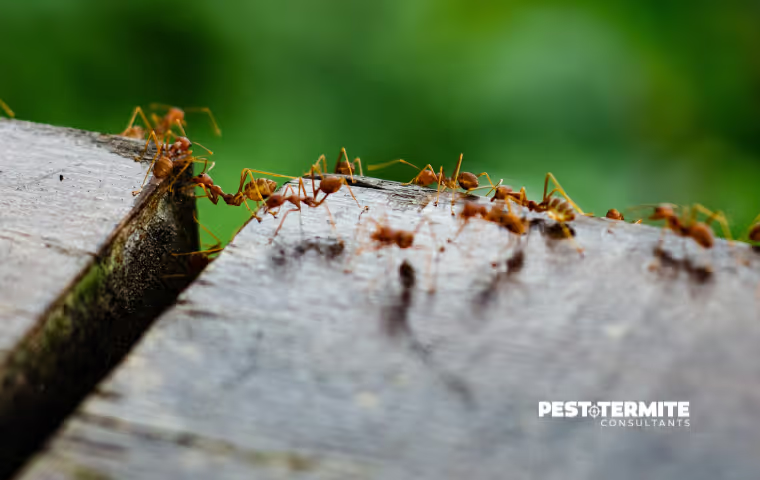
The ants you see indoors are usually just a small part of a much larger colony. Worker ants are sent out to locate food and moisture, and once they find a source, they leave a scent trail that guides other ants to the same spot.
What looks like a minor issue may actually point to:
- A nearby outdoor colony
- Nesting in crawlspaces or wall voids
- Multiple access points into the home
This is often what leads homeowners to start searching for how to get rid of ants in Wilmington once activity goes from occasional to overwhelming.
How Colonies Expand Into Summer Infestations
If early activity is ignored, colonies continue to grow and spread unchecked. Over time, this leads to:
- Larger and more defined ant trails
- Increased indoor sightings
- Multiple colonies around the property
- Infestations that are harder to eliminate
By summer, what began as a few ants can turn into a recurring infestation that requires more aggressive treatment.
Why Coastal Conditions Accelerate Infestations
Wilmington's environment lets ant populations expand faster than in many other areas.
Key factors include:
- High humidity that supports nesting
- Frequent rain that pushes ants indoors
- Mild winters that let colonies survive year round
- Crawlspaces that provide shelter and moisture
These conditions give ants a consistent advantage when establishing and expanding colonies.
Why Early Ant Control Makes a Difference
Stopping ant problems early prevents colonies from growing and spreading. Professional ant control in Wilmington focuses on identifying nesting areas, reducing outdoor populations, and preventing ants from entering homes.
Early intervention helps:
- Break established scent trails
- Limit colony expansion
- Reduce repeat infestations
- Minimize indoor treatments later
Waiting until summer to address ant concerns often means dealing with a larger, more persistent problem.
Simple Steps to Reduce Early Ant Activity
Coastal homeowners can take a few steps to reduce ant pressure before infestations grow:
- Seal gaps around doors, windows, and foundations
- Fix moisture issues near sinks and crawlspaces
- Store food in sealed containers
- Clean up crumbs and spills promptly
- Trim vegetation away from the home
These steps help reduce attractants and entry points, though they may not eliminate an established colony on their own.
Coastal Ant Control and Prevention FAQs
When do ants become active in Wilmington?
Ant activity often begins in early spring as temperatures and moisture levels increase.
Do a few ants mean there is a colony nearby?
In most cases, yes. Seeing a few ants usually indicates a larger population nearby.
Why do ants get worse in summer?
If not addressed early, ant colonies grow and expand throughout the spring months, leading to overwhelming populations in the summer.
Can ants nest inside homes?
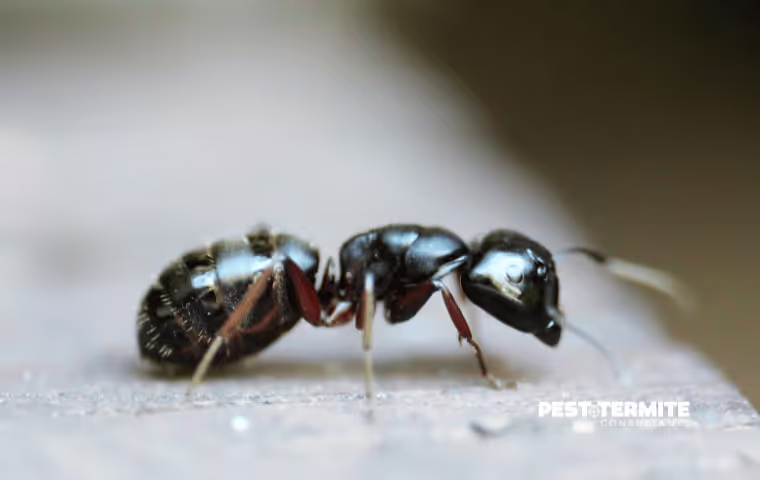
Yes. Many ant species, including carpenter ants, nest in walls, crawlspaces, or under flooring.
Is DIY ant control effective long term?
DIY methods may reduce activity, but they rarely resolve an established ant infestation.
Why do ants keep coming back each year?
If ants keep coming back, it usually means the colony was never fully removed or that attractants and entry points were not properly addressed.
Is early pest control more effective than waiting?
Yes. Early intervention limits population growth and helps stop ant infestations before they take hold.
Stop Ant Problems Before They Grow
Early ant activity is often the first stage of a larger infestation. Along the coast, ant problems can grow quickly due to high moisture, warm weather, and other favorable conditions, which leaves homeowners at increased risk.
Proactive ant control in Wilmington helps stop colonies before they expand and reduces the likelihood of infestations returning year after year. If you want to avoid being overrun this summer, the most effective solution is to act now, before small problems turn into larger ones.
For help protecting your home from ants, call (910) 707-3830 to schedule your ant control service in Wilmington.