What Late Summer Conditions Do to Pest Populations Along the Grand Strand
August along the Grand Strand doesn't feel like the tail end of summer. The heat stays thick into the evening, afternoon rain comes almost daily, and the humidity barely drops overnight. For most people, that means running the AC harder and staying indoors. For ants, cockroaches, and mosquitoes, it means peak conditions for feeding, breeding, and pushing into homes.
If you've noticed more bug activity around your North Myrtle Beach property over the past few weeks, the weather is likely a major contributing factor. Here's what's actually happening with these three pests right now, and what you can do about them.
Why Ants Get More Aggressive in Late Summer
Ant colonies have spent the whole spring and summer growing. By late August, a mature fire ant or pavement ant colony can contain tens of thousands of workers, and the colony's food demand is at its highest point of the year. That pressure drives foraging activity deep into yards and straight into homes through any gap they can find, whether that's a crack in the foundation, a gap around a pipe, or a door sweep that doesn't quite seal.
The other factor is moisture. When the soil dries out after a stretch without rain, ants move toward structures where condensation, leaking pipes, and air conditioning drainage create reliable water sources. After a heavy rain, they do the opposite and come up from flooded soil looking for higher ground. In North Myrtle Beach, where August delivers both extremes, ant intrusions tend to spike twice: once after dry spells, and again after storms.
Bait treatments placed in late summer are catching colonies at their largest, which also makes them more effective at reaching queens. Skipping treatment now means carrying an oversized colony into fall, when they'll slow down just enough to make the problem less obvious but not actually go away.
What August Conditions Mean for Cockroach Populations
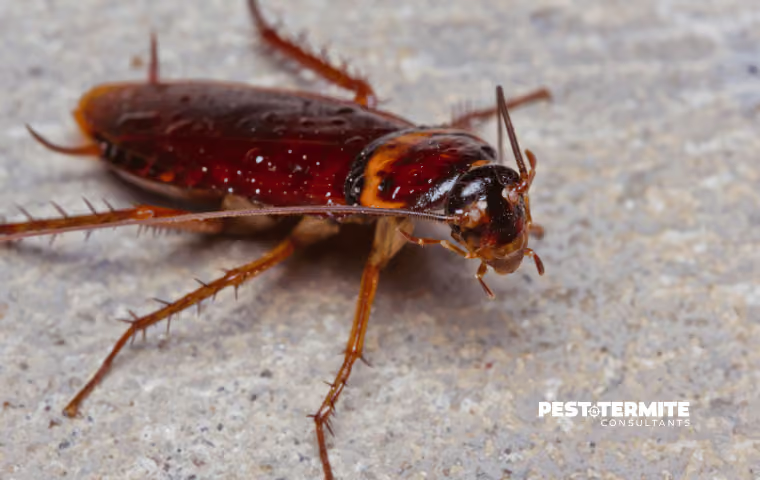
American and German cockroaches thrive when the temperature stays above 70 degrees and humidity stays high. The Grand Strand delivers both through most of August, resulting in faster reproduction. Roach eggs that might take longer to hatch in cooler, drier conditions develop quickly when temperatures are consistently in the upper 80s, and a female American cockroach can produce several egg cases per season.
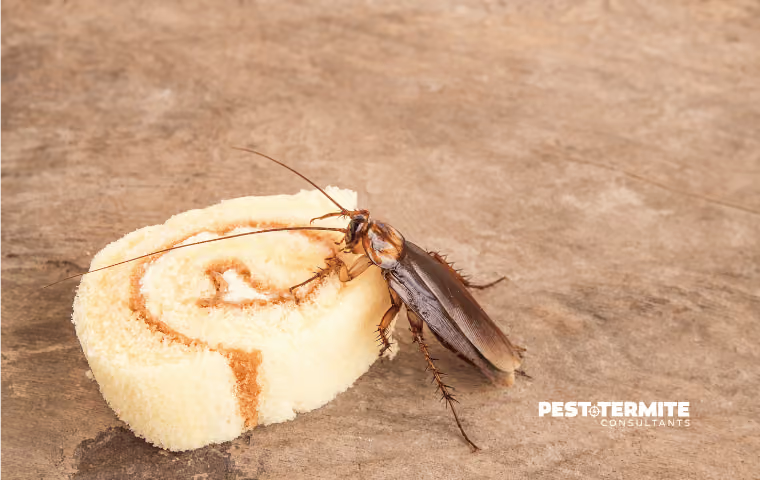
The shift indoors happens gradually and then suddenly. Cockroaches that have been living under mulch, in leaf piles, or along the exterior of the foundation start moving inside as the evenings cool slightly in late August. They're also drawn in by food odors, moisture around appliances, and gaps around pipes where cool air is leaking through. By the time you spot a roach in your kitchen or bathroom, there are typically others nearby that you haven't seen yet.
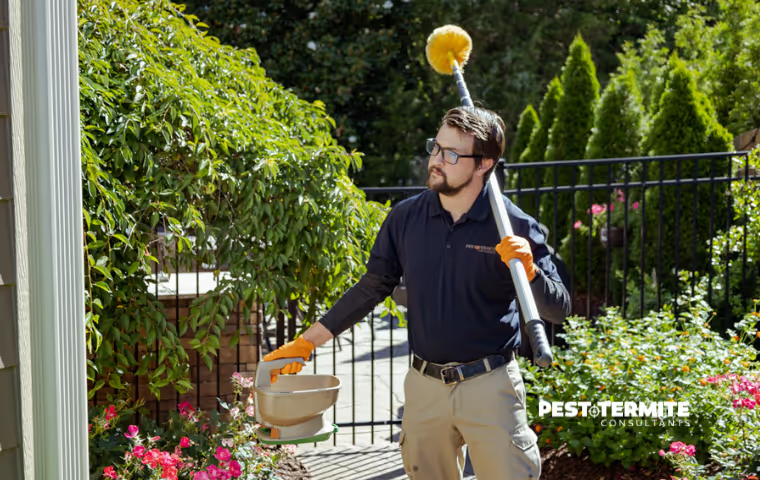
Coastal humidity makes chemical treatments break down faster outdoors, which is one reason DIY sprays tend to underperform here. Our cockroach control services in North Myrtle Beach and coastal SC account for that specifically, using products and schedules timed to local conditions rather than a general regional approach.
Why Mosquito Breeding Doesn't Stop in Late August
Thinking that mosquito season peaks in June or July and starts winding down by the end of August is a common misconception. Along the Grand Strand, that's not how it plays out.
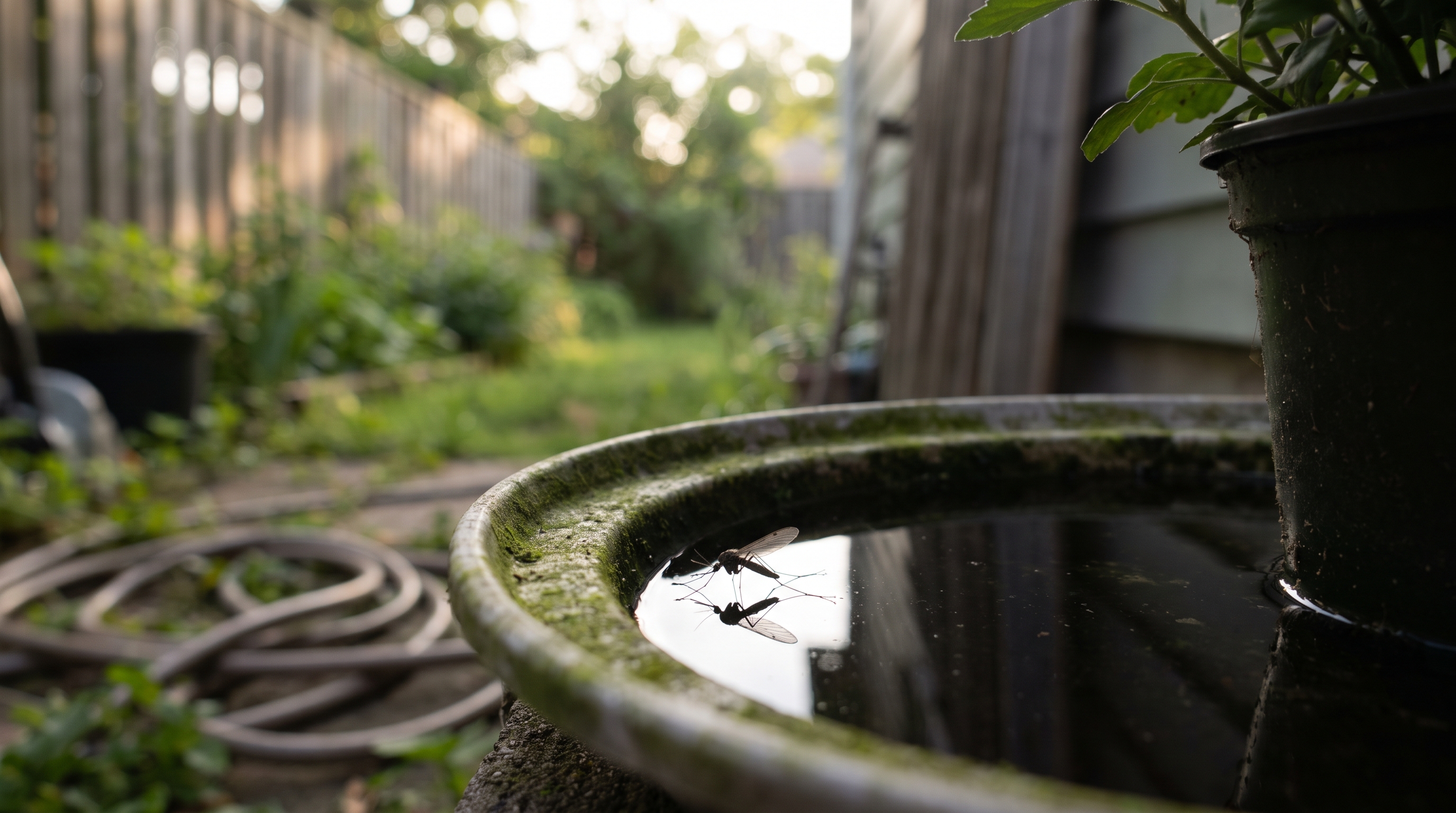
Mosquitoes breed in standing water, and they don't need much of it. Even a bottle cap can hold enough for a breeding cycle. August rain keeps everything saturated: low spots in yards, clogged gutters, decorative pots, and drainage areas that never fully dry between storms. This creates plenty of potential breeding sites and keeps mosquito populations high even in late summer.
Water temperature matters too. Mosquito larvae develop faster in warm water, and with temperatures staying high through late August, standing water along coastal properties stays warm enough to support rapid development. That means the population doesn’t start thinning out as early as it might in further north.
Skipping a treatment now doesn't give you two quiet weeks. It gives the existing breeding sites time to produce a new generation before conditions actually start cooling in October. Late summer mosquito control in North Myrtle Beach and surrounding coastal areas needs to account for the fact that the season here runs longer than the calendar suggests.
FAQs About North Myrtle Beach’s Late Summer Pests
Do all three of these pests actually peak at the same time in late August?
More or less, yes. They peak for different reasons, but the same conditions drive all three: sustained heat, high humidity, and frequent rain. August along the Grand Strand checks every box simultaneously, which is why late summer tends to produce the broadest mix of pest activity of the year.
Why do I keep seeing ants even after I've treated the outside of my house?
Exterior sprays create a perimeter barrier, but they don't address an established colony. If the colony is large enough, workers will find ways around treated surfaces, especially after rain dilutes the product. Bait targeting the queen is typically more effective at this point in the season than spray alone.
Is seeing one cockroach inside the house actually a warning sign?
Cockroaches are nocturnal and prefer to stay hidden. Seeing one during the day, or in a well-lit area, usually means there are more that you're not seeing. A single roach in the kitchen at night could just be a bug that wandered in from outside, but it's worth treating the situation as an early infestation rather than waiting to find out.
How long does it take for mosquito populations to drop after treatment?
A yard treatment typically reduces adult mosquito activity within 24 to 48 hours. The ongoing challenge is that new adults can emerge from untreated standing water nearby, so a single treatment doesn't hold indefinitely. That's why scheduled service intervals matter more than one-time applications.
Does late summer pest pressure affect indoor-only treatments, or just the exterior?
Both. Exterior conditions drive pests toward structures, so interior pressure increases when outdoor populations are high. The most effective approach to late summer pest control in North Myrtle Beach treats both sides: reducing breeding sites and entry points outside while addressing any activity that has already made it indoors.
Don't Let Late Summer Pests Follow You Into Fall
Ant colonies, cockroach populations, and mosquito breeding sites are all at or near their seasonal peak right now. Waiting for cooler weather to solve the problem usually just means carrying a larger infestation into the fall.
If you're dealing with any of these pests in your home or yard, don’t wait. Reach out to Pest & Termite Consultants to schedule a visit. We offer reliable pest control services in North Myrtle Beach, Calabash, Barefoot Landing, and along the Grand Strand.