Why Rodent Exclusion Should Happen Before the Coldest Nights Arrive
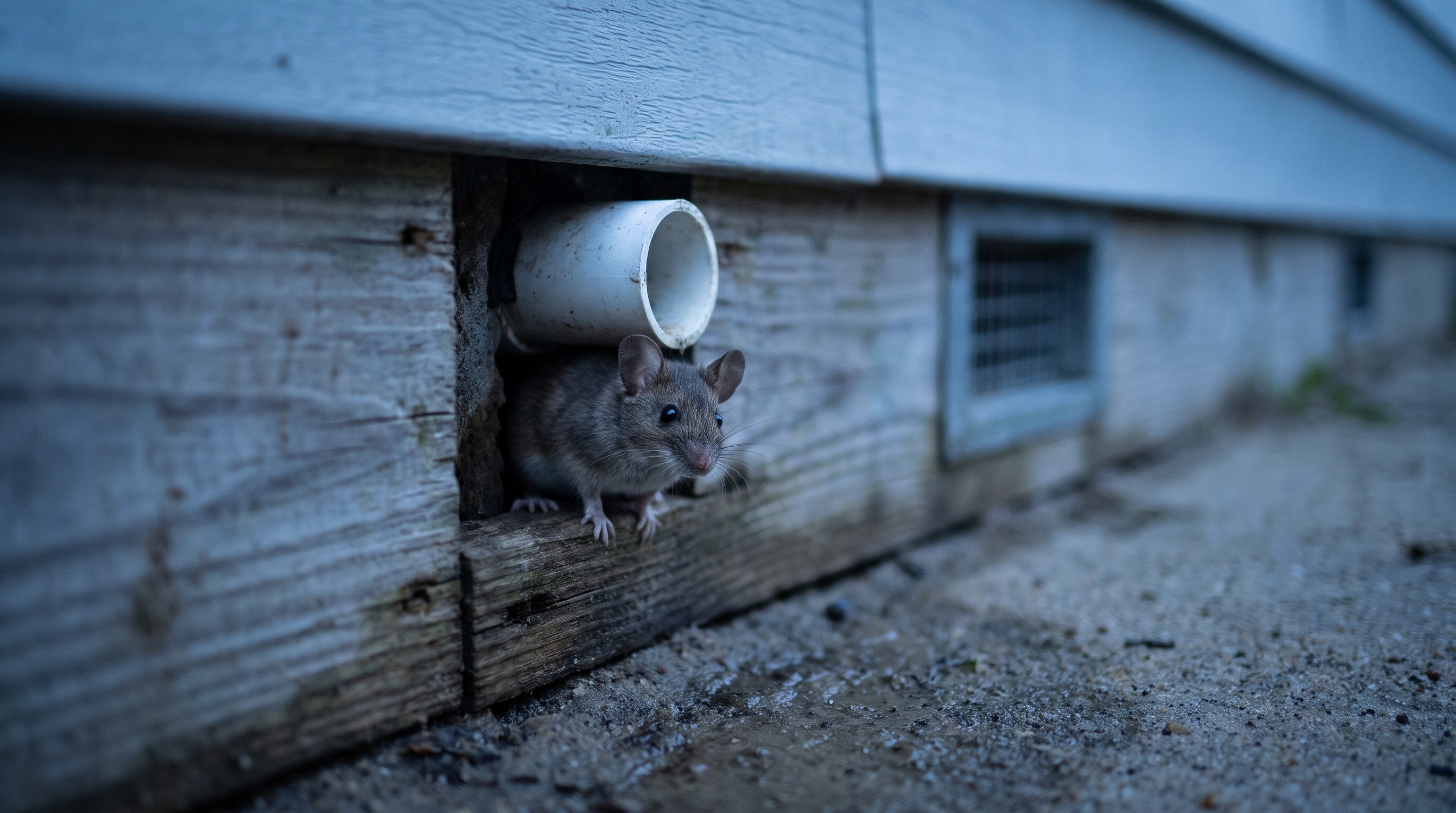
The first real cold snap sends mice and rats along the Grand Strand looking for somewhere warm to spend the winter, and our homes are the perfect refuge. Rodent prevention efforts like finding and sealing the gaps they use to get in work best before that happens. Here's why starting rodent exclusion efforts before cold weather arrives matters and what steps are involved for North Myrtle Beach homes.
Why Do Rodents Head Indoors When Nights Get Cold?
Mice and rats move inside as outdoor food and shelter opportunities thin out and temperatures drop overnight. Garages, attics, or crawlspaces give them warmth, nesting material, and quiet, safe shelter.
Coastal winters are milder than the winters inland, so homeowners often assume rodents aren't as much of a concern closer to the coast. The opposite can be true. A mild stretch before temperatures drop lets rodent populations stay active outside, and then a cold night pushes them toward homes all at once.
Once rodents are inside, you're dealing with droppings, chewed insulation and wiring, and scratching in the walls at night. Sealing your home before the coldest nights is far easier than getting rodents out afterward.
Where Do Rodents Get Into Coastal Homes?
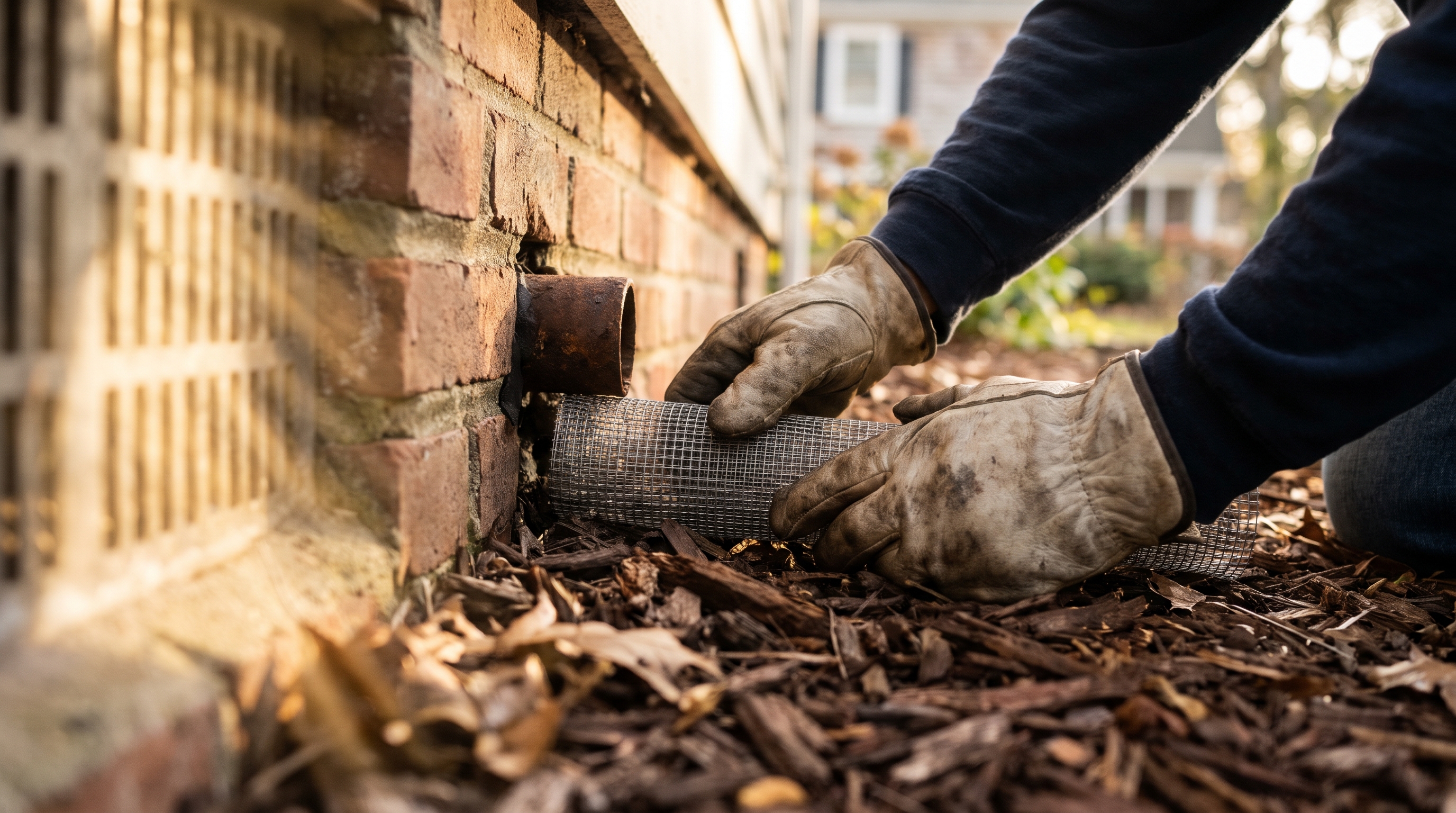
Rodents get in through gaps most homeowners never look at, usually where utilities enter or connect to the house. Common entry points include:
- Gaps around pipes, cables, and AC line sets where they pass through exterior walls
- Damaged or missing vent screens, especially on crawlspace and attic vents
- Worn weatherstripping and gaps under garage or exterior doors
- Openings where siding, trim, or soffits have pulled away
- Crawlspace access doors that don't close tightly
Homes raised on piers or with vented crawlspaces, which are common along the coast, give rodents an easy staging area. From there, they can follow pipes and framing up into walls. Outbuildings, sheds, and detached garages are often the first place mice and rats settle.
What Does Rodent Exclusion Near North Myrtle Beach Involve?
Rodent exclusion in North Myrtle Beach and along the Grand Strand starts with a full inspection to find every potential entry point, then focuses on sealing those gaps with materials rodents can't chew through and removing any animals already inside.
Sealing alone doesn't finish the job if rodents are already in your house, because that only closes them in. Trapping or baiting handles the ones inside, and exclusion keeps new ones from replacing them. Doing only one of the two is why many rodent problems keep coming back.
At Pest & Termite Consultants, our rodent control process starts with an inspection, then exclusion work, followed by targeted baiting and trapping where needed.
Prevention Steps You Can Take Before the Cold Arrives
A few simple checks now will show you whether your home needs professional exclusion work.
- Walk the outside of your house and look for gaps around pipes, vents, and the foundation line.
- Check the garage door seal. If you can see daylight under it, a mouse can get through.
- Store pet food and birdseed in sealed containers, not open bags.
- Trim any branches and vines that touch the roof or siding.
- Listen in the evening for scratching in the attic, walls, or ceiling, and look for droppings in cabinets and the garage.
Rodents can squeeze through openings much smaller than most people expect, so a gap you can barely see still counts. If you find several entry points or any sign of activity, it's time for a professional look.
Cold-Weather Rodent Control FAQs
When is the best time to schedule rodent exclusion?
Scheduling in late fall is ideal because rodents are starting to move toward homes, but sealing is worthwhile any time you find entry points or signs of activity.
Can I seal entry points myself?
You can close small, obvious gaps with caulk or steel wool. Larger openings, rooflines, vents, and crawlspaces are harder to reach and need the right materials, so many homeowners miss entry points without realizing it.
How do I know if rodents are already inside?
Common signs are droppings, gnawed food packaging, chewed wires or insulation, greasy rub marks along walls, and scratching or scurrying sounds at night. The best way to find out for sure is with a professional rodent inspection.
Will sealing entry points trap rodents in my house?
It can if it's done before removing them. That's why inspection, exclusion, and trapping or baiting are handled together and in the correct order, so nothing is sealed in.
Do rodent problems go away on their own in winter?
Rarely. The warmth and food inside your home make it the perfect place for rodents to settle in and breed during the colder months, so a small problem now will typically grow throughout the season unless the rodents are removed and the entry points are successfully closed.
Get a Rodent Inspection for Your Home Before Winter
If you've noticed droppings or noises at night, give us a call or request your free quote online. Pest & Termite Consultants serves North Myrtle Beach, Little River, Calabash, Barefoot Landing, and the surrounding Grand Strand communities, and our team will inspect your home and walk you through what needs sealing.