What Rodent Exclusion Looks Like Before Winter Starts in Coastal NC
Rodents don't wait for the first freeze. In coastal North Carolina, mild nights let mice and rats keep moving until a cold snap pushes them toward the warmest, quietest spot they can find, and that's usually your attic, crawlspace, or wall void. Here's what rodent exclusion near Wilmington involves, and why it matters, so you can get prepared before winter sets in.
What Does Rodent Exclusion Mean?
Mice can squeeze through gaps about the width of a pencil, and rats can fit through holes the size of a bottle cap. A house that looks sealed up tight from the driveway often isn't.
Rodent exclusion means finding and closing off the openings rodents use to get indoors, so they can't come back after they're removed. Trapping alone only deals with the animals already inside. Exclusion deals with the reason they got in.
How Does a Pre-Winter Rodent Inspection Work?
A pre-winter inspection starts outside at the foundation and works up to the roofline. The goal is to find every gap rodents could enter through, then look for the signs showing which ones are already in use.
During our inspections, we typically check these areas first:
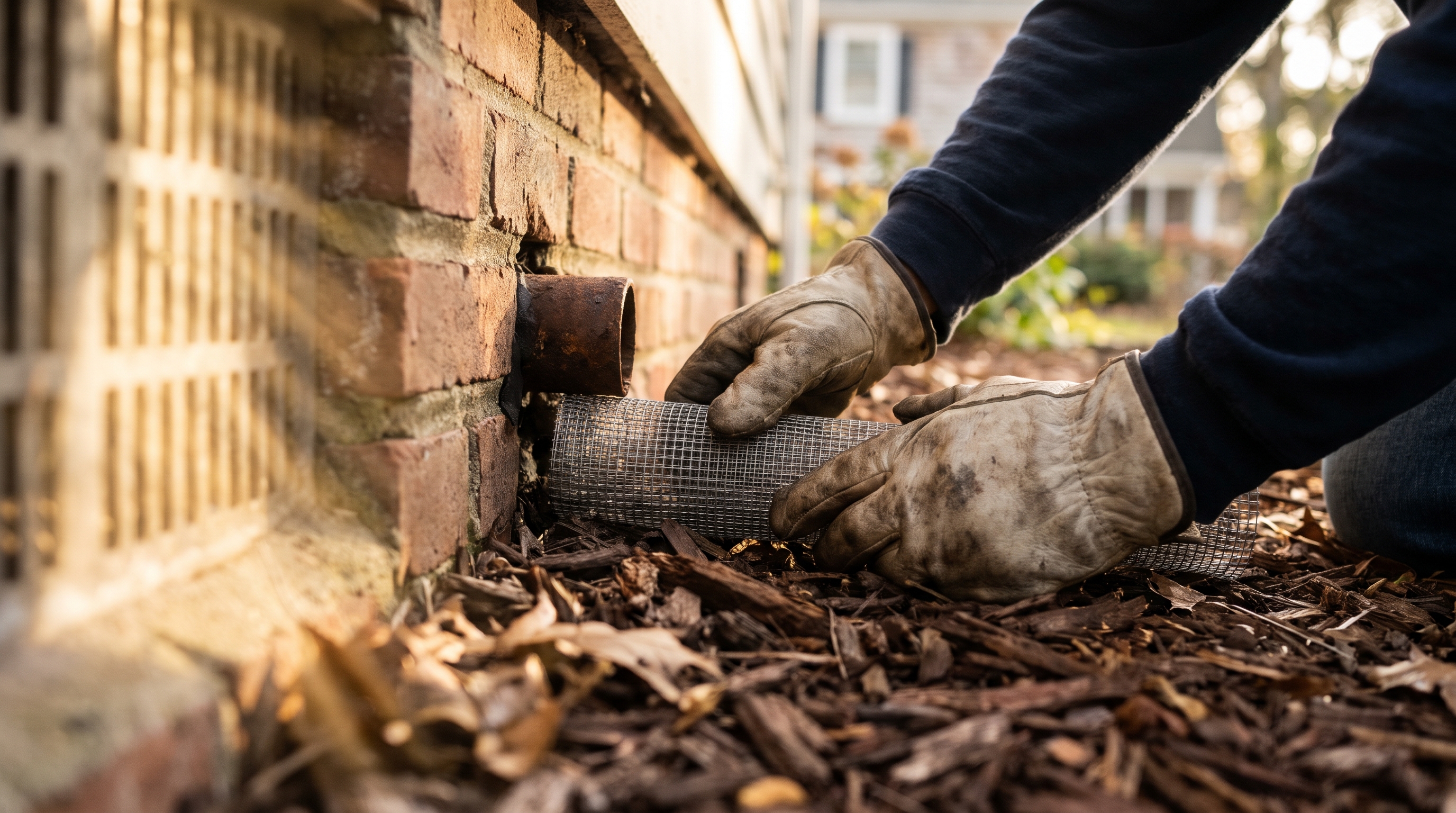
- Gaps around pipes, gas lines, and cable or AC line penetrations
- Crawlspace vents and access doors that no longer close flush
- Garage door seals and the bottom edge of exterior doors
- Roof returns, soffits, and gable vents, where a gap lets rodents in from above
- Dryer vents and any damaged screens
Inside, we look for droppings, rub marks along baseboards, gnawed insulation or wiring, and nesting material. Those signs show which entry points are active and where traffic is the heaviest. For homes in Wilmington and throughout coastal North Carolina, crawlspaces and attics tend to be the first places worth a close look, since both offer shelter and a steady supply of insulation and stored items to nest in.
What Gets Sealed, And With What?
Rodents chew a lot, so sealing material has to be something they can't gnaw through. Foam or caulk alone doesn't hold up; it's a snack, not a barrier.
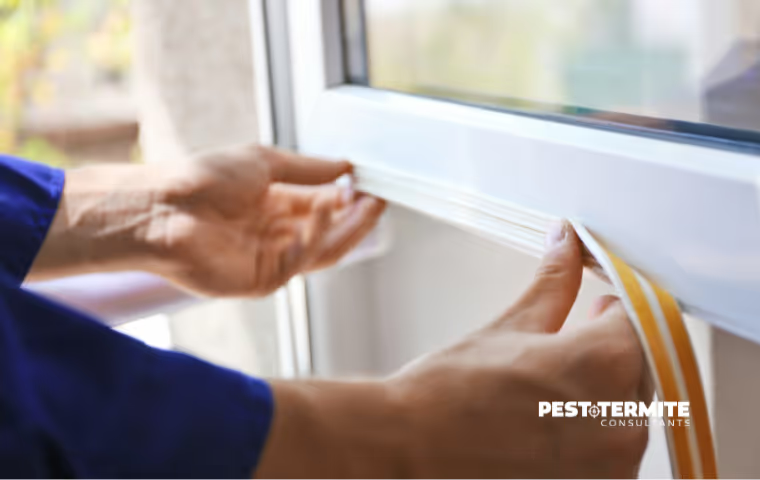
Small gaps are usually packed with coarse metal material and finished with sealant. Larger openings, like a damaged vent or a missing section of trim, call for metal mesh or a full repair. Door sweeps and weatherstripping handle the gaps at ground level. Vents get screened with material that lets air through but deters rodents.
The order of work also matters when sealing. If entry points are closed while rodents are still inside, they can get trapped in the walls. Removal and sealing have to be planned together, and professional rodent control for your home handles both.
Why Do Coastal Homes Need Exclusion Before Winter?
Coastal homes face steady moisture, wind-driven rain, and mild stretches that keep rodents active well into the colder months. Humid crawlspaces and attics near marshy lots and wooded edges make the perfect shelter.
Since winters here are milder than they are inland, homeowners often assume the pressure is lower. In practice, rodents settle in during the fall and stay all season, so a house sealed by November is far easier to protect than a house that’s already dealing with an established infestation. If you're in Hampstead, Leland, Ogden, Porters Neck, or anywhere else in the Wilmington area, the best window to start rodent prevention steps is before the coldest nights arrive.
Commonly Asked Questions About Winter Rodent Exclusion in Coastal NC
How do I know if rodents are already in my house?
Scratching in the walls or attic at night, droppings in your pantry or along baseboards, and gnawed packaging are the usual clues. A smell from a wall void can also point to rodent activity.
Can I seal the gaps myself?
You can close obvious gaps like a worn door sweep or missing screen. Finding every entry point is harder, and sealing before the rodents have been removed can trap them inside your house. Professional rodent control services in Wilmington are the most reliable way to get rid of rodents and keep them out.
Is exclusion the same as trapping?
No. Trapping removes any rodents that are inside. Exclusion closes the openings that let them inside so new ones can't enter. Most rodent control jobs involve both.
Does exclusion cover the crawlspace and attic?
Yes, it should. Those are the areas where rodents nest most often, so an inspection needs to include vents, access doors, and the roofline, not just the parts of the home you can see.
When is the best time to schedule rodent exclusion?
Before the first hard cold nights. Once rodents are inside and nesting, the job gets bigger.
Get Your Home Sealed Before Winter
If you've heard noises in your attic or found droppings, don't wait for the problem to get worse. Give us a call or request a quote online, and our team at Pest & Termite Consultants will come look at and address your home's entry points before the cold sets in.