Spring Pest Prevention Tips Every Wilmington Homeowner Should Follow

With spring right around the corner, pest problems are about to be on the rise. Early spring is when pest activity starts to build in Wilmington, often before local homeowners realize they are even at risk. Warmer temperatures, rising humidity, and increased rain create ideal conditions for pests to move, reproduce, and look for shelter. By the time you start spotting pests indoors, activity has usually been developing unnoticed for weeks.
Taking preventative steps early in the season reduces infestations, lowers long term costs, and keeps pests from settling into your home. These spring focused tips are designed to help Wilmington homeowners, from Ogden to Castle Hayne, stay ahead of the common pest issues in our area.
Why Spring Is a Key Time for Pest Prevention in Wilmington
Many spring pests in Wilmington become active as soon as soil temperatures rise. Ants begin foraging, cockroaches move closer to structures, rodents relocate their nests, and termites increase feeding below ground. Coastal moisture and crawlspace construction allow pests to stay active longer and return earlier than homeowners expect.
Spring pest prevention focuses on stopping pests before their populations grow and sealing entry points before they are exploited.
Seal Common Entry Points Before Pests Move Inside
Pests do not need large openings to enter your home. Small gaps that form over time are often enough.
To help keep pests out this spring, check and seal:
- Gaps around doors and windows
- Utility line penetrations
- Cracks where siding meets the foundation
- Crawlspace vents and access doors
- Garage door seals
Sealing these common entry points early reduces the number of pests that can get in as activity increases.
Reduce Moisture Around Your Home
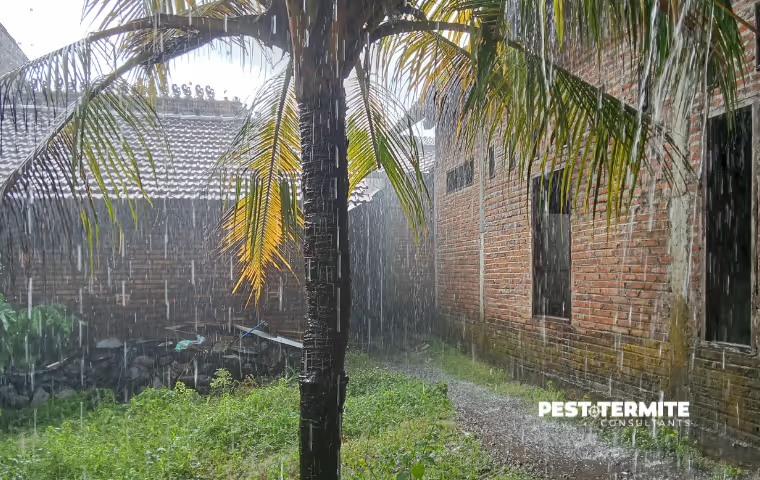
Moisture is one of the biggest attractants for spring pests in Wilmington. Rain, humidity, and poor drainage create ideal conditions for insects and rodents alike.
Some helpful steps to address moisture issues include:
- Fixing leaks promptly
- Directing downspouts away from the foundation
- Improving crawlspace ventilation
- Reducing standing water after rain
Managing moisture will make your home far less attractive to pests.
Clean Up Landscaping and Yard Debris
Spring yard work can help reduce pest pressure, but it can also make things worse if done incorrectly.
Here are a few spring yard work tips to help limit pest activity:
- Keep mulch and soil away from siding
- Remove leaf piles and debris near foundations
- Trim vegetation away from your home
- Avoid wood to soil contact
Many pests nest outdoors and move inside once conditions shift and activity increases, which is why it pays to deter them early.
Be Aware of Early Pest Warning Signs
The early signs of pest problems are often subtle and easy to miss.
Watch for:
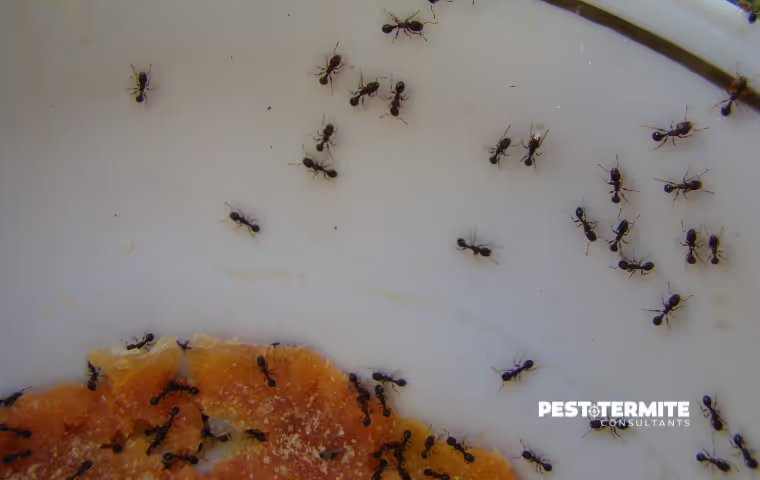
- Ant trails that appear and disappear
- Increased insect activity near doors or patios
- Cockroaches in garages or crawlspaces
- Scratching sounds in walls or ceilings
- Mud tubes or discarded wings near foundations
Catching these signs early helps homeowners take action before pest problems spread through the house.
Why DIY Prevention Helps but Is Not Enough
DIY steps play an important role, but they rarely address the full scope of pest pressure. Outdoor pest populations, hidden nesting areas, and seasonal behavior changes all call for ongoing monitoring.
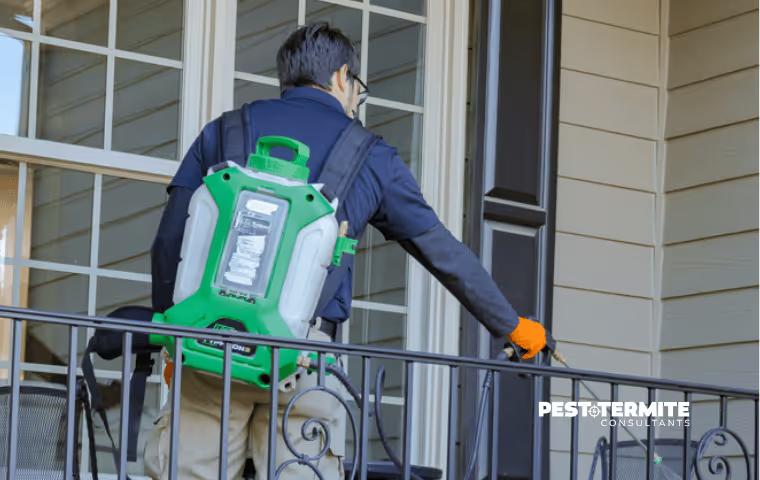
Professional home pest control in Wilmington focuses on reducing outdoor pest pressure, identifying risk factors, and adjusting protection as conditions change. Many homeowners search for how to get rid of spring pests only after they notice activity increasing, but the best prevention starts well before that point.
How Ongoing Pest Control Supports Spring Prevention
Consistent Wilmington pest control helps:
- Monitor changing pest behavior
- Reinforce entry point protection
- Address moisture related issues
- Reduce repeat infestations
- Limit the need for indoor treatments
Prevention is more effective and far less disruptive than treating pest problems after the fact.
Spring Pest FAQs in Wilmington
When do spring pests become active in Wilmington?
Often late winter or early spring as temperatures and moisture levels increase.
Are ants usually the first spring pests?
Yes. Ants are often the earliest sign of spring pest activity.
Does rain increase pest problems?
Yes. Rain displaces pests and pushes them toward homes.
Can clean homes still have pest problems?
Yes. Pests are attracted to moisture and entry points, which can be present in any home.
Is spring the best time for pest control?
Yes. Early prevention limits the growth of pest populations.
Do crawlspaces attract pests?
Yes. The moisture and shelter found in crawlspaces make them common entry areas.
Are DIY methods enough to stop spring pests?
DIY steps help, but professional pest control provides stronger protection.
Why do pests keep coming back each year?
The underlying conditions causing pest problems were never fully addressed.
Does prevention cost less than treatment?
Yes. Preventative pest control services reduce infestations and repairs.
When should I call for pest control?
For the best protection, pest control should start before pests start finding their way indoors.
Stay Ahead of Spring Pests in Wilmington
Spring pest problems are easier to prevent than they are to remove. By sealing entry points, managing moisture, staying alert to early warning signs, and relying on professional pest control for complete protection, Wilmington homeowners can reduce pest pressure before infestations grow.
Ongoing home pest control in Wilmington protects you from infestations and eliminates the stress of reacting after pest problems appear. For help protecting your home from pests this spring, call (910) 707-3830 to schedule a pest control service in Wilmington.