The Pests North Myrtle Beach Homeowners Mistake for Seasonal Nuisances
Pest Activity That Looks Seasonal Rarely Is
It's easy for North Myrtle Beach homeowners to write off pest activity as something tied to the calendar. A few ants show up in the spring. A cockroach turns up after a hard rain. Someone hears scratching in the attic when the weather cools. Because these encounters seem to line up with the seasons, it's tempting to assume they'll pass on their own.
Most of the time that's not what's actually happening. Pests that seem to appear and disappear are usually active the whole time, just out of sight. Colonies build quietly indoors and out, and what looks like a one time visitor is often evidence of an established population. Knowing which pests get dismissed as seasonal helps homeowners step in before a minor nuisance turns into a repair bill.
Ants Don't Actually Take a Season Off
Ants are probably the most commonly dismissed pest along the Grand Strand. Homeowners notice a trail on the kitchen counter in warm weather and assume it will disappear once temperatures drop.
What's really going on is different. Ant colonies stay active underground or inside wall voids, especially in a coastal climate like ours where moisture rarely lets up for long. If ants are showing up indoors, there's almost always a colony established somewhere close by, sometimes right against the foundation.
Homeowners searching for how to get rid of ants often reach for a surface spray first, but that rarely solves anything long term. Without treating nesting sites, sealing entry points, and reducing moisture, ants come back season after season, often in larger numbers than before.
Regular home pest control in North Myrtle Beach keeps ants from re-establishing by targeting the source instead of just the ants you can see.
Termites Don't Have a Short Season Either
Termites get misread for a similar reason. Homeowners tend to associate them with swarm season, and when winged termites show up near a window or door frame, it's easy to assume the problem just started.
It didn't. Termites stay active below ground all year, and a swarm is a sign of a mature colony, not a new one. By the time swarmers appear, termites may have already been feeding on structural wood for months without anyone noticing.
Because the damage happens out of sight, termites end up being one of the costliest pest problems a homeowner can face. That's why ongoing termite protection in North Myrtle Beach relies on inspection and monitoring rather than waiting for visible signs.
Cockroaches Aren't Just Occasional Visitors
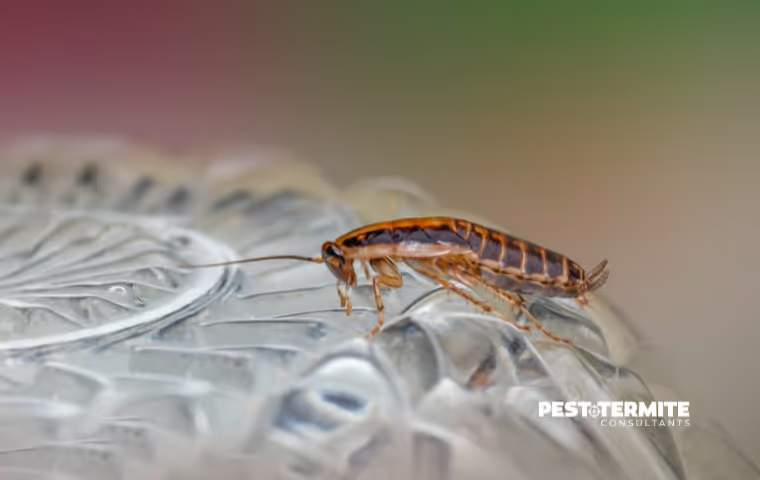
Cockroaches get treated as outdoor pests that wander in during a heat wave or a heavy storm. It's true they live outdoors, but repeated indoor sightings usually point to something bigger. Damp crawlspaces, gaps around the foundation, and plumbing penetrations all give roaches an easy path inside, especially in older homes near Little River and other established neighborhoods.
When roaches get written off as a rain day nuisance, the outdoor population keeps growing and keeps pushing indoors whenever conditions shift. Ongoing cockroach control in North Myrtle Beach cuts down outdoor pressure so indoor sightings stop repeating.
Rodent Problems Don't Resolve Themselves
Mice and rats tend to get noticed during seasonal transitions, when homeowners hear scratching in the attic or find droppings in a cabinet and assume it will settle down once the weather stabilizes.
It won't. Once rodents get inside, they look for a place to nest, a food source, and shelter, and they don't leave voluntarily. A single mouse sighting usually means there are more you haven't seen yet. This matters even more for vacation rental and second home owners near Cherry Grove and along the coast, where a property can sit unoccupied for stretches and give rodents time to settle in undisturbed.
Because rodents reproduce fast and chew through insulation, wiring, and structural materials, catching the problem early through home pest control that includes rodent monitoring keeps repair costs from climbing.
Why Seasonal Thinking Leads to Bigger Pest Problems
Treating pests as seasonal creates gaps in protection. When service gets delayed or skipped, pests take advantage of weakened barriers and come back stronger the next time conditions favor them.
In North Myrtle Beach, coastal humidity and mild winters keep pests active far longer than most people expect. What looks seasonal is usually just activity that becomes visible at certain points in the year, not activity that starts and stops with the weather.
What Ongoing Pest Control Actually Prevents
Preventative pest control reduces pressure before an infestation has a chance to take hold. That typically includes:
- Monitoring common entry points around the foundation and roofline
- Reducing outdoor populations before they move indoors
- Addressing moisture sources that attract pests in the first place
- Catching early signs of activity before they spread
- Adjusting treatment as seasons and conditions change
Pairing general pest protection with termite monitoring and rodent control gives North Myrtle Beach homes more complete, consistent coverage.
Seasonal Pest Control FAQs
Why do pests keep coming back each year?
The problem usually wasn't fully resolved the first time. What looks like a new seasonal sighting is often the same established population resurfacing.
Are ants ever just a temporary problem?
Rarely. Ant activity almost always points to a colony nearby, not a passing group of stragglers.
Do termites go dormant?
No. Termites stay active below ground all year, even through the winter months.
Are cockroaches common in coastal homes?
Yes, they're common along the coast, but repeated indoor sightings mean it's time for preventative treatment, not just an occasional spray.
Does seeing one rodent mean there are more?
Usually. Rodents rarely show up alone, and one sighting often means a nest is already established nearby.
Can DIY treatments solve seasonal pest issues?
DIY methods can knock down visible activity for a while, but they rarely stop pests from returning.
Why do pests show up after it rains?
Rain floods outdoor hiding spots and pushes pests toward drier shelter, which is often the nearest home.
Is year-round pest control necessary?
Yes. Coastal conditions here support pest activity all year, not just during warm months.
Does prevention cost less than reacting later?
Yes. Preventative service is almost always less expensive than repairing the damage an established infestation leaves behind.
When is the best time to start pest control?
Before activity becomes obvious. Waiting until pests are visible usually means a colony has already had time to grow.
Stop Treating Pests as Seasonal Problems
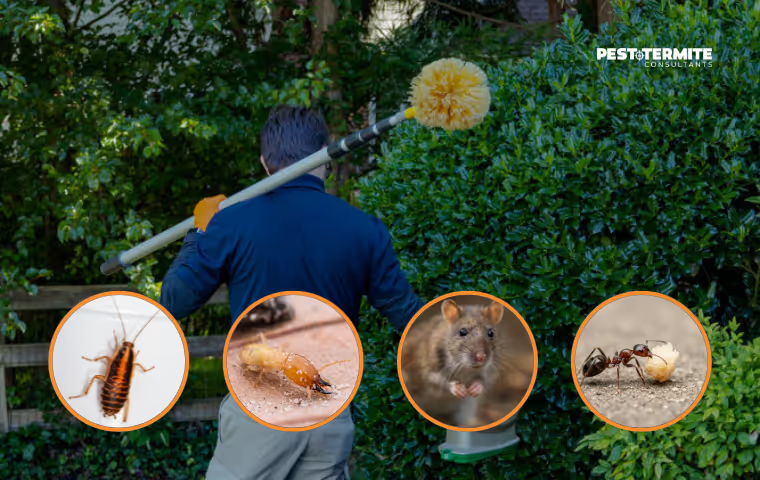
Many pests in North Myrtle Beach aren't seasonal at all. They stay active year round and only become noticeable when the weather changes enough to push them into view. Treating ants, termites, cockroaches, and rodents as temporary nuisances just gives them time to spread and cause real damage.
Consistent home pest control, along with termite monitoring and rodent control, helps stop repeat infestations and protects your home for the long run. Staying proactive is what keeps a small pest issue from turning into a major one. Call (854) 588-7770 to schedule an inspection with Pest & Termite Consultants.