What Fuquay-Varina Homeowners Should Check Before Termite Season Peaks

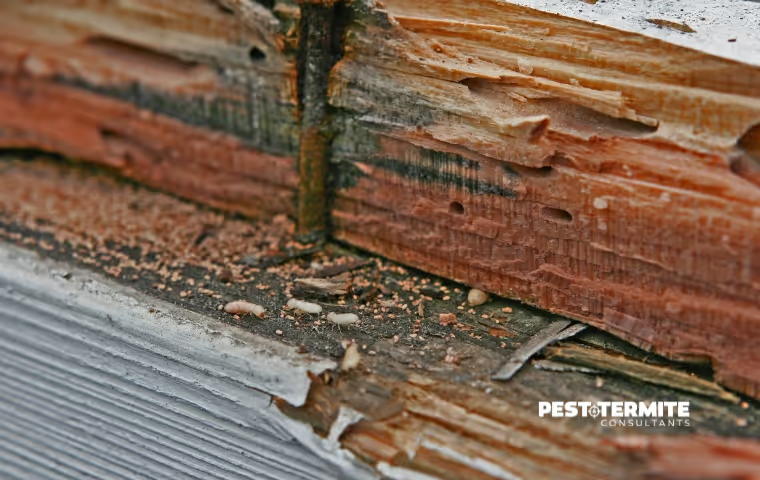
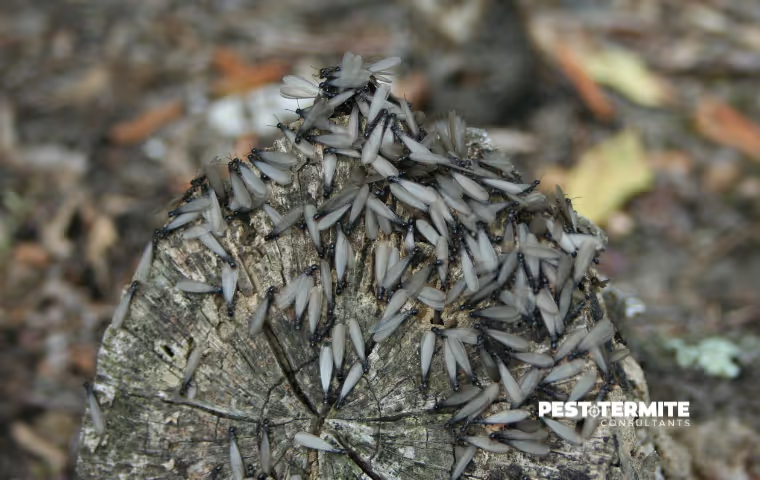
Termite season in North Carolina often catches homeowners off guard. By the time swarmers appear, termite activity has usually been building for months. Homes in Fuquay-Varina, along with nearby areas like Holly Springs, Angier, and Lillington, face increased risk due to high moisture levels, crawlspaces, and seasonal weather patterns.
Taking time to inspect your home before peak termite season can help you identify risk factors early and reduce the chance of costly damage.
Why Pre-Season Termite Checks Matter
Subterranean termites remain active below ground throughout much of the year. As soil temperatures rise in the spring, colonies expand and increase feeding activity.
By the time swarmers appear:
- Colonies are already established
- Termites may have been feeding for months
- Structural wood may already be damaged
Following a pre-season checklist can help you address the conditions that attract termites before activity escalates in the spring.
Check for Wood-to-Soil Contact
One of the most common termite risk factors in Fuquay-Varina is direct wood-to-soil contact. Termites use soil as a pathway to reach wood while staying protected and out of sight.
Inspect and address wood-to-soil contact around:
- Deck posts and supports
- Wooden siding near the ground
- Fence lines connected to your home
- Steps or structural wood touching soil
Even small contact points can provide termites with easy access to your home.
Evaluate Mulch and Landscaping
Mulch retains moisture and creates a favorable environment for termites. While mulch is commonly used in landscaping, improper placement can increase risk.
When evaluating your property, look for:
- Mulch piled against siding
- Thick layers of mulch near your foundation
- Landscaping that traps moisture against your home
Keep mulch a few inches away from structures and avoid excessive buildup.
Identify Moisture Issues Around Your Home
Moisture is one of the biggest factors that attracts termite activity. Homes in Fuquay-Varina, Holly Springs, Angier, and Lillington often deal with spring rain and humidity that can create the ideal conditions for termites.
Look for:
- Standing water near your foundation
- Leaking outdoor faucets or plumbing
- Poor drainage in low areas of your yard
- Damp crawlspaces or condensation
Reducing moisture helps limit the conditions termites need to survive.
Inspect Crawlspaces and Foundations
Crawlspaces are one of the most common starting points for termite infestations. These areas often provide the moisture and shelter that termites need.
During your inspection:
- Look for mud tubes along foundation walls
- Check for damp or soft wood
- Ensure vents are not blocked
- Confirm vapor barriers are in place
Regular monitoring helps catch the early signs of termites before damage spreads.
Seal Entry Points Around Your Home
Termites can enter through small cracks in foundations or gaps around utility lines.
Check for:
- Cracks in concrete or brick
- Gaps around pipes and wiring
- Openings near crawlspace access points
Sealing these areas helps reduce the access points available to termites.
Schedule a Professional Termite Inspection
Even thorough homeowner inspections can miss hidden activity. Scheduling a termite inspection in Fuquay-Varina helps identify early warning signs and risk factors that are not always visible.
Professional inspections focus on:
- Detecting termite activity
- Identifying conducive conditions
- Evaluating structural risk areas
- Recommending preventative solutions
Why Early Termite Control Matters
Preventative termite control in Fuquay-Varina helps stop colonies before they grow and spread. Early treatment is less disruptive and more effective than addressing damage after it occurs.
Ongoing protection helps:
- Reduce termite access points
- Monitor for new activity
- Protect structural wood
- Prevent repeat infestations
Fuquay-Varina's FAQs About Termite Season
When does termite season peak in Fuquay-Varina?
Termite activity typically peaks when swarm season begins in the spring.
Do termites stop being active in winter?
No. They remain active all year round below ground.
Is mulch always a termite risk?
Not always, but mulch can increase termite risk if placed improperly or too close to the home.
What are mud tubes?
They are thin, brown tunnels that termites use to travel between soil and wood.
Can termites enter through small cracks?
Yes. Even small openings can provide termites access to homes.
How often should termite inspections be scheduled?
Professional inspections should be performed at least once per year.
Is prevention more effective than treatment?
Yes. Early termite prevention reduces both damage and costs.
Prepare Your Home Before Termite Season Peaks
Termite problems often begin long before homeowners notice any warning signs. By following this comprehensive pre-termite season checklist, you can lower your risk before peak season begins.
Scheduling regular termite inspections and maintaining consistent termite control helps protect homes from hidden termite activity. For help preparing your home for termite season, call (919) 275-9555 to schedule a termite inspection in Fuquay-Varina.