What High Humidity Does to Pest Activity Around Wilmington Homes
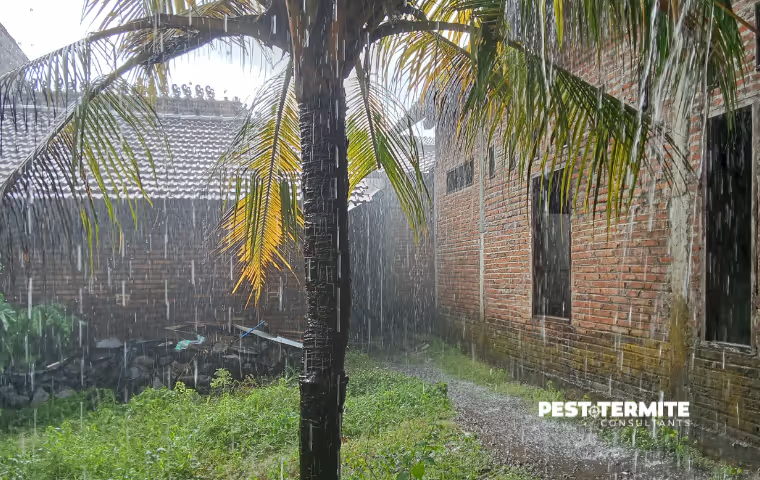
Humidity is simply a fact of life along the North Carolina coast. In Wilmington, Carolina Beach, and Wrightsville Beach, moisture levels stay elevated through much of spring and summer. Homeowners usually associate humidity with discomfort outdoors, but it also plays a major role in pest activity around the house.
High humidity creates favorable conditions for many of the pests Wilmington homeowners deal with most, including ants, cockroaches, and termites. Understanding the connection between moisture and pest pressure can help you take action before an infestation gets established.
What Humidity Means for Pest Survival
Like any living creature, pests need access to water, and humid conditions supply the moisture that helps many insects thrive and reproduce.
High humidity can:
- Extend pest survival rates
- Increase breeding success
- Support colony growth
- Create favorable nesting conditions
- Encourage pests to move closer to homes
As humidity rises, pest activity around the property typically rises with it.
How Humidity Impacts Ant Activity
Ants depend heavily on moisture. During humid stretches, colonies often expand faster and step up their foraging.
This results in:
- More visible ant trails
- Heightened activity around kitchens and bathrooms
- Increased movement near foundations and crawlspaces
- Expansion of outdoor colonies
When moisture stays high, ants can establish reliable food and water sources around a home more easily, which is why it pays to address moisture issues early and invest in ant control in Wilmington before colony populations surge.
Why Cockroaches Thrive in Humid Conditions
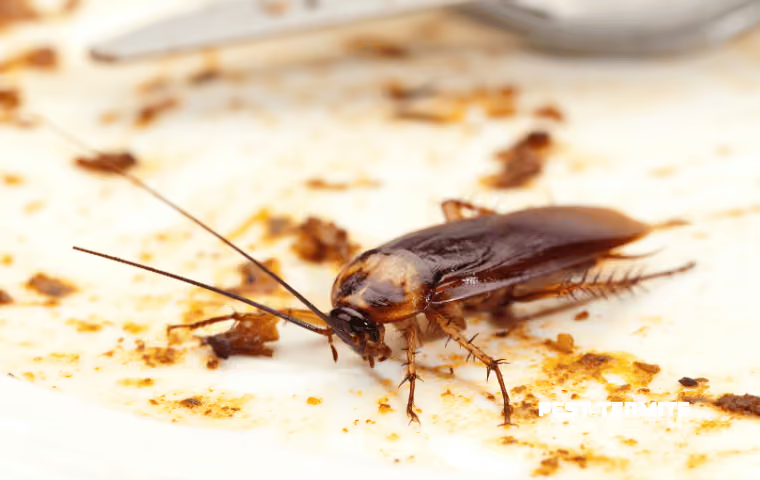
Cockroaches are one of the pests most closely tied to moisture. High humidity helps them avoid dehydration and creates hiding spots they favor.
Roaches are often drawn to:
- Damp crawlspaces
- Moist utility rooms
- Areas around plumbing leaks
- Garages with poor ventilation
In Wilmington's coastal climate, humidity can sustain cockroach populations through much of the year. Moisture management paired with cockroach control in Wilmington helps lower the risk of these pests coming indoors.
How Humidity Supports Termite Activity
Termites require moisture to survive. Subterranean termites draw much of their moisture from the soil, but humid conditions still help support their movement and colony development.
High humidity can contribute to:
- Damp crawlspaces
- Moist wood around the home
- Increased termite activity near foundations
- Conditions that support colony growth
This is one reason termite pressure remains a concern throughout coastal North Carolina. Regular termite inspections in Wilmington help monitor for moisture and other termite attractants before costly damage sets in.
Crawlspaces Often Become Pest Hotspots
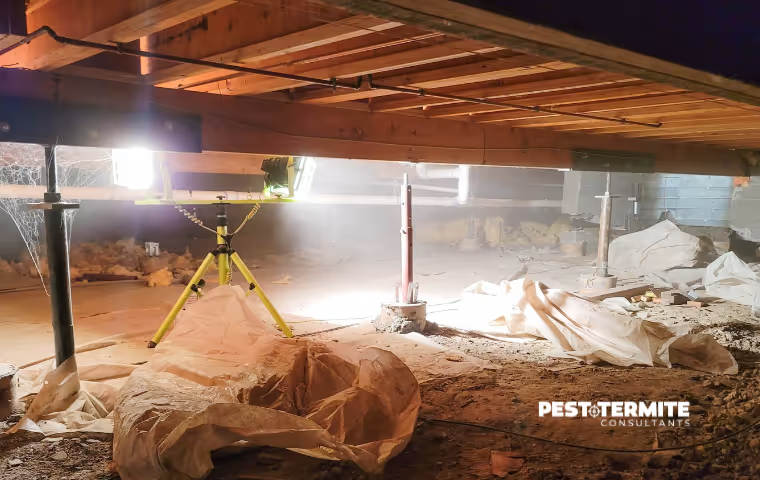
Crawlspaces are usually one of the most humid areas around a home. When moisture builds up, they can attract ants, cockroaches, termites, and other moisture-seeking pests.
Poor ventilation, plumbing leaks, and inadequate drainage all contribute to elevated humidity levels below the home.
Summer Humidity Adds to Pest Pressure
As temperatures climb, humidity and pest activity tend to rise together.
This combination can lead to:
- More frequent indoor sightings
- Larger pest populations
- Increased nesting activity
- Greater pressure around foundations and entry points
Many homeowners notice more pest activity during summer without realizing moisture is a major contributing factor.
How to Reduce Moisture Around Your Home
Reducing humidity and excess moisture helps make a property less attractive to pests.
To address moisture issues, consider:
- Repairing plumbing leaks promptly
- Cleaning gutters regularly
- Improving drainage around your foundation
- Using vapor barriers in crawlspaces
- Ensuring crawlspace vents function properly
- Reducing standing water around your yard
These steps help limit the conditions many pests depend on to survive.
Moisture Management Supports Long-Term Pest Control
Effective humidity pest control in Wilmington focuses on more than eliminating pests you can see. Reducing moisture addresses one of the root causes of recurring infestations.
When humidity levels are managed:
- Ant activity becomes easier to control
- Roach populations have fewer favorable hiding spots
- Termite-conducive conditions decrease
- Pest prevention becomes more effective overall
Moisture management and pest control work best together to protect coastal homes.
FAQs About Humidity and Pest Control in Wilmington
Does humidity really increase pest activity?
Yes. Many pests rely on moisture for survival and reproduction, so higher humidity generally means more activity.
Why are ants more active during humid weather?
Humidity supports colony growth and increases foraging activity around the property.
Do cockroaches prefer humid environments?
Yes. Roaches thrive in damp, moisture-rich conditions and often seek them out.
Can humidity contribute to termite problems?
Yes. Moist conditions help support termite activity and survival near the home.
Why are crawlspaces common pest areas?
Crawlspaces often retain moisture and provide shelter, which makes them attractive to several pest species.
Can reducing moisture help prevent infestations?
Yes. Moisture reduction is one of the most important parts of pest prevention.
Is humidity a bigger issue in coastal areas?
Yes. Coastal communities like Wilmington experience higher moisture levels for most of the year.
Don't Overlook the Role of Humidity
In Wilmington and the surrounding communities, humidity does more than affect comfort levels outdoors. It helps create the conditions that let ants, cockroaches, termites, and other pests thrive.
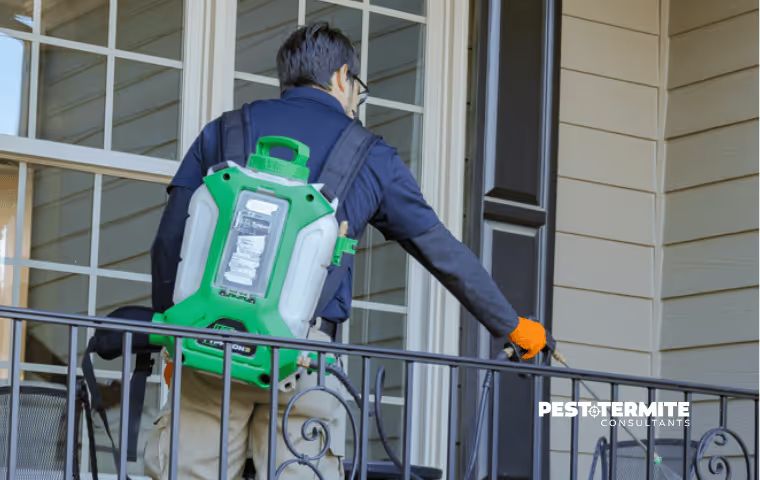
A proactive approach to pest control in Wilmington includes addressing moisture issues before they lead to larger pest problems. By reducing excess humidity and watching for early signs of activity, homeowners can better protect their homes from pest pressure year round.
For help managing pest activity around your home, call (910) 707-3830 to schedule service in Wilmington.