
What Raleigh Homeowners Should Know About Spring Termite Activity
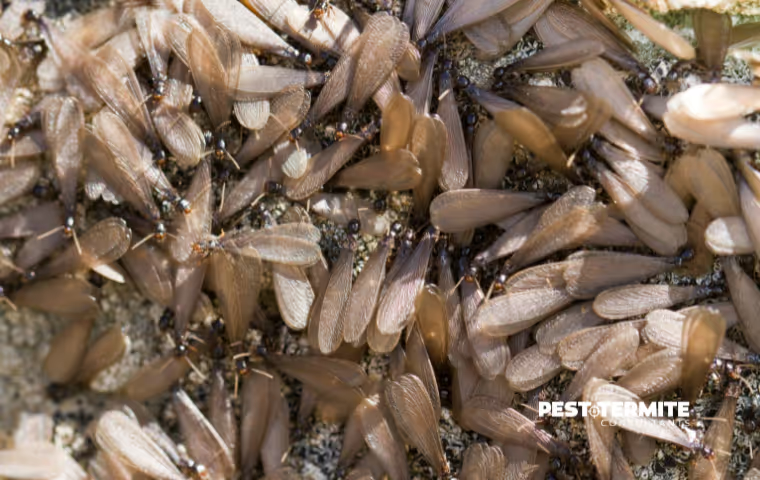
It's cold now, but Spring is coming soon and it is one of the most important times of year for termite awareness in Raleigh. As temperatures rise and soil moisture increases, termites become more active and begin expanding their colonies. Unfortunately, much of this activity happens out of sight, which is why termite problems are often discovered later than other pest issues.
Understanding how spring conditions affect termites can help you take action early and reduce the risk of costly damage.
Why Spring Increases Termite Activity in Raleigh
Termite activity follows environmental conditions more than the calendar. In Raleigh, spring creates the ideal conditions for subterranean termites to move, feed, and grow.
Key factors that lead to increased spring termite activity include:
- Warming soil that allows termites to travel more easily
- Increased moisture from spring rain
- Damp crawlspaces and shaded areas around foundations
- Wood-to-soil contact near the home
These conditions allow termites to remain active and undetected as colonies expand and wreak havoc.
Why Termites Are Active Before You See Them
Many homeowners associate termites with swarmers, but swarmers are not the beginning of the problem. These flying termites are actually a sign of an existing termite problem in or around your home.
Before any visible signs appear, termites may be:
- Feeding inside structural wood
- Traveling through soil and mud tubes
- Active behind walls or under flooring
Because termites work quietly, damage can develop behind the scenes for months without obvious warning.
Common Signs of Spring Termite Activity
Spring termite activity is often very subtle. Homeowners may miss these early warning signs:
- Mud tubes along foundations or crawlspaces
- Soft or hollow-sounding wood
- Discarded wings near windows or doors
- Doors or windows that suddenly stick
- Small cracks appearing in drywall
These signs usually indicate termites have already been active for some time.
Why Raleigh Homes Are Vulnerable to Termites
Raleigh’s temperate subtropical climate supports ongoing termite pressure. Many homes have crawlspaces, tree coverage, and moisture conditions that support termite activity. Mild winters also allow termites to remain active below ground instead of dying off. All of these factors put Raleigh homes at risk for termite infestations.
Since termites are so common in this region, ongoing termite monitoring and prevention is essential for homeowners.
Why Waiting Until Swarm Season Is Risky
The start of swarm season often prompts homeowners to look into termite control, but waiting until swarmers appear puts your home at risk and limits your options. By the time you see swarmers, termites may already be causing costly damage.
Proactive termite inspections and monitoring in Raleigh are a key part of effective termite control, helping to identify risk factors and early activity before repairs are needed.
How Professional Termite Services Help in Spring
Spring is an ideal time to evaluate termite risk and take preventative steps. Professional termite control in Raleigh focuses on long-term protection rather than reacting after damage is done.
Professional termite control helps by:
- Identifying conducive conditions
- Monitoring for early activity
- Reducing moisture and access points
- Preventing colonies from expanding
If you are wondering how to prevent termites and avoid the damage they cause, consistent termite monitoring and prevention is the answer.
DIY Steps to Reduce Spring Termite Risk
Homeowners in Raleigh can help reduce termite risk by:
- Keeping wood away from soil
- Directing water away from foundations
- Fixing leaks promptly
- Maintaining proper crawlspace ventilation
- Avoiding mulch buildup near siding
These steps support prevention but do not replace professional inspections and treatments.
Spring Termite FAQs
When does termite activity increase in Raleigh?
Raleigh typically sees a rise in termite activity in early spring.
Do termites stop being active in winter?
No. Termites are a year-round threat in North Carolina.
Are newer homes protected from termites?
No. New construction does not deter or prevent termites.
Are swarmers the first sign of termites?
Seeing swarmers is often the first clear sign of an established termite colony.
Is termite damage covered by insurance?
Most insurance policies do not cover termite damage.
How often should termite inspections be scheduled?
Termite inspections should be performed at least once per year.
Can DIY treatments eliminate termites?
DIY methods may help reduce activity but are not a reliable way to eliminate termite infestations.
Does moisture increase termite risk?
Yes. Moisture is one of the main attractants for termites.
Is prevention more affordable than repairs?
Yes. Investing in termite control before termites become a problem costs far less than structural repairs.
When should termite control begin?
For the most complete protection, homeowners should start termite control before visible warning signs or swarmers appear.
Protect Your Raleigh Home Before Termite Damage Starts
Spring termite activity often begins long before homeowners notice a problem. By understanding how termites behave and why spring conditions increase termite risk, you can take action early and protect your home.
Proactive termite control treatments reduce your risk of termite damage and provide peace of mind. If you want to stay ahead of spring termite activity, call (919) 246-8831 to schedule a termite inspection for your Raleigh home.


