What Early Termite Activity Looks Like in Wilmington Homes

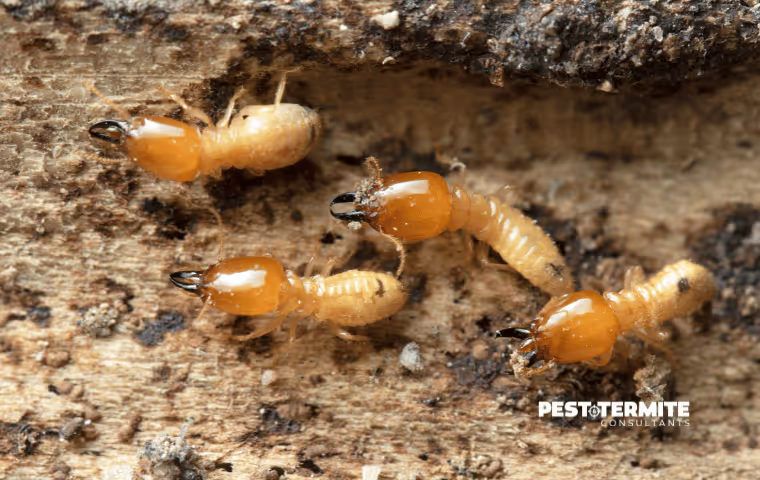
Termite damage rarely announces itself with a dramatic warning. In many homes, activity develops quietly for months, sometimes years, before a homeowner notices anything unusual. Along coastal areas like Wilmington, Wrightsville Beach, and Kure Beach, warm temperatures and high moisture keep termites active for much of the year.
The good news is that termites usually leave subtle clues before major structural problems show up. Knowing what early termite activity looks like can help you address issues sooner and focus on prevention instead of expensive repairs later.
Why Early Termite Activity Is Easy to Miss
Subterranean termites spend most of their time hidden underground or inside wood. Unlike many household pests, they avoid open areas and rarely make themselves obvious.
Because of this:
- Damage develops gradually
- Activity often stays inside walls or crawlspaces
- Visible signs can seem minor at first
This is why many homeowners overlook early termite damage signs in Wilmington until activity becomes more advanced.
Mud Tubes Along Foundations or Crawlspaces
One of the most common early termite indicators is the appearance of mud tubes. These narrow tunnels are built from soil and saliva and let termites travel safely between the ground and wood sources.
Mud tubes are often found:
- Along foundation walls
- Inside crawlspaces
- Near support piers
- Around cracks in concrete
They can look harmless at a glance, but they are often one of the clearest signs that termites are active nearby.
Wood That Feels Soft or Sounds Hollow
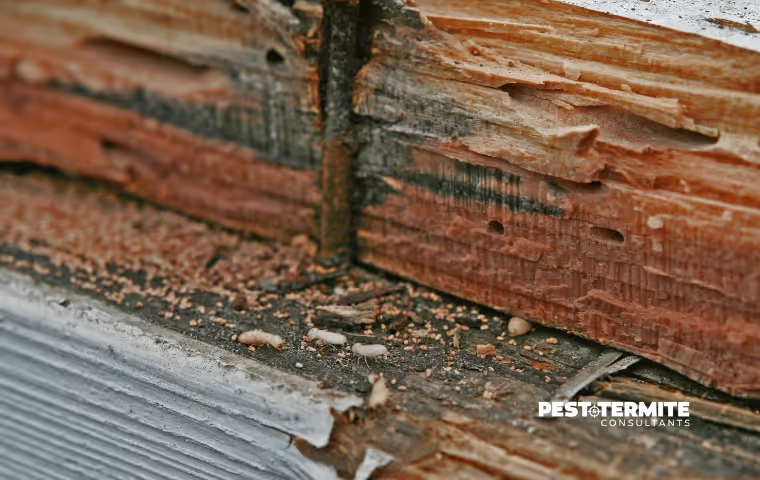
Termites feed on wood from the inside out, leaving the surface intact while weakening the structure underneath.
Early signs of termite damage may include:
- Baseboards that feel soft
- Wood that sounds hollow when tapped
- Slightly uneven flooring
- Minor sagging in certain areas
These subtle changes are easy to mistake for normal aging or moisture damage.
Doors and Windows That Suddenly Stick
As termites damage wooden structures, slight warping can occur. Homeowners may notice doors becoming harder to close, windows sticking unexpectedly, or changes in alignment around frames.
Humidity can also affect wood movement, but these issues sometimes point to hidden termite activity worth investigating.
Discarded Wings Near Windows or Doors
During swarm season, termites release winged reproductive members called swarmers. After landing, these insects shed their wings before trying to start new colonies.
Small piles of wings near windowsills, doorways, or light fixtures can point to termite activity nearby, even if no live insects are visible.
Why Coastal Homes Face Greater Risk
Homes in Wilmington, Wrightsville Beach, and Kure Beach often deal with high humidity, damp crawlspaces, frequent rain, and moisture near foundations. These conditions help termites survive and expand more easily, so even small moisture issues can raise the odds of termite activity.
Why Prevention Matters More Than Waiting for Damage
Many homeowners only take action once visible structural damage appears. Unfortunately, by that point, a colony may already be well established.
Learning how to prevent termites is more effective than waiting for obvious signs.
Preventative steps include:
- Reducing moisture around the home
- Keeping mulch and wood away from siding
- Repairing leaks quickly
- Maintaining crawlspace ventilation
- Scheduling regular termite inspections
These steps help reduce the conditions termites rely on to thrive.
How Professional Termite Control Helps
Professional termite control in Wilmington focuses on identifying early activity and protecting homes before major damage occurs.
Preventative termite services help:
- Detect hidden activity early
- Monitor high-risk areas
- Reduce conducive conditions
- Protect structural wood long term
This proactive approach matters especially in coastal environments where termite pressure stays high.
Frequently Asked Questions About Early Termite Activity
Do termites always cause visible damage right away?
No. Damage often develops inside wood before it becomes noticeable from the outside.
What do termite mud tubes look like?
They appear as narrow, dirt-colored tunnels running along surfaces like foundations and piers.
Are discarded wings a warning sign?
Yes. Wings usually point to swarmers and nearby termite activity.
Does soft wood always mean termites?
Not always, but it is worth inspecting, especially if accompanied by other signs.
Why are coastal homes more vulnerable to termites?
The moisture and humidity common in coastal areas create favorable conditions for termite activity.
How often should termite inspections be scheduled?
Annual inspections are recommended for most homes.
Is prevention more effective than repairing damage?
Yes. Early prevention helps homeowners avoid costly structural repairs down the road.
Watch for the Small Signs Before Bigger Problems Develop
Termite activity in Wilmington, Wrightsville Beach, and Kure Beach often begins quietly. Small warning signs like mud tubes, discarded wings, or soft wood can appear long before major structural damage becomes obvious.
Recognizing early signs of termite damage and maintaining professional termite control helps homeowners stay ahead of the problem.
For help protecting your home from termite activity, call (910) 707-3830 to schedule a termite inspection in Wilmington.