Why Roaches Keep Showing Up Inside Wilmington Homes in Fall

Roaches are easy to dismiss once summer fades. The heat breaks, outdoor activity slows down, and it feels like pest pressure should follow. Around Wilmington, the math doesn't work out that way. The warm, humid conditions that make this stretch of coastal North Carolina so inviting also make it comfortable for cockroaches, and the arrival of October doesn't flip a switch on that.
What fall actually does is change where roaches want to be, not whether they're active. If you've been seeing them indoors more often as the weather cools, that's not a coincidence. It's a pattern we see regularly in homes throughout Wilmington, Leland, Castle Hayne, Monkey Junction, and the surrounding communities this time of year.
Why Roaches Don't Disappear When Summer Ends
The coastal climate near Wilmington means that fall temperatures stay mild well into November most years. Cockroaches go dormant only when it gets consistently cold, and "cold" for a roach is closer to freezing than to a crisp October evening. In the meantime, they're still feeding, reproducing, and looking for shelter.
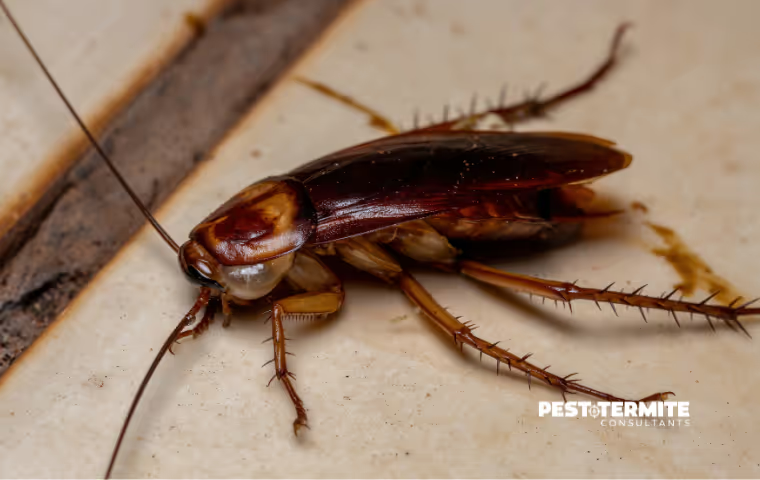
American cockroaches and German cockroaches, the two most common roach species in coastal NC, are both capable of thriving indoors year-round. They rely on humidity and moisture, and Wilmington homes provide plenty of it. Crawlspaces, under-sink cabinets, utility rooms with water heaters, and kitchens with older plumbing all stay damp enough to support cockroach populations through the fall and into winter without any help from the weather outside.
The other factor worth knowing: roach populations don’t reset between seasons. Egg cases laid in late summer are hatching right now, and those new nymphs will grow into adults through the fall months. So the number of roaches in wall voids or crawlspace is often larger in October than it was in the summer, not smaller.
Why You See More of Them Inside Once It Cools Down
Roaches that spent the summer living in mulch beds, wood piles, leaf litter, and crawlspaces start looking for more stable shelter as outdoor temperatures become unpredictable. That search almost always leads them indoors. Roaches are drawn to homes by moisture, food, warmth, and shelter, and those trails often lead through gaps at pipe penetrations, weep holes in brick, gaps under exterior doors, and cracks where siding meets the foundation.
Once they're inside, they tend to spread out from a few core areas: crawlspaces, kitchens, and bathrooms. Seeing a cockroach or two during the day is often a sign that the population behind the walls has grown large enough that roaches are being pushed out into the open. A single roach crossing your kitchen floor in broad daylight usually means there are more you're not seeing.
Homes that have crawlspaces with moisture issues or aging vapor barriers tend to show this pattern more than others. Roaches that get established in a damp crawlspace in the summer often become an indoor problem by the time fall arrives.
Summer Roach Control vs. Fall Roach Control: What’s the Difference?
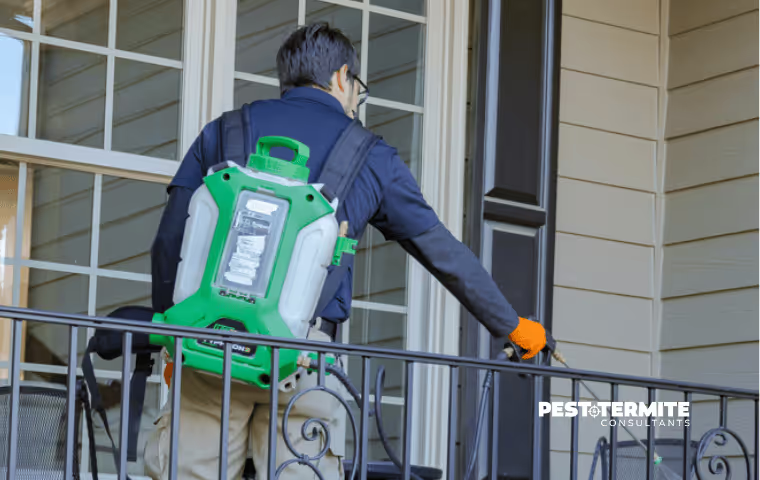
The approach to cockroach control in Wilmington that works in the summer, treating around the perimeter of the home and reducing outdoor attractants and harborage, becomes less effective in the fall because the roaches are already inside. Treatment needs to follow the population, and that means addressing where they're actually living.
Gel baits placed in harborage areas, targeted applications around crawlspace entry points, and inspections of plumbing access panels and utility rooms all become more important this time of year. The goal isn't just killing the roaches you can see. It's getting product into the spaces they’re hiding so that the population declines rather than retreating further into your walls.
That distinction matters because roaches are difficult to starve out or remove once they're established indoors. They eat a wide range of organic material, including cardboard, glue, and grease residue in kitchens. Cleaning helps slow them down, but won't resolve an active infestation on its own. That's where professional treatment makes all the difference, especially as we get into the months when cockroach populations are at or near their fall peak.
If roaches have been showing up in your Wilmington home and you're not sure where they're coming from, our team can inspect your house and identify the source. To get started, visit our contact page to schedule an inspection.
Fall Cockroach Control FAQs in Wilmington
Why am I seeing more roaches in October if I didn't have a problem all summer?
Populations that built up outdoors during the warmer months often move indoors as fall temperatures fluctuate. You may not have had a cockroach problem in your house during the summer because the roaches were finding food and shelter outside. Once conditions outside become less stable, they follow moisture, warmth, and food sources indoors. What looks like a new problem is usually a population that's been growing nearby all season.
Are the roaches I see in the fall different from the ones I see during the summer?
Not necessarily. American cockroaches are more likely to venture indoors during fall transitions. German cockroaches tend to stay inside year-round once they're established. If you're seeing large roaches suddenly appearing in your home this October, American roaches moving in from your crawlspace or an outdoor harborage area is a likely explanation.
Do I need to worry about roaches if I only see one or two?
Yes, seeing roaches in broad daylight is worth taking seriously. Cockroaches are nocturnal, so spotting one or two during the day can indicate a much larger population behind your walls, under appliances, or in your crawlspace. It's worth calling for an inspection rather than waiting to see if more appear.
Can I handle a fall roach problem myself with store-bought products?
Over-the-counter sprays can kill individual roaches on contact but often don't reach the harborage areas where the population is concentrated. In some cases, spraying repellent products in the wrong places causes roaches to scatter deeper into the home or into other rooms, which makes the problem harder to treat. Gel baits applied correctly in harborage zones tend to outperform sprays, but placement matters. A professional inspection helps identify where treatment should be applied for the best results.
How long does fall roach treatment take to work?
It depends on the size of the cockroach population and how established it is. Gel bait treatments typically show visible population reduction within two to three weeks as foraging roaches carry the bait back to harborage areas. Larger infestations may need a follow-up treatment. Our team can give you a clearer timeline after inspecting the specific conditions in your home.
Don't Wait To Address Cockroach Problems
The best time to address roach activity in your Wilmington home is before the population finishes its fall migration indoors. Once they're established inside, treatment takes longer and costs more than an early-season inspection would have. If you're already spotting roaches, that's not a sign it's too late. It's a sign to act now rather than let their numbers grow through the fall and winter. Reach out to schedule an inspection and we'll take a look at what's driving the cockroach activity in your home.