Why Roaches Show Up Indoors in North Myrtle Beach This July
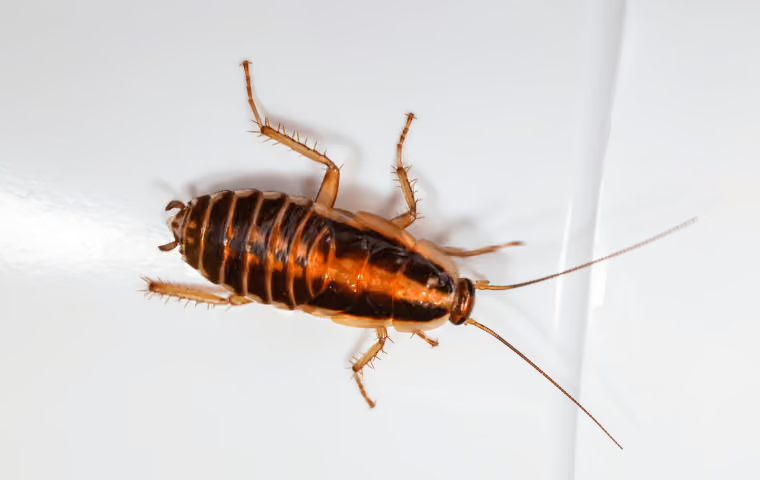
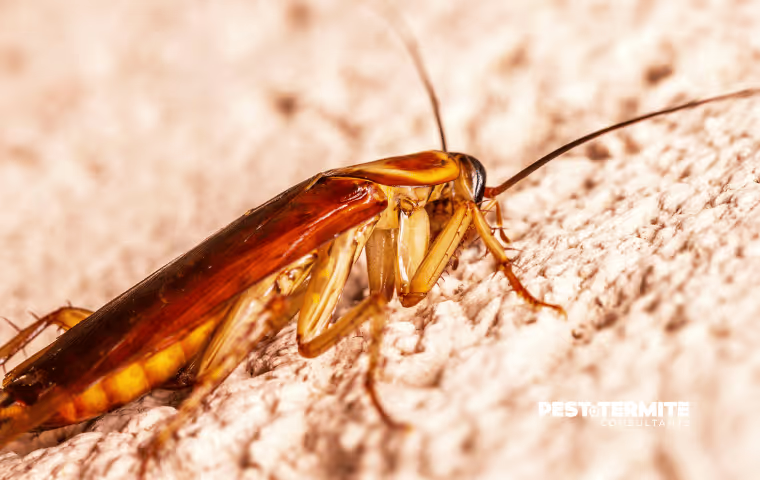
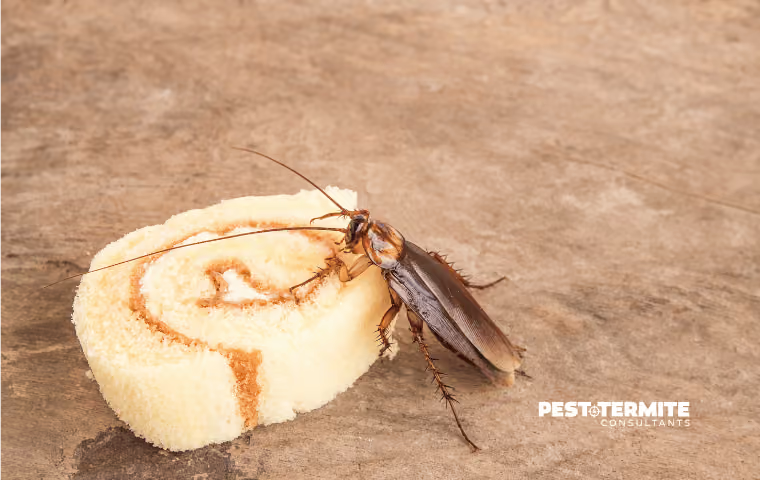
July is when a lot of North Myrtle Beach homeowners start seeing cockroaches indoors, sometimes for the first time all year. A roach on the kitchen counter late at night, or a repeat sighting near the bathroom, is enough to make anyone uneasy.
Across North Myrtle Beach, Atlantic Beach, and Crescent Beach, July brings a mix of heavy storms, high humidity, and damp crawlspaces that push roach activity from the yard into the house. Once you understand what's driving the shift, it's easier to catch the problem early instead of letting it become a summer-long infestation.
What Makes July Different for Roaches
By midsummer, outdoor cockroach populations have been building for months. Warm temperatures and steady moisture let colonies expand quickly, and by July they're often at their peak.
During this stretch:
- Outdoor roach numbers reach their highest point of the year
- Frequent storms disturb outdoor habitats
- Humidity stays high day and night
- Food and water become easier to find near homes
As outdoor pressure builds, more roaches start exploring the structures nearby, including yours.
How Summer Storms Push Roaches Toward Your House
Heavy rain is one of the main reasons homeowners notice more roaches in July. Storms can flood mulch beds, saturate the soil around the foundation, and wash out the hiding spots roaches normally use outdoors.
When that happens, a house with stable temperatures and reliable food and water becomes an appealing alternative, and roaches take advantage of it.
Damp Crawlspaces Are a Common Starting Point
Crawlspaces are one of the first places cockroach activity tends to show up. In North Myrtle Beach, Atlantic Beach, and Crescent Beach, crawlspaces often stay humid all summer because of coastal moisture, poor ventilation, plumbing leaks, and damp soil under the home.
These conditions give roaches a quiet place to hide, breed, and multiply well before anyone notices activity upstairs.
Kitchens and Bathrooms Draw Them In
Once inside, roaches head straight for food and moisture. Kitchens, bathrooms, laundry rooms, utility closets, and garages tend to be the first rooms affected because they offer water, warmth, and dark places to hide.
One Roach Rarely Means Just One Roach
Cockroaches are nocturnal and spend most of the day out of sight, so a single sighting inside the home is rarely an isolated event. Repeated indoor sightings usually point to an established population, growing outdoor pressure, or an easy entry point somewhere in the house.
Rather than waiting to see if it goes away, treat repeated sightings as an early warning. It's almost always easier to address roach activity while it's still limited than after it spreads through the home.
Moisture Keeps the Problem Going
Moisture is one of the biggest drivers of recurring roach activity. Leaking plumbing, condensation around pipes, standing water near the foundation, poor drainage, and damp crawlspaces all give roaches what they need to stay active. Cutting off these moisture sources makes a home far less appealing to them through the rest of the summer.
If You Manage a Rental Property
For vacation rental owners and property managers in North Myrtle Beach, July sightings carry an extra layer of concern. Guests checking in for a beach week don't want to find a roach in the kitchen, and a bad review can follow a property for a long time. Homes that sit empty between bookings, or that have crawlspace access rarely checked between guest turnovers, are especially prone to picking up activity unnoticed. Scheduling service between reservations helps catch problems before they show up in a guest's photos.
Why Store-Bought Sprays Rarely Solve It
Sprays picked up at the store can kill the roaches you see, but they don't do much for the ones hiding in the walls or crawlspace. DIY treatments miss harborage areas, don't touch outdoor populations, and typically offer relief that lasts a few days at best. Without addressing what's attracting roaches in the first place, sightings tend to continue.
What Professional Roach Control Actually Does
Professional cockroach control in North Myrtle Beach starts by identifying where roaches are entering, hiding, and breeding, not just where they're being seen. A thorough treatment plan reduces both indoor and outdoor populations, addresses moisture problem areas, treats common harborage spots, and helps prevent activity from returning as the summer goes on.
If you need to get rid of roaches in North Myrtle Beach, a professional visit gives you a more complete and longer-lasting result than repeated trips to the store for spray.
Summer Roach Control FAQs in North Myrtle Beach
Why do roaches become more common in July?
Warm temperatures, high humidity, and summer storms create ideal conditions for cockroach activity.
Can heavy rain force roaches indoors?
Yes. Flooded outdoor hiding places often drive cockroaches toward homes.
Why are crawlspaces attractive to cockroaches?
Crawlspaces provide moisture, shelter, and stable temperatures that support cockroach survival.
Does seeing one cockroach usually mean there are more?
Often, yes. Visible activity can indicate hidden cockroaches nearby.
Can humidity increase cockroach activity?
Yes. Cockroaches thrive in humid environments and seek out moisture-rich areas.
Will DIY sprays eliminate a cockroach infestation?
DIY sprays may reduce visible activity but often fail to eliminate the source of the problem.
When should I contact a professional roach exterminator?
Repeated indoor sightings or other signs of recurring activity are good reasons to schedule an inspection.
Address Roach Problems Before They Grow
If you've noticed more cockroaches around your home this July, it's a sign of the season, not a one-time event. Summer storms, high humidity, and damp crawlspaces across North Myrtle Beach, Atlantic Beach, and Crescent Beach create the perfect setup for roaches to move indoors and stay active.
Professional cockroach control identifies the source of recurring activity and provides lasting protection. For a trusted roach exterminator in North Myrtle Beach, call (854) 588-7770 to schedule your service today.