Why Termite Activity Does Not Stop Just Because Swarmers Are Gone
Termite swarm season gets most of the attention. Winged termites show up in the spring, homeowners notice them around windows and light fixtures, and phones start ringing. But once those swarmers disappear, many people assume the threat has passed for the year. It hasn't. Colonies don't stop feeding when swarming ends. They just get quieter, and that's actually when structural damage tends to accumulate the fastest. If you own a home in coastal South Carolina, understanding what termites are doing between swarms is the clearest reason to take termite monitoring in North Myrtle Beach seriously year round.
What Swarmers Actually Tell You (and What They Don't)
A termite swarm is a reproductive event, not the start of an infestation. By the time you're seeing swarmers, the colony producing them has already been established for years, typically somewhere between three and five years depending on conditions. Swarmers don't feed on wood. Their only job is to leave the colony, mate, and attempt to start new ones. Most of them die quickly without finding a suitable spot.
So if swarmers appear inside your home, that's a sign a mature colony is already nearby or inside the structure, not that one is just getting started. And if swarmers appear outside in your yard, it may mean a neighboring colony is scouting your property. Either way, the original colony that sent them is still active and feeding, even after the swarm is over and no winged termites remain visible.
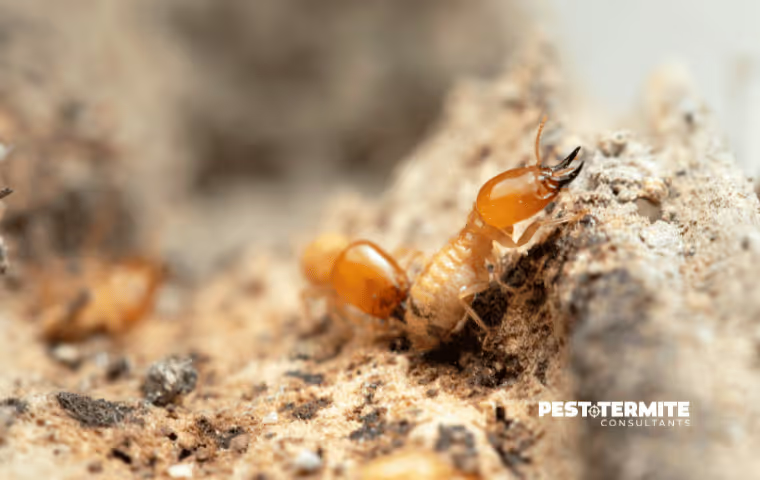
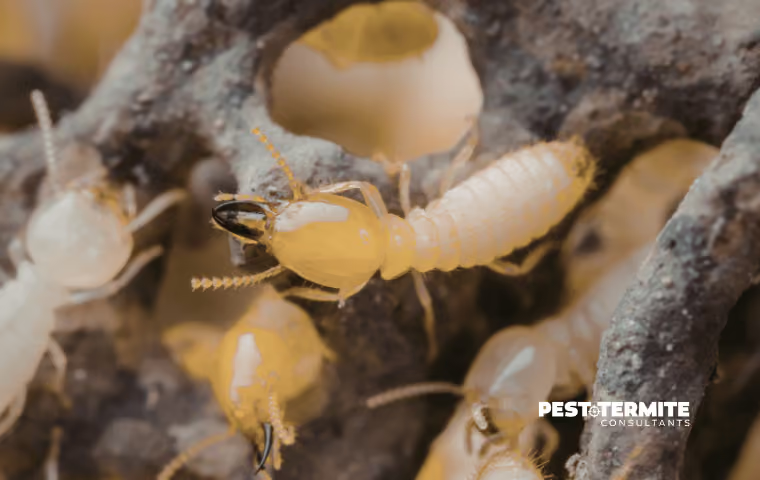
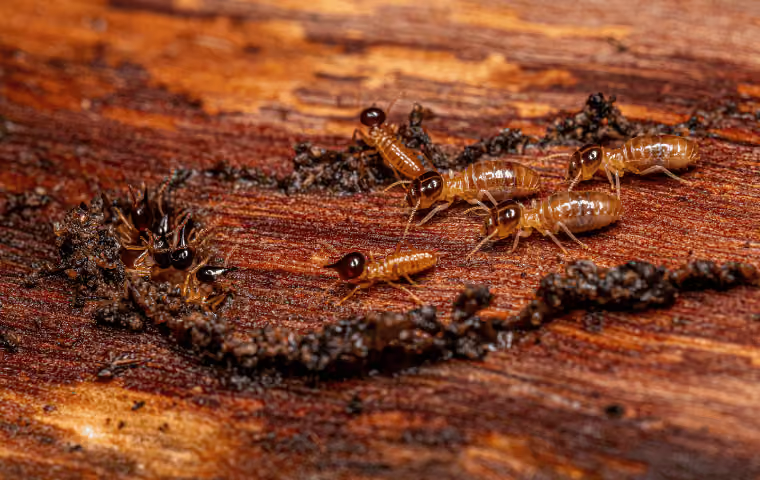
The problem with treating swarm season as the primary window for termite concern is that it misses roughly ten to eleven months of ongoing activity. Workers, the termites doing the actual damage, stay inside the wood continuously and continue feeding year round.
Why North Myrtle Beach Conditions Keep Termites Active Year-Round
Subterranean termites, which are by far the most destructive species in this region, are heavily influenced by warm temperatures and moisture. Both are in generous supply along the coast. Mild winters here rarely push soil temperatures low enough to slow termite activity in any meaningful way, and the humidity that coastal homeowners live with all year creates exactly the kind of environment termite colonies prefer.
Soil moisture stays relatively consistent near the coast, which matters because subterranean termites travel through it constantly between their nesting sites and food sources. The sand-heavy soils common in this area drain quickly after rain but tend to stay moist beneath the surface, particularly around foundations, crawlspaces, and landscaping. That moisture keeps the mud tubes termites build to travel above ground from drying out, which means foraging continues even in months that don't feel like "termite season."
Homes in North Myrtle Beach with wood-framed construction, pier-and-beam foundations, or significant wood-to-soil contact are particularly vulnerable to sustained feeding pressure. Crawlspace homes are worth special attention because the conditions underneath them rarely change, regardless of the season.
How Monitoring Works and Why It Catches What Inspections Miss
A one-time inspection gives you a picture of one moment. Termite monitoring gives you continuous visibility. That makes a real difference when you're dealing with pests that are largely hidden in the soil and inside wood, moving through a property without any obvious surface signs until damage is already done.
Monitoring stations are placed in the soil around the perimeter of a structure at intervals that give reasonable coverage of the areas termites are most likely to encounter as they forage. The stations contain wood or cellulose material that attracts termites. When termites hit a station, that activity gets detected during routine service visits, which triggers treatment targeted to where foragers are actively working rather than to the whole perimeter.
This approach has two advantages over older liquid barrier treatments alone. First, it detects new pressure from colonies that weren't present when the home was last treated. Second, it gives a clear picture of activity patterns over time, which matters for properties with complex foundations or adjacent structures.
Pest & Termite Consultants uses monitoring as a core part of our termite protection strategy because the data it produces is both useful and reassuring. Homeowners in North Myrtle Beach, Surfside Beach, Crescent Beach, and throughout coastal South Carolina benefit from this kind of ongoing visibility given the region's consistent termite pressure.
Signs That Termites Are Active Outside of Swarm Season
Even without swarmers, termites leave evidence behind if you know what to look for.
- Mud Tubes. Mud tubes are the most reliable sign. These pencil-width tunnels run along foundation walls, piers, plumbing penetrations, and any surface that connects soil to wood. They protect termites from drying out and from exposure as they travel. Any mud tunnels you find, even old-looking ones, are worth having inspected because termites often rebuild in the same areas.
- Gradual structural changes. Inside the structure, wood that sounds hollow when tapped, floors with unexplained soft spots, paint that bubbles without a clear moisture source, and doors or windows that stick without an obvious reason can all point to termite feeding inside framing or subflooring. These signs don't come with any seasonal pattern. Termites find a food source and keep feeding there, and wood damage accumulates steadily over time rather than all at once.
- Swarmer wings. Discarded wings near windowsills or on basement floors are often found during or just after swarm season, but finding them in late summer or fall isn't unusual either, especially in areas that get late swarms.
If you're seeing these signs and haven't had a recent termite inspection, now is the perfect time to schedule one. Our team serves a broad stretch of the Carolina coast, including North Myrtle Beach, Crescent Beach, and Surfside Beach, and we're familiar with how termite pressure shows up differently across various property types and ages.
Why Year-Round Protection Makes More Sense Than Seasonal Treatment
Termite treatments aren't the same as, say, mosquito control, where you're responding to a predictable seasonal spike and backing off in the offseason. Termite colonies operate on their own schedule, driven by the soil conditions and food availability specific to your property. Waiting until spring to think about termites means accepting a window of unmonitored risk that can stretch across most of the year.
Year-round monitoring paired with consistent termite control services in North Myrtle Beach gives homeowners a much clearer picture of what's actually happening around their foundation. If a monitoring station picks up activity in October, we know about it in October, not the following April when someone notices a swarmer near a window. Early detection means less structural damage and a narrower area of treatment, which tends to reduce both cost and disruption.
For rental properties, this matters even more. Vacation and short-term rental homeowners often aren't present to notice early signs, and a termite problem that goes undetected through several booking seasons can turn into a significant repair bill. If you manage rental property on the Grand Strand, an active termite monitoring program is one of the more practical protections you can put in place.
FAQs About Termite Monitoring in North Myrtle Beach
If I didn't see any swarmers this spring, does that mean I don't have termites?
Not necessarily. Colonies swarm when they're mature enough and conditions are right, but not every colony swarms every year, and swarms often happen briefly and at times when no one is watching. A lack of visible swarmers doesn't rule out an active colony. An inspection and monitoring program is the most reliable way to know what's actually present around your home's foundation.
How often do monitoring stations need to be checked?
Service intervals vary based on the monitoring system and local pressure, but quarterly visits are common for coastal properties where termite activity tends to be more consistent year-round. More frequent checks may be warranted for properties with a history of activity or construction features that create higher risk, such as crawlspaces with moisture issues or wood-to-soil contact near the foundation.
Can I check monitoring stations myself between visits?
Homeowners can visually inspect the outer stations for obvious damage, but interpreting what you find, distinguishing between old activity and fresh foraging, and knowing when to escalate requires training and experience. Pest & Termite Consultants handles that assessment during each service visit so you're getting accurate, up-to-date information.
Is termite monitoring worth it if my home has already been treated?
Yes. Treatment addresses the colony or colonies active at the time it's applied. It doesn't permanently prevent new termite pressure from developing over subsequent years. Monitoring picks up new activity if and when it occurs, so you're not starting from zero each time you have a concern. Think of monitoring as the ongoing detection layer that makes your existing protection more reliable over time.
Get Reliable Protection from Termite Damage
Termite colonies don't announce themselves or follow a schedule that lines up with homeowner awareness. They feed steadily, grow quietly, and cause the most damage during the long stretches between swarm seasons when attention drifts elsewhere.
If your North Myrtle Beach home doesn't have an active termite monitoring program in place, now is the perfect time to set one up, not because there's an emergency, but because consistent protection is easier and less expensive than catching a problem after it's already progressed.
Call us at (854) 588-7770 to schedule an inspection and talk through monitoring options for your property.