
Why You're Seeing More Yellow Jackets Around Your Yard in July
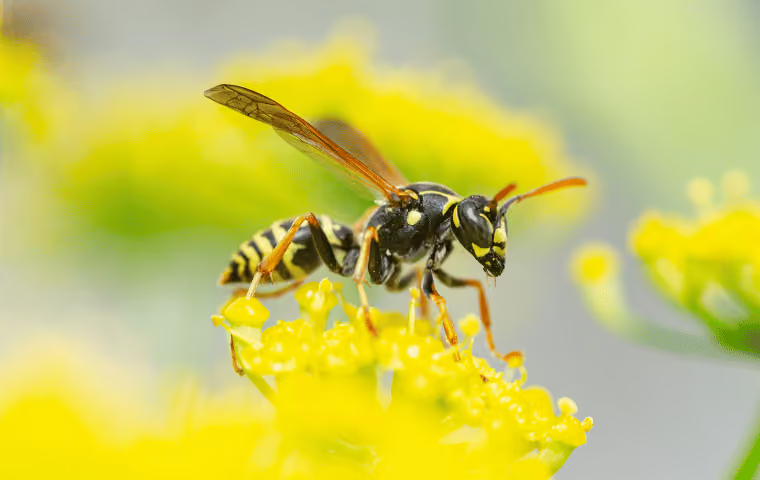
If it seems like yellow jackets suddenly start appearing everywhere in July, you're not imagining it. Across Durham, Chapel Hill, Bahama, and Morrisville, homeowners often notice a sharp increase in yellow jacket activity during the middle of summer. Outdoor barbeques, lawn work, and time spent in the backyard become more challenging as these stinging insects become more active around homes.
Yellow jackets can be aggressive when they feel threatened, especially as their colonies continue to grow throughout the season. Understanding why stinging insect activity increases in July can help you reduce the risk of unwanted encounters and identify problems before they become more serious.
Why Yellow Jacket Activity Increases Around July
Yellow jacket colonies begin developing in the spring when queens start building their new nests. By July, those colonies have grown significantly, producing hundreds or even thousands of worker yellow jackets.
As the colony expands, more workers leave the nest to search for food and defend the area around it. This increased foraging activity makes yellow jackets much more noticeable around yards, patios, gardens, and outdoor gathering spaces.
Even if you have never had a yellow jacket problem before, a nest developing nearby can quickly change the level of stinging insect activity around your property.
What Attracts Yellow Jackets to Your Yard
Yellow jackets are constantly searching for food to support their growing colonies. Many common features around residential properties provide exactly what they need.
Stinging insects are often attracted to:
- Outdoor grills and picnic areas
- Sugary drinks left outdoors
- Open trash cans
- Pet food and water bowls
- Fallen fruit from trees
- Flowering plants
- Compost piles
While these attractants may seem minor, they can encourage yellow jackets to return repeatedly as they establish reliable food sources in your yard.
Where Yellow Jackets Commonly Build Nests
One reason yellow jackets surprise homeowners is that their nests are often hidden from view.
Common nesting locations include:
- Underground rodent burrows
- Landscape beds
- Mulch areas
- Beneath decks and porches
- Inside retaining walls
- Hollow trees
- Wall voids and other structural spaces
Ground nests are particularly dangerous because they are easy to overlook until someone unknowingly disturbs the nest entrance while mowing, gardening, or walking through the yard.
Why July Is a Riskier Time for Stings
As colonies grow larger, yellow jackets become more protective of their nests. Worker yellow jackets respond quickly to vibrations, movement, and perceived threats near the nest.
Activities that can accidentally disturb a wasp nest include:
- Mowing the lawn
- Trimming shrubs
- Pulling weeds
- Digging or landscaping
- Using string trimmers
- Children playing in the yard
Unlike some other stinging insects, yellow jackets can sting multiple times and often defend their nests in groups, making accidental encounters more dangerous.
How to Make Your Yard Less Attractive to Yellow Jackets
While no yard can be made completely unattractive to yellow jackets, reducing food sources and nesting opportunities can help lower activity around your home.
Helpful wasp prevention steps for Durham homeowners include:
- Keeping trash containers tightly sealed.
- Cleaning outdoor eating areas promptly.
- Picking up fallen fruit regularly.
- Storing sugary drinks and food indoors when not in use.
- Filling in abandoned animal burrows when appropriate.
- Inspecting your yard for increased insect activity before mowing.
These simple habits can reduce the chances of attracting foraging yellow jackets to your yard during the busiest part of the summer.
Why DIY Nest Removal Can Be Dangerous
Finding a yellow jacket nest often leads homeowners to consider removing it themselves. Unfortunately, disturbing an active nest can trigger a defensive response from hundreds of worker yellow jackets.
Spraying a visible nest entrance may not eliminate the entire colony, particularly if the nest extends deep underground or inside a structure. Incomplete treatments can leave surviving yellow jackets active and even more aggressive.
Professional yellow jacket control in Durham focuses on locating the nest, selecting the proper treatment method, and reducing the risk of future activity without exposing homeowners to unnecessary danger.
When It's Time to Call a Professional
A few yellow jackets flying through your yard may simply be foraging. However, consistent activity in one area often indicates a nest nearby.
You should consider calling a pest control professional for help if you notice:
- Multiple yellow jackets entering the same hole in the ground
- Increased activity around decks or porches
- Frequent yellow jackets near children's play areas
- Stinging insects gathering around your home every day
- A nest located close to outdoor living spaces
Professional stinging insect control in Durham can identify nesting sites, eliminate active colonies, and help prevent additional problems as summer continues.
If you want to get rid of yellow jackets, addressing the nest early is usually safer and more effective than waiting for the colony to continue growing.
FAQs About Summer Yellow Jacket Control in Durham
Why do I suddenly have more yellow jackets in July?
Yellow jacket colonies grow steadily throughout the spring and early summer. By July, there are far more worker insects leaving the nest to search for food, making them much more noticeable.
Do yellow jackets build nests underground?
Yes. Many yellow jackets build underground nests in abandoned rodent burrows, landscape beds, and other hidden areas around residential properties.
Why are yellow jackets attracted to my backyard?
Food sources like trash, sugary drinks, fallen fruit, pet food, and outdoor meals attract foraging yellow jackets during the summer.
Can I remove a yellow jacket nest myself?
Removing an active nest can be dangerous because yellow jackets aggressively defend their colony. Professional treatment is generally the safest and most effective option.
How can I tell if there's a nest in my yard?
Repeated yellow jacket activity in the same location or insects flying in and out of a hole in the ground often indicates an active nest.
When should I schedule professional yellow jacket control?
The sooner a nest is identified, the easier it is to manage before the colony continues expanding and the risk of stings increases.
Keep Yellow Jackets Out of Your Backyard This Summer
July is one of the busiest times of year for yellow jackets throughout Durham, Chapel Hill, Bahama, and Morrisville. As populations grow, homeowners are more likely to encounter these aggressive stinging insects while out enjoying the yard or performing routine outdoor maintenance.
Professional stinging insect control helps locate hidden nests, eliminate active colonies, and reduce the risk of future infestations. If you need reliable yellow jacket control near Durham, call (919) 870-8003 to schedule an inspection and enjoy your backyard stress-free this summer.


