Pest Control in Chapel Hill, NC
Chapel Hill is a university town defined by the UNC campus, a dense tree canopy, and the creek systems that thread through Orange County's rolling Piedmont terrain. With a population of about 62,000 — swelling by tens of thousands during the academic year — Chapel Hill spans everything from century-old neighborhoods near Franklin Street to planned communities like Meadowmont and Southern Village on the town's southern edge. The heavy tree cover that gives Chapel Hill its character also creates persistent shade and moisture at ground level, ideal conditions for termites, moisture-loving insects, and the wildlife that carries ticks and fleas from the surrounding forests into residential yards. Our Durham office serves Chapel Hill, Carrboro, and all of Orange County.
Home Pest Control in Chapel Hill
Chapel Hill homeowners face pest pressures driven by the town's exceptional tree canopy and the multiple creek systems — Bolin Creek, Morgan Creek, New Hope Creek — that run through residential areas. Older neighborhoods near campus like Battle Forest, Glen Lennox, and Colony Woods have mature hardwood canopies that shade foundations, retain moisture in the soil, and support squirrel and raccoon populations. Newer planned communities on the town's periphery sit on recently cleared land where construction has displaced wildlife. The university campus itself supports pest populations that extend into surrounding neighborhoods. Our residential pest control program provides quarterly treatments customized for the specific conditions that Chapel Hill properties experience throughout the year.
Termite Control in Chapel Hill
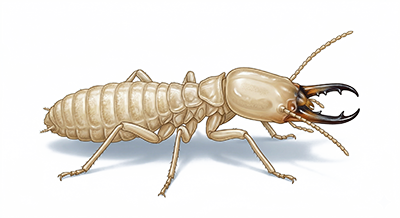
Chapel Hill's dense tree canopy creates the shaded, moisture-retaining conditions that subterranean termites need. The Piedmont's clay soils hold water effectively, and the multiple creek corridors maintain elevated ground moisture through residential neighborhoods. Older homes near the UNC campus — many built in the 1920s through 1960s with original wood framing and pier-and-beam foundations — face the highest termite risk due to decades of soil-to-wood contact and aging moisture barriers. Our termite control services include thorough inspections, liquid barrier treatments optimized for Piedmont clay soils, and monitoring systems that provide early detection of termite activity.
Mosquito Control in Chapel Hill
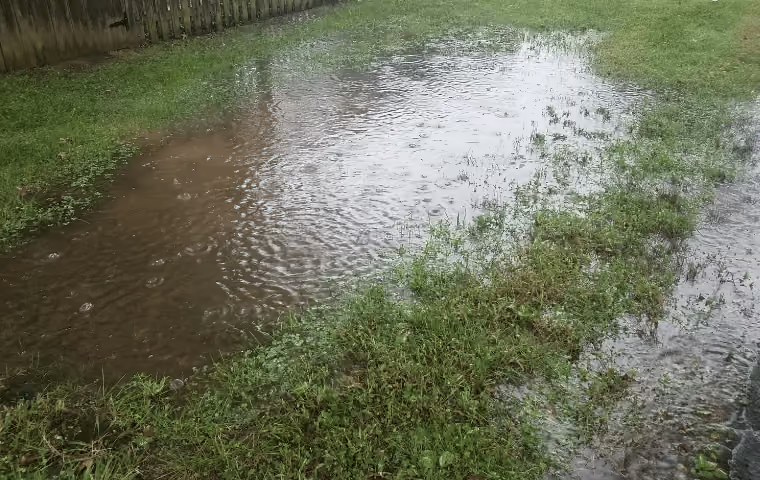
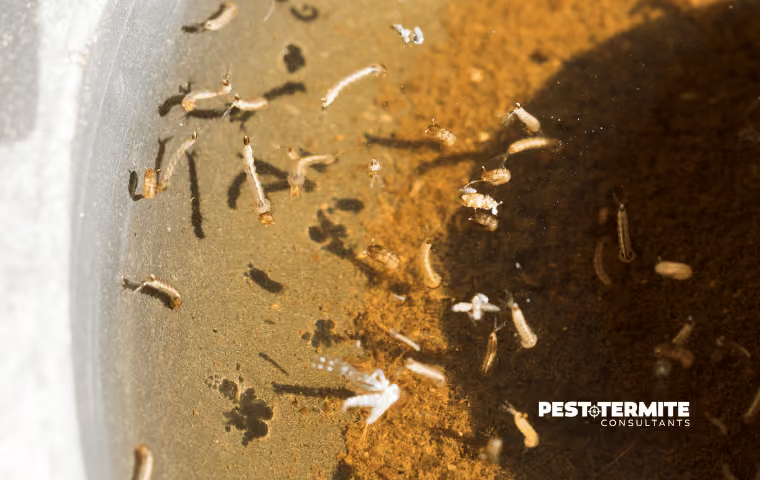
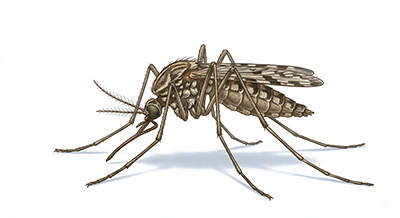
The Bolin Creek, Morgan Creek, and New Hope Creek watersheds create natural mosquito breeding corridors that run directly through Chapel Hill's residential neighborhoods. The town's heavy tree canopy slows evaporation after rain, and the Piedmont clay soils hold surface water in low-lying areas. Stormwater retention areas in planned communities like Meadowmont and Southern Village add additional breeding habitat. Our mosquito reduction program targets the breeding sites and adult resting areas on your property, creating a measurable reduction in mosquito activity during the warm months.
Rodent Control in Chapel Hill
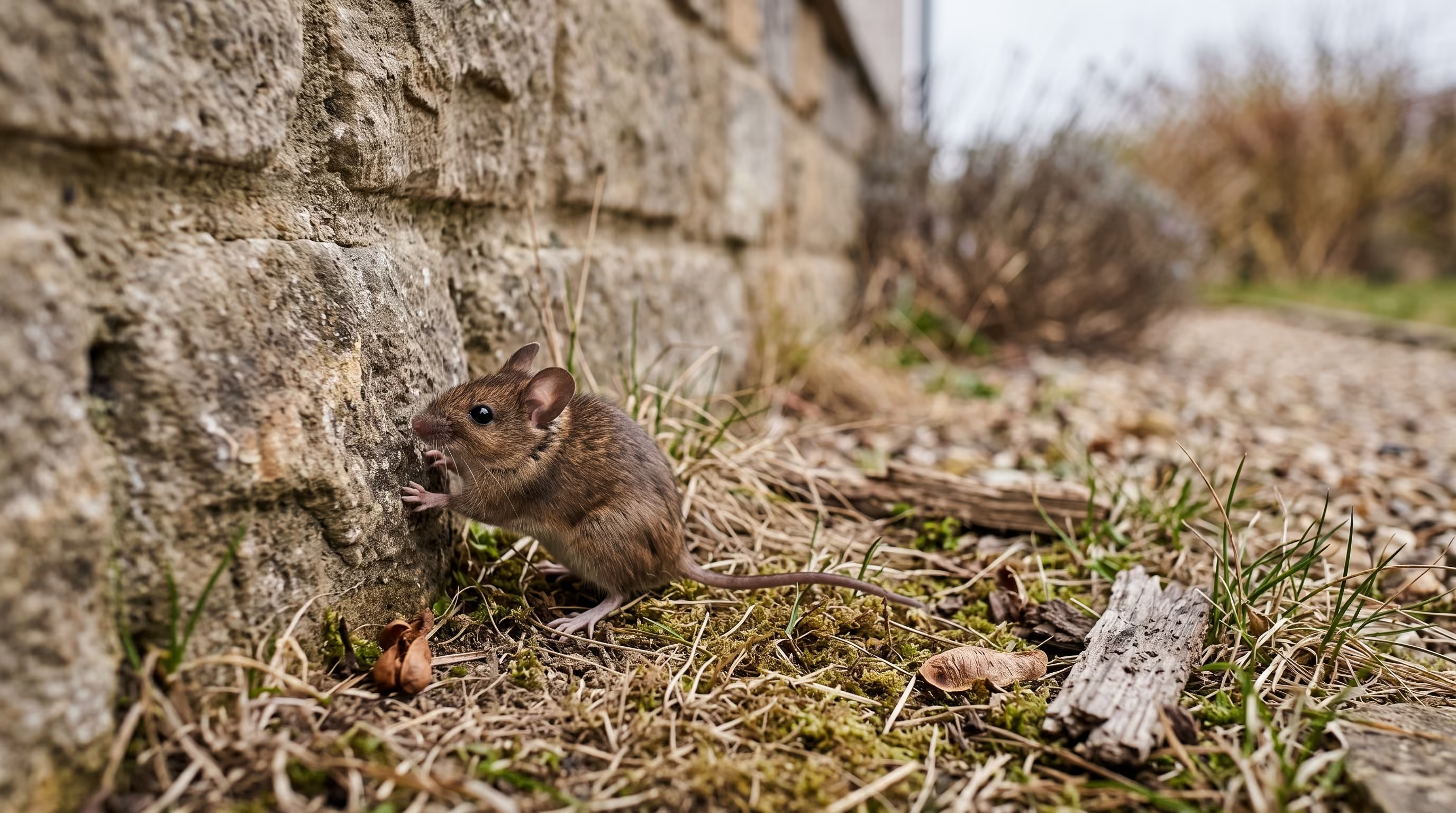
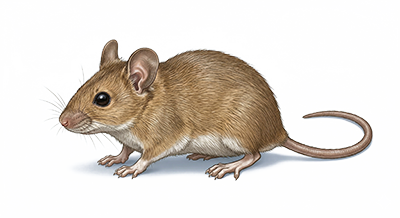
Chapel Hill's extensive tree canopy and wooded greenways support active squirrel, raccoon, and rodent populations that regularly enter residential structures. Older homes near campus with aging foundations and mature landscaping are particularly susceptible, and the university area's density of dining establishments and dumpsters sustains rodent populations that extend into nearby neighborhoods. Properties adjacent to Battle Park, Carolina North Forest, and the greenway system also experience elevated wildlife intrusion. Our rodent control services include thorough inspections, professional exclusion work, and targeted trapping programs.


Local Pest Insights for Chapel Hill, NC
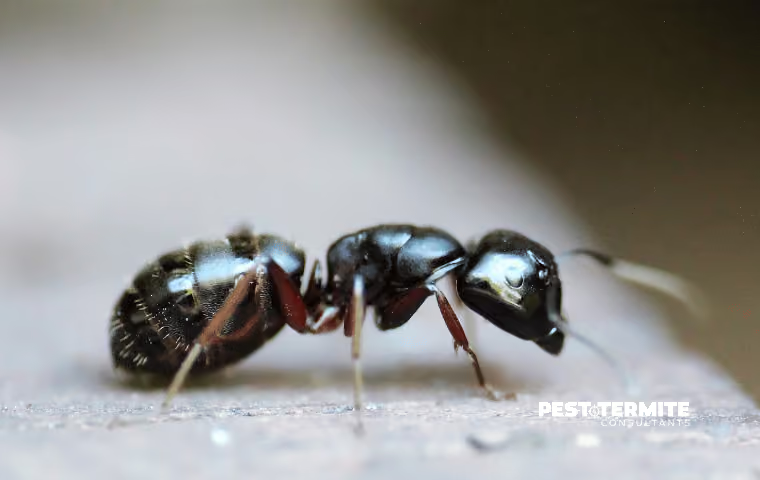
Chapel Hill's pest environment is shaped by two defining features: the dense hardwood tree canopy that covers most of the town, and the creek systems that drain the surrounding Piedmont hills through residential neighborhoods. The tree canopy — predominantly oaks, maples, and tulip poplars — creates persistent shade that keeps soil moisture elevated and foundation areas cooler and damper than in more open communities. This moisture gradient supports robust populations of termites, carpenter ants, centipedes, earwigs, and the fungus-feeding insects that thrive in damp conditions.
The UNC campus and its surrounding natural areas — Battle Park, Mason Farm Biological Reserve, Carolina North Forest — preserve hundreds of acres of mature forest within and adjacent to residential neighborhoods. While ecologically significant, these preserved habitats maintain wildlife corridors that bring ticks, fleas, and wildlife directly into populated areas. The squirrel population alone, sustained by the campus oaks, is dense enough to create persistent attic intrusion issues in the surrounding neighborhoods.
Why Choose Pest & Termite Consultants in Chapel Hill?
Chapel Hill's unique combination of dense tree canopy, creek corridors, historic housing stock, and proximity to preserved forest habitats creates pest conditions that generic treatments don't adequately address. A 1940s bungalow near Bolin Creek needs a fundamentally different approach than a 2010s townhome in Meadowmont, and both differ from a property bordering Carolina North Forest. Our technicians evaluate each Chapel Hill property's tree canopy density, proximity to creek corridors and natural areas, construction age and type, and specific moisture conditions to develop treatment plans that target your actual pest pressures.
Additional Pest Control Services in Chapel Hill
Chapel Hill's vibrant commercial districts along Franklin Street, Rosemary Street, and in the newer mixed-use developments require professional pest management to maintain food safety standards and protect customer experiences. The university's dining halls, research facilities, and residential halls add to the demand for code-compliant pest control. Our commercial pest control services provide tailored programs for restaurants, retail businesses, healthcare facilities, property management companies, and institutional clients throughout Chapel Hill and Carrboro.
Service Areas Near Chapel Hill
From our Durham office, we serve Chapel Hill, Carrboro, and the surrounding Orange County communities. We also serve Durham, Pittsboro, Mebane, and communities along the I-40 and US-15/501 corridors.
Frequently Asked Questions About Pest Control in Chapel Hill
Why does Chapel Hill have such high pest pressure?
Chapel Hill's dense hardwood tree canopy is the primary driver. The heavy shade keeps soil moisture elevated year-round, creating ideal conditions for termites, moisture-loving insects, and the fungal growth that attracts secondary pests. The multiple creek corridors running through residential areas add persistent moisture sources, and the preserved natural areas on campus and around town maintain wildlife populations in close proximity to homes.
Are older homes near UNC at higher risk for termites?
Yes. Homes built before the 1970s near the UNC campus typically have original wood framing, pier-and-beam or block foundations without modern termite barriers, and decades of soil-to-wood contact. Combined with the heavy tree canopy and clay soils that retain moisture, these older homes face significantly elevated termite risk compared to newer construction. Annual termite inspections are essential for any pre-1980 home in Chapel Hill.
Does the UNC campus affect pest problems in nearby neighborhoods?
The campus influences pest conditions in adjacent neighborhoods through several mechanisms. The mature oak canopy supports large squirrel populations that enter nearby attics. Campus dining facilities and waste management create food sources that attract rodents and cockroaches. Battle Park and the preserved forests maintain wildlife corridors, and the high-density student housing areas can sustain pest populations — particularly bed bugs and cockroaches — that spread outward.
What about pest control for rental properties and student housing?
Chapel Hill's significant rental housing stock near campus faces elevated pest risk from high tenant turnover, inconsistent maintenance reporting, and the density of multi-unit buildings. Landlords and property managers need proactive pest management programs that include regular inspections, preventive treatments, and rapid response to tenant-reported issues. Our quarterly service plans are designed to maintain consistent protection regardless of tenant changes.
Are ticks a problem in Chapel Hill neighborhoods?
Yes — particularly in neighborhoods adjacent to wooded areas, greenways, and the campus forests. Lone star ticks and deer ticks are both present in Orange County, carried by the deer populations that travel the creek corridors and browse in residential yards. Properties near Battle Park, Bolin Creek Greenway, and Carolina North Forest are at highest risk. Regular yard treatments can significantly reduce tick encounters on your property.
How far is your office from Chapel Hill?
Our Durham office at 3036 Holloway Street is approximately 12 miles from Chapel Hill via US-15/501, typically a 20-minute drive. We serve Chapel Hill and Carrboro on a regular route schedule and offer same-day or next-day scheduling when available for urgent pest situations.
Ready to protect your Chapel Hill home or business from pests? Contact Pest & Termite Consultants today or call our Durham office at (919) 246-8831 to schedule your free inspection.
Local Pest Insights for Chapel Hill, NC
Chapel Hill's pest environment is shaped by two defining features: the dense hardwood tree canopy that covers most of the town, and the creek systems that drain the surrounding Piedmont hills through residential neighborhoods. The tree canopy — predominantly oaks, maples, and tulip poplars — creates persistent shade that keeps soil moisture elevated and foundation areas cooler and damper than in more open communities. This moisture gradient supports robust populations of termites, carpenter ants, centipedes, earwigs, and the fungus-feeding insects that thrive in damp conditions.
The UNC campus and its surrounding natural areas — Battle Park, Mason Farm Biological Reserve, Carolina North Forest — preserve hundreds of acres of mature forest within and adjacent to residential neighborhoods. While ecologically significant, these preserved habitats maintain wildlife corridors that bring ticks, fleas, and wildlife directly into populated areas. The squirrel population alone, sustained by the campus oaks, is dense enough to create persistent attic intrusion issues in the surrounding neighborhoods.
Why Choose Pest & Termite Consultants in Chapel Hill?
Chapel Hill's unique combination of dense tree canopy, creek corridors, historic housing stock, and proximity to preserved forest habitats creates pest conditions that generic treatments don't adequately address. A 1940s bungalow near Bolin Creek needs a fundamentally different approach than a 2010s townhome in Meadowmont, and both differ from a property bordering Carolina North Forest. Our technicians evaluate each Chapel Hill property's tree canopy density, proximity to creek corridors and natural areas, construction age and type, and specific moisture conditions to develop treatment plans that target your actual pest pressures.
Additional Pest Control Services in Chapel Hill
Chapel Hill's vibrant commercial districts along Franklin Street, Rosemary Street, and in the newer mixed-use developments require professional pest management to maintain food safety standards and protect customer experiences. The university's dining halls, research facilities, and residential halls add to the demand for code-compliant pest control. Our commercial pest control services provide tailored programs for restaurants, retail businesses, healthcare facilities, property management companies, and institutional clients throughout Chapel Hill and Carrboro.
Service Areas Near Chapel Hill
From our Durham office, we serve Chapel Hill, Carrboro, and the surrounding Orange County communities. We also serve Durham, Pittsboro, Mebane, and communities along the I-40 and US-15/501 corridors.
Frequently Asked Questions About Pest Control in Chapel Hill
Why does Chapel Hill have such high pest pressure?
Chapel Hill's dense hardwood tree canopy is the primary driver. The heavy shade keeps soil moisture elevated year-round, creating ideal conditions for termites, moisture-loving insects, and the fungal growth that attracts secondary pests. The multiple creek corridors running through residential areas add persistent moisture sources, and the preserved natural areas on campus and around town maintain wildlife populations in close proximity to homes.
Are older homes near UNC at higher risk for termites?
Yes. Homes built before the 1970s near the UNC campus typically have original wood framing, pier-and-beam or block foundations without modern termite barriers, and decades of soil-to-wood contact. Combined with the heavy tree canopy and clay soils that retain moisture, these older homes face significantly elevated termite risk compared to newer construction. Annual termite inspections are essential for any pre-1980 home in Chapel Hill.
Does the UNC campus affect pest problems in nearby neighborhoods?
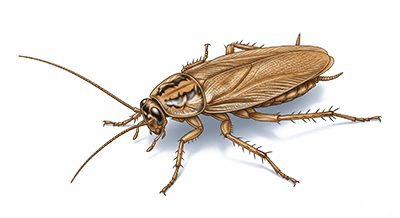
The campus influences pest conditions in adjacent neighborhoods through several mechanisms. The mature oak canopy supports large squirrel populations that enter nearby attics. Campus dining facilities and waste management create food sources that attract rodents and cockroaches. Battle Park and the preserved forests maintain wildlife corridors, and the high-density student housing areas can sustain pest populations — particularly bed bugs and cockroaches — that spread outward.
What about pest control for rental properties and student housing?
Chapel Hill's significant rental housing stock near campus faces elevated pest risk from high tenant turnover, inconsistent maintenance reporting, and the density of multi-unit buildings. Landlords and property managers need proactive pest management programs that include regular inspections, preventive treatments, and rapid response to tenant-reported issues. Our quarterly service plans are designed to maintain consistent protection regardless of tenant changes.
Are ticks a problem in Chapel Hill neighborhoods?
Yes — particularly in neighborhoods adjacent to wooded areas, greenways, and the campus forests. Lone star ticks and deer ticks are both present in Orange County, carried by the deer populations that travel the creek corridors and browse in residential yards. Properties near Battle Park, Bolin Creek Greenway, and Carolina North Forest are at highest risk. Regular yard treatments can significantly reduce tick encounters on your property.
How far is your office from Chapel Hill?
Our Durham office at 3036 Holloway Street is approximately 12 miles from Chapel Hill via US-15/501, typically a 20-minute drive. We serve Chapel Hill and Carrboro on a regular route schedule and offer same-day or next-day scheduling when available for urgent pest situations.
Ready to protect your Chapel Hill home or business from pests? Contact Pest & Termite Consultants today or call our Durham office at (919) 246-8831 to schedule your free inspection.