Pest Control in Sanford, NC
Sanford — the Brick Capital of the USA — sits at a unique geological crossroads where white beach sand meets Piedmont clay, a boundary that once made Lee County the nation's leading brick producer. That same sand-clay interface, combined with the Deep River corridor to the north and multiple creeks flowing through the city, also creates exceptionally diverse pest conditions. With a population of over 30,000, Sanford is the largest city in Lee County and a commercial hub for the surrounding region. Our Fuquay-Varina office is approximately 25 miles east on NC-42, providing dependable pest control service throughout Sanford and Lee County.
Home Pest Control in Sanford
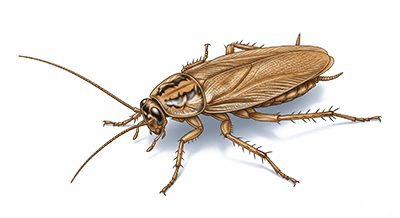
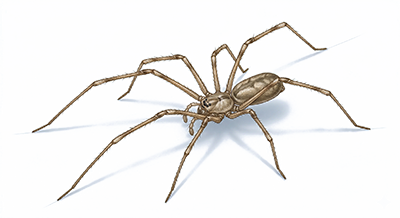
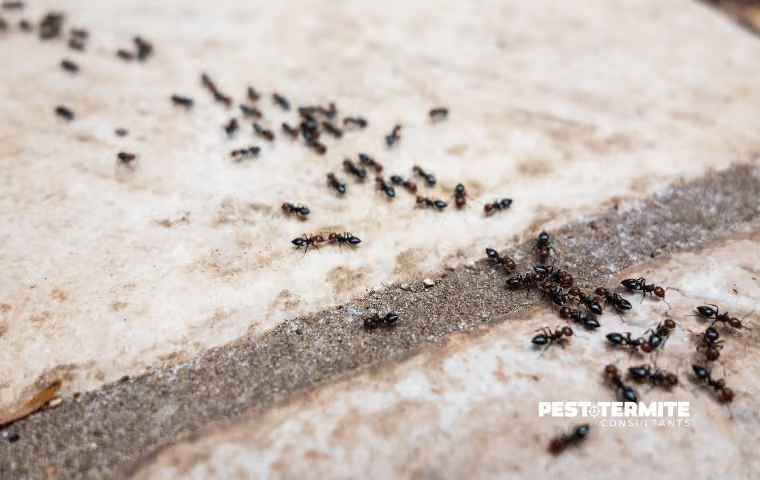
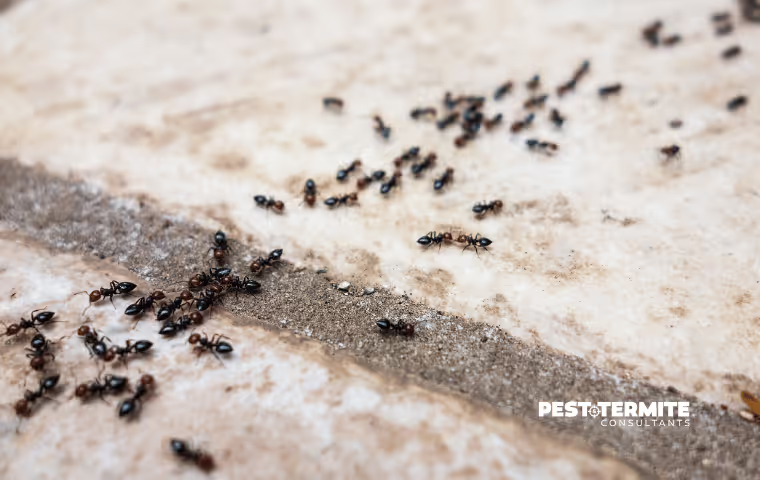
Sanford homes face diverse pest pressures driven by the city's position between the Piedmont and the Sandhills. The older historic districts — Downtown Sanford, East Sanford, Jonesboro Heights, and the Hawkins Avenue area — contain aging housing stock vulnerable to wood-destroying insects and rodent intrusion, while newer development on the city's outskirts brings the construction-related pest challenges common to growing communities. Little Buffalo Creek running through the center of town and Big Buffalo Creek to the west create moisture corridors that sustain insects throughout residential areas. Our residential pest control program provides quarterly treatments customized to your property's location, construction type, and the specific seasonal pressures Lee County homes experience.
Termite Control in Sanford
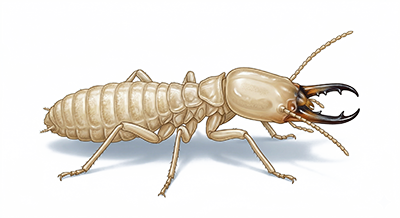
The geological meeting point of sand and clay beneath Sanford creates particularly challenging termite conditions. Sandy topsoil allows termites to tunnel easily toward structures, while the clay sublayer retains the moisture they need to survive. Both Eastern subterranean termites and Formosan termites have been documented in the region, making professional termite protection essential for every Sanford property. Homes in the older historic districts with original wood framing and those near the creek corridors face the highest risk. Our termite control services include detailed inspections, liquid barrier treatments, and monitoring systems designed to catch termite activity early — before costly structural damage occurs.
Mosquito Control in Sanford
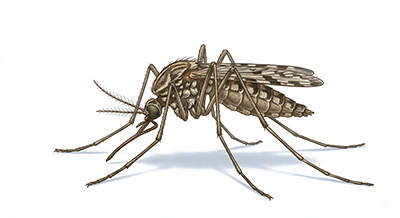
Little Buffalo Creek, Big Buffalo Creek, and Lick Creek create three distinct waterway corridors running through Sanford's residential areas, providing abundant mosquito breeding habitat from spring through fall. The stocked lakes at San-Lee Park and standing water in low-lying areas throughout the city add to the challenge. Our mosquito reduction program targets the specific breeding sites and adult resting areas around your property, significantly reducing mosquito populations so you can enjoy outdoor time at home, at San-Lee Park, and throughout your neighborhood.
Rodent Control in Sanford
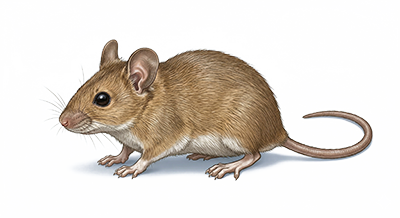
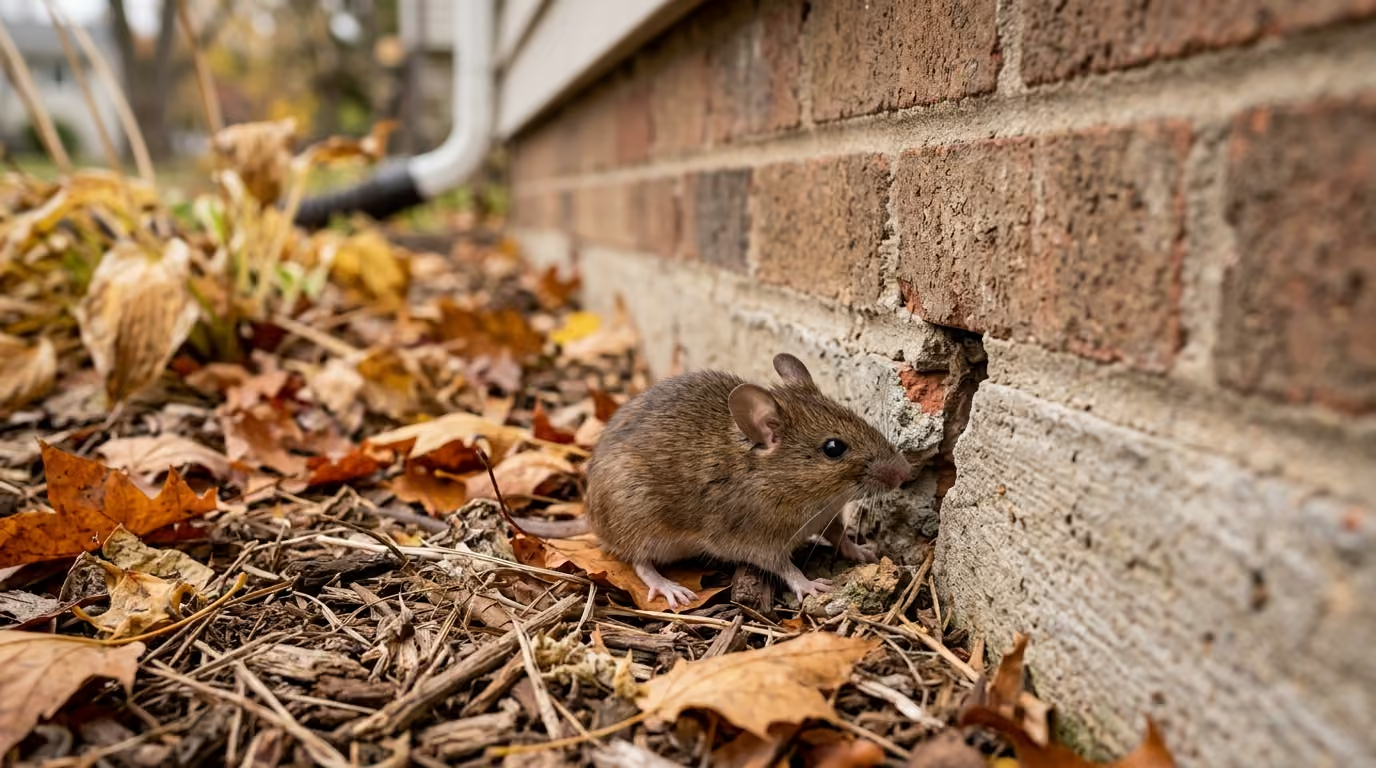
Sanford's mix of older industrial buildings, historic downtown structures, and surrounding agricultural land creates persistent rodent pressure across the city. The former railroad yards and industrial areas that defined Sanford's economy for over a century provide harborage for Norway rats, while mice readily enter homes through gaps in older construction. Properties near the creek corridors and agricultural edges are especially susceptible during fall and winter when dropping temperatures drive rodents indoors. Our rodent control services combine thorough inspections, professional exclusion work, and targeted trapping to resolve active infestations and prevent reinfestation.


Local Pest Insights for Sanford, NC
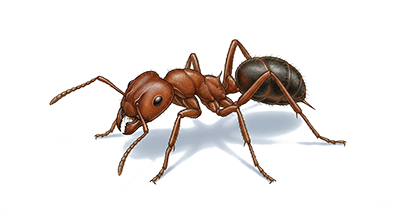
Sanford sits in the middle of North Carolina's Triassic Basin — a geological formation containing the state's most concentrated reserves of natural resources and featuring the sand-clay boundary that made Sanford the Brick Capital. This geological diversity means properties on the north side of town may sit on Piedmont clay that retains moisture and favors termites, while properties to the south may have sandier Sandhills soil that drains quickly and favors fire ants. Understanding which soil type your home sits on helps determine the most effective treatment approach.
The Deep River runs along Lee County's northern border and eventually converges with the Haw River near Moncure to form the Cape Fear River. This entire watershed creates a humid microclimate across the region that sustains pest activity well into fall. Sanford also experienced significant tornado damage in April 2011, and areas that were rebuilt may still deal with elevated pest activity in zones where debris and disturbed soil provided long-term harborage.
Why Choose Pest & Termite Consultants in Sanford?
We bring deep knowledge of the specific pest challenges that Lee County's unique geology creates. The Piedmont-to-Sandhills transition beneath Sanford means cookie-cutter pest treatments won't work here — a home on clay soil needs a different termite strategy than one on sandy ground just a mile away. Our licensed technicians evaluate your property's individual conditions and develop a customized treatment plan that addresses your specific vulnerabilities rather than applying a generic approach.
Additional Pest Control Services in Sanford
Sanford's diverse commercial landscape — from the restaurants and shops along Carthage Street to the industrial operations that continue the city's manufacturing heritage — requires professional commercial pest control. We serve restaurants, retail spaces, warehouses, healthcare facilities, and manufacturing operations with discreet, compliant programs that protect your business and meet health code and regulatory requirements.
Service Areas Near Sanford
From our Fuquay-Varina office, we serve Sanford and the surrounding Lee County communities including Broadway, Tramway, Lemon Springs, and Cumnock. We also serve Fuquay-Varina, Lillington, and communities along the NC-42 and US-421 corridors connecting Lee and Harnett Counties.
Frequently Asked Questions About Pest Control in Sanford
What makes Sanford's pest problems different from other areas?
Sanford sits at the geological boundary between the Piedmont and the Sandhills, where clay and sand soils meet. This creates unusually diverse pest conditions — properties on clay experience higher termite and moisture-pest pressure, while properties on sand face more fire ants and ground-nesting insects. A professional inspection helps identify which pressures your specific property faces so treatment can be targeted effectively.
Are Formosan termites a concern in Sanford?
Formosan subterranean termites have been documented in the central North Carolina region and can cause significantly more damage than native Eastern subterranean termites due to their larger colony sizes. While Eastern subterranean termites are more common in Sanford, Formosan termites are an emerging concern. Our termite inspections check for both species, and our treatment protocols are effective against either.
How do the creeks running through Sanford affect pest control?
Little Buffalo Creek, Big Buffalo Creek, and Lick Creek create moisture corridors through residential areas that support mosquito breeding, attract moisture-dependent insects, and provide travel routes for rodents and wildlife. Properties within a few hundred feet of these waterways typically experience higher pest pressure and benefit from more aggressive treatment protocols, particularly for mosquitoes during the warm months.
Do you treat older historic homes in downtown Sanford?
Absolutely. Sanford's six National Register historic districts contain homes with unique construction characteristics that require specialized pest knowledge. Older wood-frame homes, stone foundations, unventilated crawl spaces, and original windows all present specific pest vulnerabilities. We tailor our approach to protect these homes effectively while respecting their historic character.
What pests should I watch for after heavy rain in Sanford?
Heavy rain drives several pest events in Sanford: mosquito populations surge within days as standing water creates new breeding sites, fire ants build elevated mound structures to escape saturated soil, and moisture-loving pests like earwigs, millipedes, and springtails migrate toward foundations and crawl spaces. If you notice increased pest activity after storms, a follow-up treatment can address the spike before populations establish.
How far is your nearest office from Sanford?
Our Fuquay-Varina office is approximately 25 miles from Sanford via NC-42, typically a 30-35 minute drive. We serve Sanford on a regular route schedule and can accommodate urgent requests with priority scheduling for active infestations or termite swarm situations.
Ready to protect your Sanford home or business from pests? Contact Pest & Termite Consultants today or call our Fuquay-Varina office at (919) 275-9555 to schedule your free inspection.
Local Pest Insights for Sanford, NC
Sanford sits in the middle of North Carolina's Triassic Basin — a geological formation containing the state's most concentrated reserves of natural resources and featuring the sand-clay boundary that made Sanford the Brick Capital. This geological diversity means properties on the north side of town may sit on Piedmont clay that retains moisture and favors termites, while properties to the south may have sandier Sandhills soil that drains quickly and favors fire ants. Understanding which soil type your home sits on helps determine the most effective treatment approach.
The Deep River runs along Lee County's northern border and eventually converges with the Haw River near Moncure to form the Cape Fear River. This entire watershed creates a humid microclimate across the region that sustains pest activity well into fall. Sanford also experienced significant tornado damage in April 2011, and areas that were rebuilt may still deal with elevated pest activity in zones where debris and disturbed soil provided long-term harborage.
Why Choose Pest & Termite Consultants in Sanford?
We bring deep knowledge of the specific pest challenges that Lee County's unique geology creates. The Piedmont-to-Sandhills transition beneath Sanford means cookie-cutter pest treatments won't work here — a home on clay soil needs a different termite strategy than one on sandy ground just a mile away. Our licensed technicians evaluate your property's individual conditions and develop a customized treatment plan that addresses your specific vulnerabilities rather than applying a generic approach.
Additional Pest Control Services in Sanford
Sanford's diverse commercial landscape — from the restaurants and shops along Carthage Street to the industrial operations that continue the city's manufacturing heritage — requires professional commercial pest control. We serve restaurants, retail spaces, warehouses, healthcare facilities, and manufacturing operations with discreet, compliant programs that protect your business and meet health code and regulatory requirements.
Service Areas Near Sanford
From our Fuquay-Varina office, we serve Sanford and the surrounding Lee County communities including Broadway, Tramway, Lemon Springs, and Cumnock. We also serve Fuquay-Varina, Lillington, and communities along the NC-42 and US-421 corridors connecting Lee and Harnett Counties.
Frequently Asked Questions About Pest Control in Sanford
What makes Sanford's pest problems different from other areas?
Sanford sits at the geological boundary between the Piedmont and the Sandhills, where clay and sand soils meet. This creates unusually diverse pest conditions — properties on clay experience higher termite and moisture-pest pressure, while properties on sand face more fire ants and ground-nesting insects. A professional inspection helps identify which pressures your specific property faces so treatment can be targeted effectively.
Are Formosan termites a concern in Sanford?
Formosan subterranean termites have been documented in the central North Carolina region and can cause significantly more damage than native Eastern subterranean termites due to their larger colony sizes. While Eastern subterranean termites are more common in Sanford, Formosan termites are an emerging concern. Our termite inspections check for both species, and our treatment protocols are effective against either.
How do the creeks running through Sanford affect pest control?
Little Buffalo Creek, Big Buffalo Creek, and Lick Creek create moisture corridors through residential areas that support mosquito breeding, attract moisture-dependent insects, and provide travel routes for rodents and wildlife. Properties within a few hundred feet of these waterways typically experience higher pest pressure and benefit from more aggressive treatment protocols, particularly for mosquitoes during the warm months.
Do you treat older historic homes in downtown Sanford?
Absolutely. Sanford's six National Register historic districts contain homes with unique construction characteristics that require specialized pest knowledge. Older wood-frame homes, stone foundations, unventilated crawl spaces, and original windows all present specific pest vulnerabilities. We tailor our approach to protect these homes effectively while respecting their historic character.
What pests should I watch for after heavy rain in Sanford?
Heavy rain drives several pest events in Sanford: mosquito populations surge within days as standing water creates new breeding sites, fire ants build elevated mound structures to escape saturated soil, and moisture-loving pests like earwigs, millipedes, and springtails migrate toward foundations and crawl spaces. If you notice increased pest activity after storms, a follow-up treatment can address the spike before populations establish.
How far is your nearest office from Sanford?
Our Fuquay-Varina office is approximately 25 miles from Sanford via NC-42, typically a 30-35 minute drive. We serve Sanford on a regular route schedule and can accommodate urgent requests with priority scheduling for active infestations or termite swarm situations.
Ready to protect your Sanford home or business from pests? Contact Pest & Termite Consultants today or call our Fuquay-Varina office at (919) 275-9555 to schedule your free inspection.