What Fall Weather Actually Does to Ant Trails in Coastal Homes Near North Myrtle Beach

Ant trails don't just vanish when fall arrives along the Grand Strand. If anything, the transition from summer to cooler weather can push ant activity into different parts of your home rather than ending it. Effective fall ant control in North Myrtle Beach and the surrounding coastal communities means understanding this shift in behavior, not waiting for a disappearance that may never come.
Why Ant Colonies Don't Shut Down in the Fall
Ants are cold-blooded, so their activity does slow as ground temperatures drop. But "slower" isn't the same as "gone." Coastal South Carolina cools gradually and unevenly, especially near the water, which means colonies near North Myrtle Beach often stay active well into October and sometimes November. The queen and the core of the colony remain alive underground, and foragers continue searching for food and moisture as long as temperatures allow. If you treated for ants in July and assumed the problem resolved itself, the colony may have simply gone quieter, not away.
Where the Trails Actually Go in the Fall
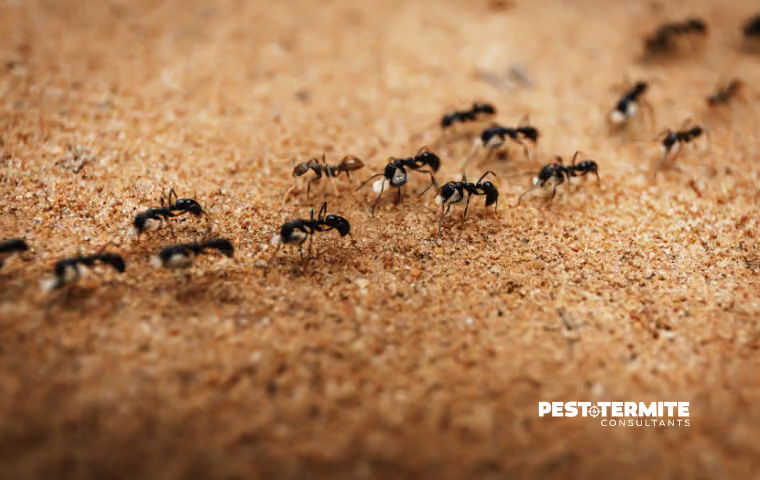
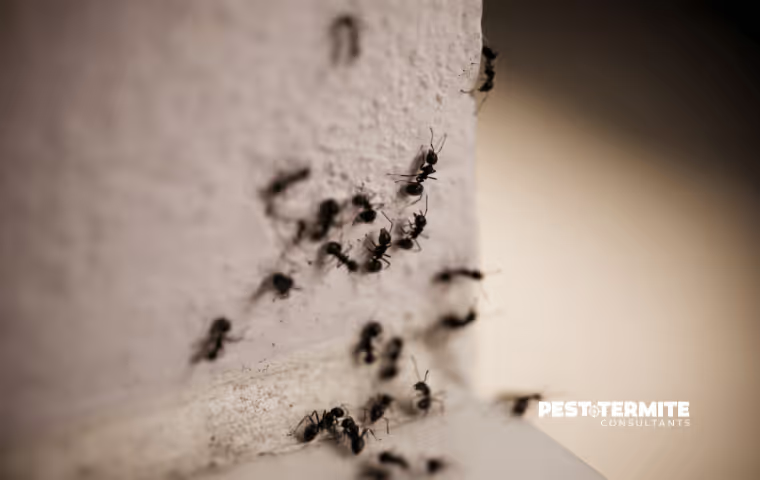
In the summer, ant trails often run along foundations, patios, and around outdoor food sources. As temperatures shift, foragers start moving toward indoor warmth and moisture sources instead. Kitchen baseboards, bathrooms, and the areas around water lines tend to see more ant activity in the fall because they offer what the cooling outdoor environment no longer does. This is the pattern homeowners tend to misread as a new infestation when it's actually the same colony changing direction. Grease ants and odorous house ants are especially common in coastal SC homes during early fall, when the gap between indoor and outdoor conditions narrows slowly enough that foragers keep pushing in for weeks.
Crawlspaces are another factor specific to this area. Homes near North Myrtle Beach, Atlantic Beach, and Barefoot Landing with raised foundations or unconditioned crawlspaces give ants a warm, humid refuge right below living areas. Trails running up through utility penetrations or along plumbing are a giveaway that an ant colony has moved in.
What Homeowners Can Do About It
The single most useful thing you can do in early fall is remove what's drawing foragers indoors. That means tight lids on trash bins, no pet food left out overnight, and paying attention to any moisture issues under sinks or around appliances. Ants that show up in the fall are almost always following a food or water signal, so cutting that off reduces trail frequency even without a full treatment.
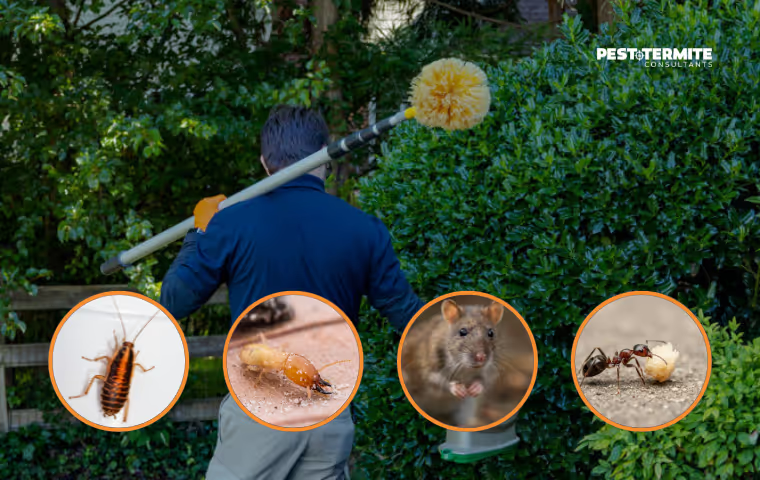
Sealing exterior gaps matters too, though it's more of a barrier than a solution on its own. Foraging ants are small enough to use gaps around conduit, door sweeps that don't seal cleanly, and the joints where plumbing enters the foundation to get inside. A tube of caulk won't eliminate an active colony, but it makes it harder for trailing workers to establish a consistent route indoors. For recurring trails, a professional treatment that targets the entire ant colony rather than just the foragers you can see produces more effective, long-lasting results.
FAQs About Fall Ant Control Near North Myrtle Beach
Do ants die off in the fall along the South Carolina coast?
Most don't. The colony survives underground, and in coastal SC's mild fall climate, foragers often stay active through October. What changes is where they forage, not whether they forage.
Why am I seeing ants inside for the first time now even though it's not summer?
As outdoor temperatures drop, ants seek warmth and moisture indoors. A trail appearing for the first time in the fall usually means nearby foragers have found a consistent food or water source inside your home, not that you have a new infestation.
Will an over-the-counter ant spray stop fall trails?
It may interrupt the trail temporarily. But most store-bought sprays don't reach the colony, so foragers reroute, and the problem returns. Treatments that target the colony itself are more effective for persistent fall activity.
Should I wait until spring to deal with fall ant trails?
No. Colonies that find reliable indoor food and water sources in the fall often establish satellite nesting sites inside the structure. Addressing the problem now is easier than dealing with an established nest in your house in the spring.
Is fall ant activity in North Myrtle Beach worse than in other areas?
Coastal conditions, including mild temperatures, consistent humidity, and crawlspace construction common to the area, do extend ant season near North Myrtle Beach. Homeowners near the water tend to see active trails later into fall than those further inland.
Don't Wait for Ant Trails to Disappear on Their Own
If ant trails are showing up in your kitchen, bathroom, or along your baseboards this fall, don't assume the problem will go away on its own. If you live in North Myrtle Beach, Atlantic Beach, Barefoot Landing, or the surrounding area, we offer effective ant control treatments near you. Contact Pest & Termite Consultants to schedule a fall inspection today.