Why Indoor Pest Activity Rises Even When Outdoor Activity Feels Slower

Most homeowners associate pest problems with the warmer months. Ants show up in spring, mosquitoes through summer, and then things quiet down once October arrives. That pattern holds true for some pests, but not all of them, and the ones that keep moving indoors in the fall tend to surprise people precisely because they weren't expected.
If you've noticed more pest sightings in your home lately, the changing season is likely responsible. For a lot of pest species in coastal SC, cooler outdoor temperatures are the reason they start looking for a way inside.
Why October Doesn't Signal the End of Indoor Pest Activity
The drop in outdoor temperatures changes pest behavior, but it doesn't eliminate it. Ants, cockroaches, rodents, and many other pests respond to cooling conditions by shifting toward warmer, more stable environments, which is exactly what your home provides. A crawlspace sitting at 60 degrees in October is far more hospitable than exposed soil once nights dip into the 50s.
Along the Grand Strand corridor, this seasonal shift comes later and softer than it does further inland. The mild coastal climate that makes communities like North Myrtle Beach, Atlantic Beach, and Crescent Beach comfortable to live in also compresses the window when pest pressure drops. Outdoor activity slows gradually rather than cutting off, which means indoor migration can extend well into the fall before homeowners notice a pattern forming.
What looks like a sudden indoor pest problem in October is usually the result of gradual movement that started weeks earlier. The ants you’re finding in your kitchen and the cockroaches surfacing in your bathroom didn't arrive overnight. They moved inside through gaps in your home’s exterior walls or foundation over time as outdoor conditions became less comfortable.
The Pests Most Likely to Show Up Indoors This Time of Year
Not every pest has the same motivation to make an autumn move indoors. The ones we see most often in coastal Carolina homes during October tend to be the species that were already active close to homes during the summer.
Ants
Ants are a consistent presence. Colonies that were foraging along your foundation or patio through the summer don't disappear when temperatures drop. They consolidate and search for entry points to get inside, often trailing along plumbing lines or where utility conduits enter the slab. Kitchen trails that seemed to resolve in September can return through the same pathways with renewed focus in October.
Roaches
Cockroaches move toward homes when outdoor harborage cools. Humid crawlspaces beneath older coastal homes give them a buffer zone between the outside and the inside of the house. Once roaches have established themselves in a crawlspace, the rest of the home becomes accessible.
Rodents
As daylight hours shorten and temperatures drop in October, rodents begin testing entry points in an effort to find stable food, water, and shelter before winter. In coastal homes, they offen nest in areas like crawlspaces, attics, and garages and explore the rest of the house for food and water sources.
Occasional Invaders
Occasional invaders like crickets and ground beetles also show up more often in the fall. These aren't typically household pests, but their presence near entryways, garages, and utility rooms is a useful indicator that there are entry points around your home that need to be sealed.
Spiders
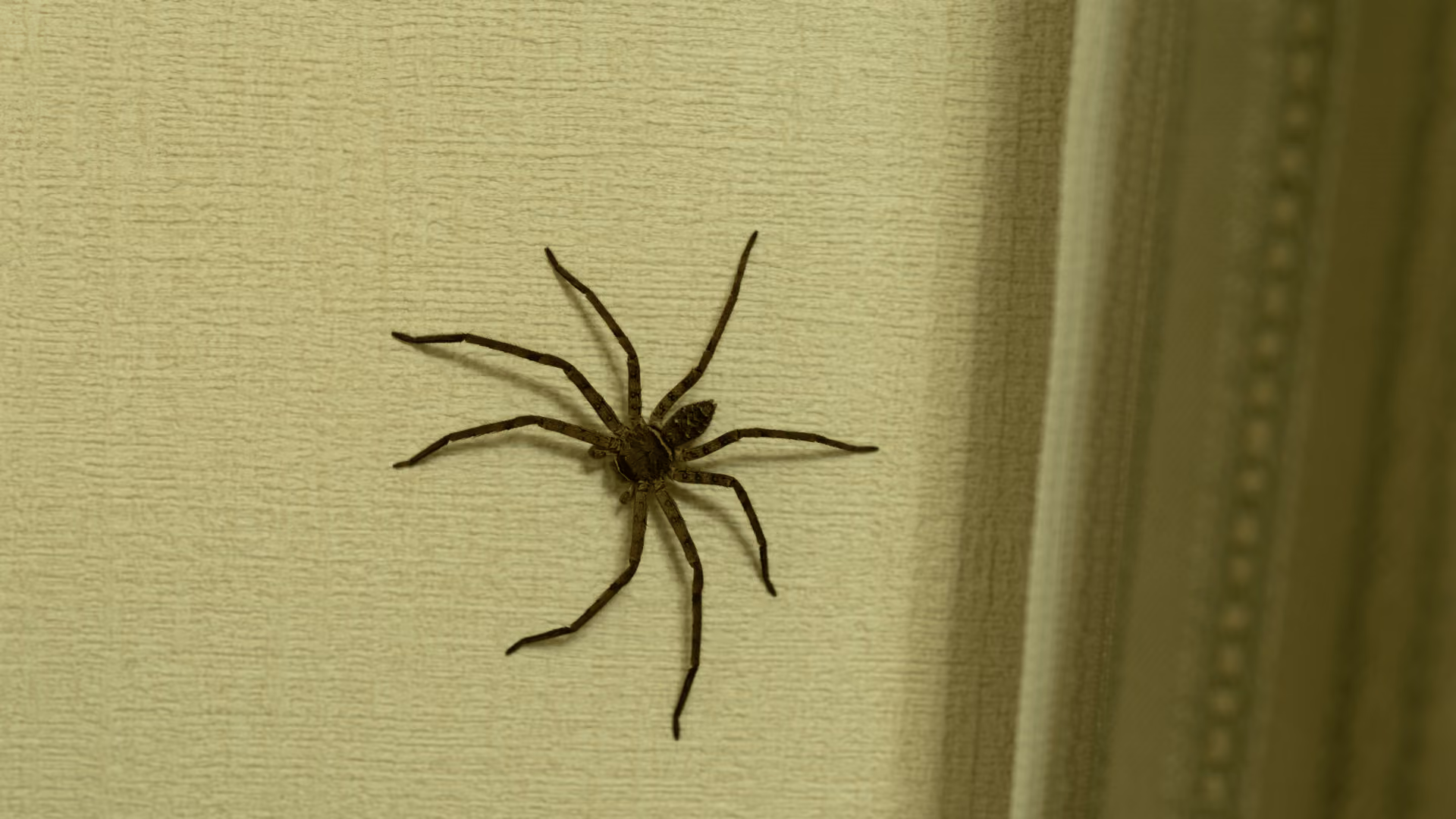
Spiders commonly follow the insects they eat indoors this time of year. Once inside, their webs can often be found in the corners of rooms, garages, and basements. While most spiders in our area are more of a nuisance than a threat, seeing them indoors can indicate that there are other pests living in your home.
Where Pests Are Getting In and How to Keep Them Out
The entry point question matters more than most homeowners realize. The pests you see in your kitchen or bathroom rarely entered through the kitchen or bathroom. They tend to enter through structural gaps lower in the foundation and travel through wall voids, plumbing chases, and floor penetrations before appearing in your living spaces.
Common entry points in coastal South Carolina homes include:
- Gaps around conduit and pipe penetrations in the slab
- Deteriorated weatherstripping on garage doors
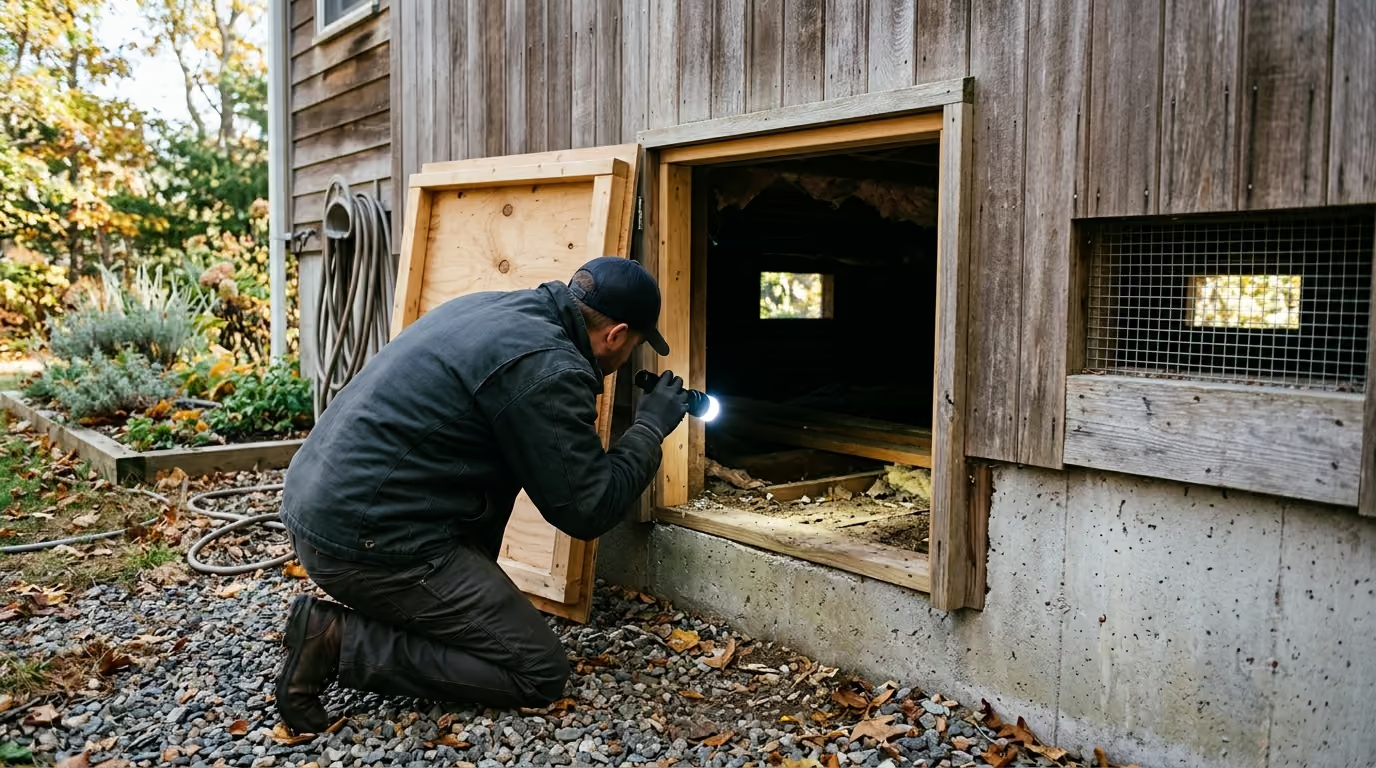
- Vents and crawlspace openings without intact screening
- Cracks in the foundation where settling has occurred over time
Homes that have had repairs or additions are often patchwork at the seams, which creates new gaps even in otherwise well-maintained structures.
This matters for treatment because surface-level applications don't address the entry route that allowed the pests inside. Spraying along baseboards where you see ants reduces visible activity temporarily, but if entry points and the source colony aren't addressed, the trail will return.
An effective, long-lasting solution starts with identifying where and how pests are getting inside, then treating accordingly. During our fall pest control services near North Myrtle Beach, we inspect for and seal any potential entry points to keep pests out.
What You Can Do Before Calling in a Professional
There are practical steps worth taking while you're waiting for a scheduled inspection or deciding whether to call. None of them replace professional treatment, but they reduce the pressure and can slow the rate at which pests are moving inside.
- Check door sweeps and weatherstripping on every exterior door, including the door between your garage and living space. Even a quarter-inch gap at the base is enough for most insects and mice to use.
- Look at where hoses, cables, and pipes enter your home and note any gaps around them.
- If your crawlspace vents are visible from the exterior, confirm the screens are intact.
- Eliminate standing water near your foundation. This reduces the moisture that attracts both ants and cockroaches.
These fixes reduce pest attractants and close off some access points. However, they won't eliminate an established colony, and they won't reach pests that are already inside. That's where professional indoor pest control becomes the practical next step, particularly if you're seeing consistent activity rather than isolated sightings.
FAQs About Fall Pest Control & Prevention in Coastal SC
Why am I seeing more bugs inside my home now that it's cooler outside?
Cooler temperatures push many pest species to seek warmer, more stable environments. Your home, especially areas like crawlspaces, wall voids, and kitchens, maintains a comfortable temperature for insects well into fall. Coastal areas like North Myrtle Beach see this shift later than inland regions because temperatures drop more gradually.
Is seeing cockroaches in October a sign of a larger infestation?
Not always, but repeated sightings in more than one area of your home usually indicate the pest has established harborage somewhere inside rather than wandering in from outside. Seeing a single cockroach near a door is different from consistent activity in your bathroom or kitchen. If you're seeing them regularly, it's worth having someone look at your crawlspace and utility areas.
Can I handle fall pest control myself, or do I need a pest control company?
Minor pressure from occasional invaders like crickets or a few ants near an entryway can often be managed with exclusion work and over-the-counter baits. Persistent ant trails, cockroach activity inside living spaces, or evidence of rodent nesting in the crawlspace typically require professional treatment to address the source rather than just the surface.
Do I need to worry about termites during the fall and winter months?
Termites stay active year-round in the coastal Carolinas. They don't swarm in fall, so they are easier to forget, but colonies continue feeding through the cooler months. If you haven't had a recent termite inspection for your home, fall is a good time to schedule one before issues compound over the winter.
How quickly can Pest & Termite Consultants get out to my home?
Scheduling depends on current demand, but fall is generally a more accessible time than peak summer. If you're dealing with active indoor pest pressure, reaching out sooner gives us more options. You can contact us directly to discuss what you're seeing and get an appointment scheduled.
Don’t Share Your Home With Pests This Fall
Indoor pest activity in October isn't unusual along the coast, but it also isn't something to wait out. The longer pests have access to your home, the more established they become, and the more work it takes to resolve the problem. If you're seeing consistent signs of an infestation or want to take precautions before pests move in, give us a call and we'll put together a plan built around what's actually happening in your home.