Why Late-Summer Pest Problems Are Harder to Control Around Raleigh
August in Raleigh doesn't feel like the tail end of pest season. Temperatures stay in the 90s, the humidity barely budges, and the afternoon thunderstorms keep rolling through. These late summer conditions allow many pests to continue thriving.
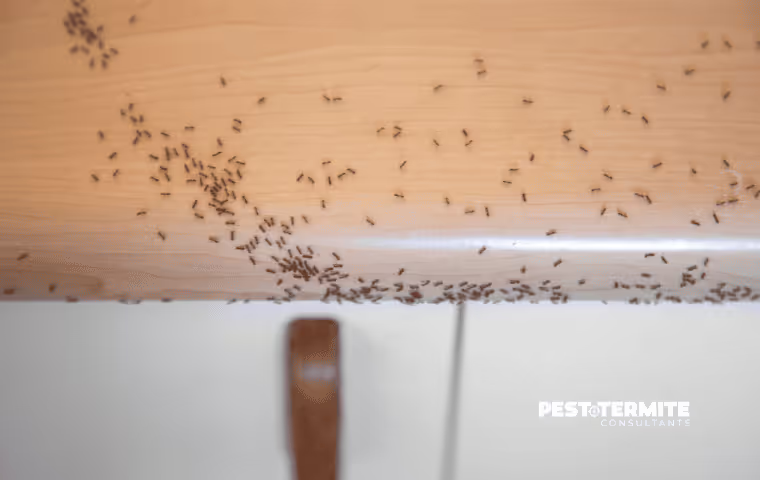
If you've noticed more ant trails, roaches showing up in unexpected spots, or mosquitoes that seem worse than they were in June, you are not alone. Many homeowners throughout Raleigh, Cary, Garner, Apex, and the surrounding communities are experiencing the same heightened pest pressure right now. Late summer pest control in Raleigh is often harder than spring treatment, and there are specific reasons why.
Understanding what's driving that pressure can help you make smarter decisions about protecting your home from pests and know when it's time to call in professional help instead of reaching for another can of spray.
Why Late Summer Is the Most Active Period for Many Pests
Spring gets most of the attention because that's when pest activity visibly picks back up after winter, but late summer is actually when many pest populations hit their peak for the year. Insects reproduce fast when temperatures stay high, and colonies that started building in April and May have had months to grow.
Take ants, for example. A fire ant mound that was established in late spring can be significantly larger by August, with a queen that's been producing eggs steadily through the warmest months.
The same logic applies to mosquito populations, which cycle from egg to adult in as little as a week when water temperatures are warm. More adults breeding means more eggs, which results in more mosquitoes in less time.
Roaches follow a similar pattern. American cockroaches, the large ones you might find in a garage or basement, reproduce more aggressively in hot, humid conditions. What started as a small group can grow into a much bigger problem by the time August arrives.
Pest pressure in late summer isn't just higher in terms of numbers. The populations themselves are more established, which makes them harder to knock back with a single treatment. This is one of the core reasons why late summer pest control requires more than a reactive approach.
How Raleigh's Summer Weather Keeps Making Things Worse
Raleigh sits in a climate zone that gives pests nearly everything they need from late spring through early fall. The combination of heat, humidity, and regular rain is ideal for a wide range of insects.
The afternoon thunderstorms that move through the Triangle in July and August are one of the most underappreciated drivers of pest activity. Standing water shows up fast after a heavy storm, even in yards that drain reasonably well. Gutters hold water. Low spots in landscaping pool up. Birdbaths overflow. Mosquitoes don't need much, either. A bottle cap's worth of still water is enough for a female to lay eggs.
Moisture also pushes pests toward structures. When soil gets saturated after a heavy rain, ground-nesting ants relocate. Moisture-loving pests like silverfish and roaches get forced out of damp areas under mulch or woodpiles and start looking for somewhere drier, which often means moving closer to or into your home.
The humidity itself matters too. Many insects lose moisture through their exoskeletons and need to stay in humid environments to survive. Raleigh's late summer humidity keeps outdoor conditions comfortable for them far longer each day than drier climates would. That means more activity, for more hours, across more of your property.
Why Pests Start Moving Indoors as Summer Pushes Into Fall
There's a window in late summer where outdoor conditions are still warm enough to keep pests active, but instinct starts driving some species toward shelter. Insects don't know a calendar date, but they respond to subtle environmental cues, including slight shifts in day length and overnight temperatures that start dropping in August, even when afternoons are still brutal.
The combination of high outdoor populations and increasing pressure toward indoor spaces is exactly why late summer tends to be the time homeowners notice pest problems accelerating. It's not one thing going wrong. It's several things happening at once, and that's harder to address without a plan.
What DIY Products Usually Can't Do at This Point in the Season
Store-bought sprays and baits aren't useless, but they have real limitations in late summer, and understanding those limits saves you time and money.
Most consumer-grade contact sprays kill what they touch. They don't address the entire colony or the source of the problem. Spraying ants you see on your kitchen counter eliminates a handful of workers, but does nothing to the queen producing thousands more. The remaining workers simply reroute around the treated area. You spray again, you see fewer ants briefly, and then they're back. This cycle can repeat for weeks.
The problem is compounded by colony size. A small ant colony in April might respond to a well-placed bait station. The same species in August, with a much larger, more established colony, requires more targeted treatment and often a different strategy altogether.
Mosquito control is an even clearer example. Consumer foggers provide temporary knockdown of adult mosquitoes in the immediate area, but they don't address breeding sites or larvae. A professional treatment focuses on both, which is why it holds longer. By late summer, with populations at their annual peak, consumer products can feel completely futile.
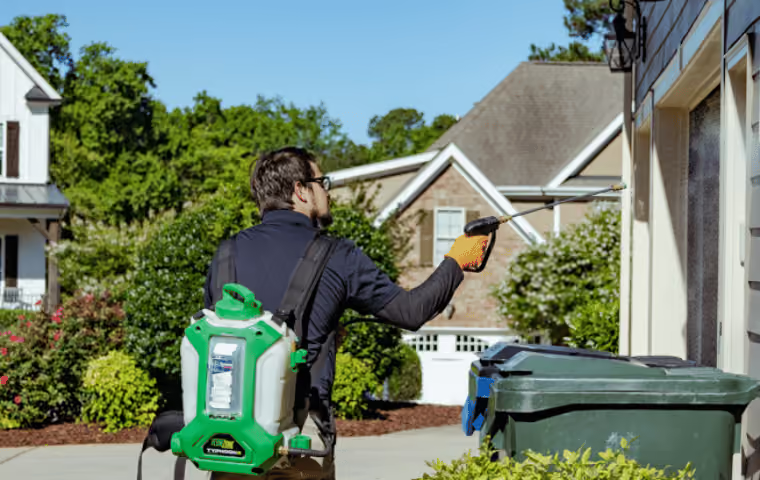
If you've been dealing with a recurring pest problem since early summer and over-the-counter products haven't resolved it, that's a clear signal that the underlying issue is bigger than a product can fix on its own. Our team at Pest & Termite Consultants can help you get to the source of the pressure instead of treating symptoms repeatedly.
How to Reduce Pest Pressure Before It Gets Inside
Professional treatment works best when paired with some consistent habits around the home. There's a lot you can do to make your property less attractive to pests, and late summer is a good time to focus on those steps.
- Start outside. Trim back any shrubs or tree branches that make contact with your roofline or siding. Vegetation against the structure gives pests a direct pathway. Keep mulch at least six inches away from the foundation. Mulch holds moisture and provides shelter, and a thick layer right against your home is a standing invitation for roaches, ants, and termites.
- Remove standing water. Clear up any standing water after storms, even small amounts. Check your gutters. If they hold water or have organic debris collecting in them, they become a mosquito breeding site above your roofline.
- Eliminate entry points. Seal entry points where you find them. Check the weather stripping around doors, the gaps where utility lines enter the house, and any cracks in the foundation. These become more important in late summer as pests start actively looking for ways in.
- Address moisture issues. Inside, focus on moisture control. Fix any dripping pipes or slow drains. Use ventilation in bathrooms and the kitchen. Cockroaches and silverfish are drawn to damp, dark spaces, so reducing moisture removes part of what's attracting them.
These steps support professional treatment but don't replace it. If you're in Raleigh, Cary, Garner, Apex, or nearby communities around Raleigh, reaching out to our team is a good place to start if problems are already present indoors.
FAQs About Late Summer Pest Control for Raleigh Homes
Is late summer actually worse than spring for pest problems?
In a lot of ways, yes. Spring gets more attention because that's when activity first becomes noticeable after winter, but pest populations in late summer are at or near their annual peak. Colonies have had months to grow, breeding cycles have compounded, and conditions in Raleigh stay favorable well into September. That makes late summer one of the harder times of year to get pest problems under control quickly.
Why are pests suddenly appearing inside my home when they weren't a problem earlier in the year?
Several things tend to converge at this point in the season. Outdoor populations are large and under pressure, heavy rains displace ground-nesting insects, and some species start instinctively looking for shelter as days get shorter. Your home provides consistent conditions, food sources, and moisture that make it appealing. Entry points that weren't a problem in May become active in August when the pressure outside is higher.
How often should a home in Raleigh receive professional pest treatment?
For most homes in the Raleigh area, quarterly service is a solid baseline. That schedule keeps product barriers active and allows a professional to catch early signs of activity before it becomes a bigger issue. Homes with prior infestations, significant tree coverage, or moisture issues around the foundation may benefit from more frequent attention. Late summer is a particularly important treatment window given peak population pressure.
Do I need separate treatments for different pests, or does one service cover everything?
That depends on the pest and the situation. A general perimeter treatment covers a broad range of common pests and is effective for keeping pressure down around the exterior of the home and inside. Specific issues like a termite problem, an active rodent intrusion, or a concentrated mosquito population typically call for targeted treatment on top of routine service. We assess what's actually present before recommending a course of action, so you're not paying for treatment you don't need.
Get Ahead of Pest Problems Before Fall Sets In
Late summer pest control in Raleigh is less about reacting to what you see and more about managing what's already out there before it gets worse. The conditions in August and early September keep pest populations active longer than many homeowners expect, and waiting until something shows up inside your house usually means the problem has already grown.
Whether you're dealing with a specific pest problem right now or just want to make sure your home stays protected through the rest of the season, our team at Pest & Termite Consultants is ready to help. We offer pest control services in Raleigh and the surrounding areas that focus on real solutions, not repeat visits for the same problem. Call (919) 646-3505 today to schedule a service visit.