The Crew In Blue
Cary, NC
Cary, NC
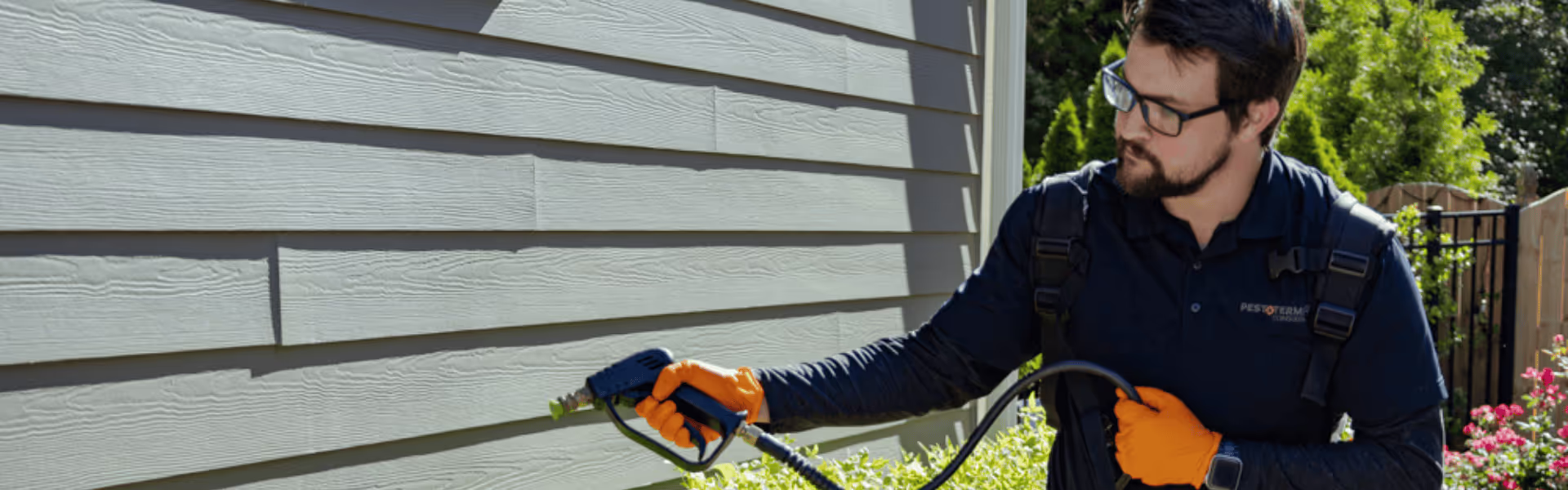
pest and termite consultants technician spraying for mosquitoes
Request Your Free Quote
Thank you! Your submission has been received!
Oops! Something went wrong while submitting the form.
Get Started Now

Pest Control in Cary, NC

Cary is one of the largest and most established suburbs in the Triangle, a planned community of over 175,000 residents in western Wake County known for its mature tree canopy, extensive greenway system, and consistently high quality of life. The same features that make Cary desirable — dense hardwood canopies, preserved stream corridors along Swift Creek and Crabtree Creek, and the expansive Hemlock Bluffs Nature Preserve — also sustain year-round pest populations. Cary's Piedmont clay soils retain moisture that feeds termite colonies, the connected creek and greenway corridors provide habitat and travel routes for wildlife and rodents, and the mature landscaping throughout the town's established neighborhoods creates ideal conditions for ants, mosquitoes, and moisture-dependent pests. Our Raleigh office serves Cary and all of western Wake County.

Home Pest Control in Cary

Cary's residential neighborhoods range from the established communities of the 1970s and 1980s in central and eastern Cary to the newer developments near Carpenter and along the western edge toward Chatham County. The older neighborhoods — Kildaire Farms, Lochmere, Preston — have decades of mature landscaping, established tree canopies, and aging infrastructure that create classic pest entry conditions. The newer western communities deal with construction-related pest displacement from recently cleared land. Throughout the town, Cary's emphasis on tree preservation means most properties have significant canopy coverage, which provides moisture retention and shade conditions that favor many pest species. Our residential pest control program provides quarterly treatments calibrated for Cary's specific landscape and construction characteristics.

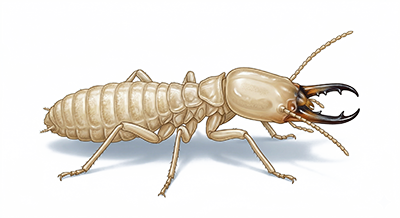
Termite Control in Cary

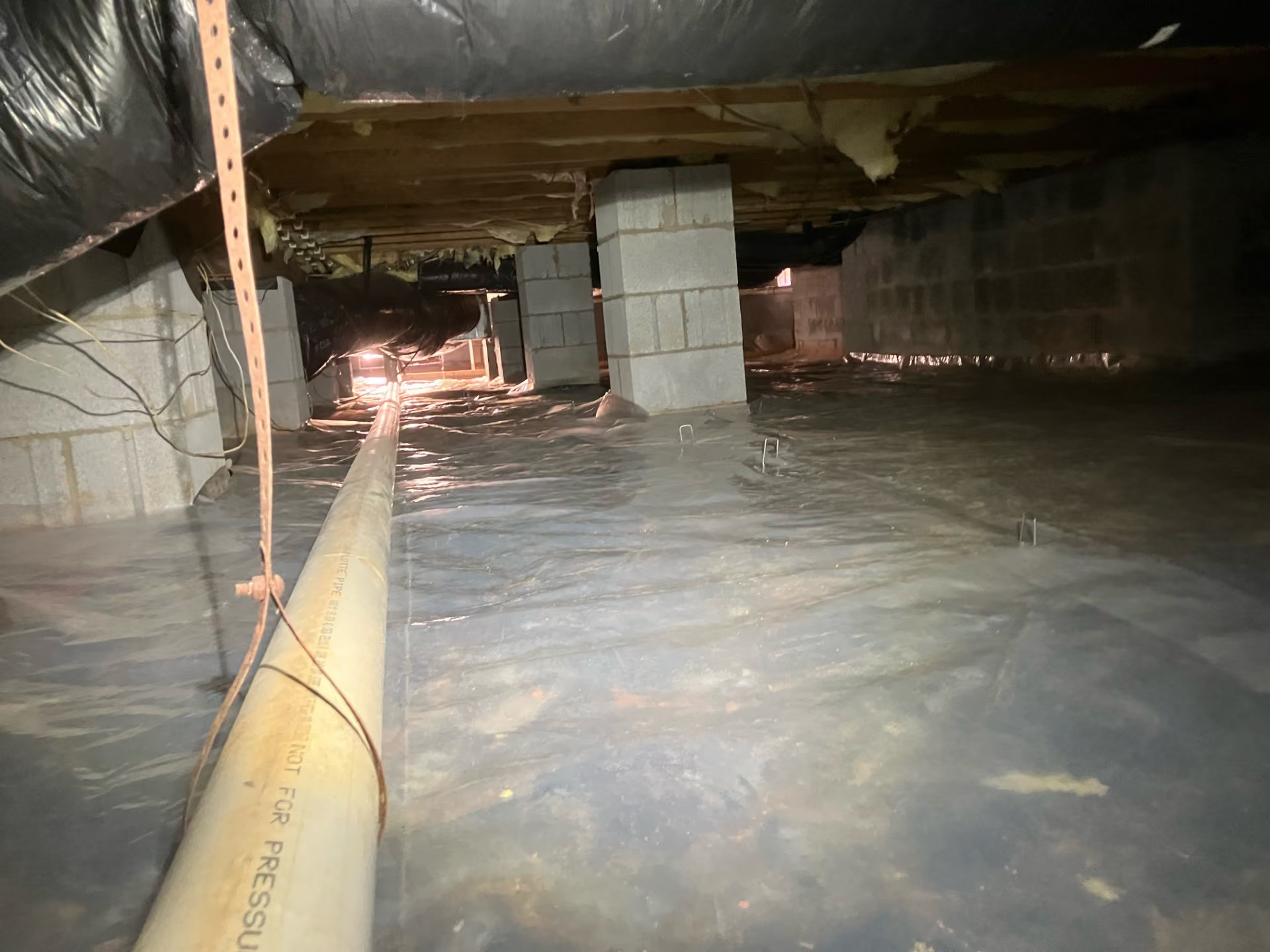
Wake County's Piedmont clay soils and Cary's dense tree canopy create a high-risk termite environment across the entire town. The mature trees and preserved stream buffers maintain elevated soil moisture even during dry periods, and the clay itself retains water at depth year-round. Cary's older homes — particularly those from the 1970s through the 1990s — have had decades of soil-to-wood contact and foundation exposure that increase termite risk. Our termite control services include thorough inspections, liquid barrier treatments optimized for Piedmont clay, and monitoring systems that detect activity early.

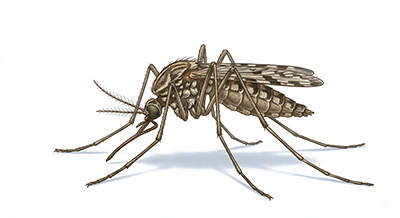
Mosquito Control in Cary

Swift Creek, Crabtree Creek, and the network of tributaries and stormwater features that thread through Cary's neighborhoods create extensive mosquito breeding habitat. The town's commitment to preserving stream buffers and natural areas provides environmental benefits but also maintains permanent mosquito breeding sites within or adjacent to residential neighborhoods. Our mosquito reduction program targets breeding sites and adult resting areas on your property to provide meaningful relief from April through October.

Rodent Control in Cary

Cary's extensive greenway system and preserved stream corridors create connected wildlife travel routes that run directly through residential neighborhoods. Rats, mice, squirrels, and other wildlife use these corridors to move between habitat areas, and the mature landscaping in Cary's established neighborhoods provides abundant cover and food sources near homes. Our rodent control services include inspections, professional exclusion, and targeted trapping programs.

Get Started With Pest & Termite Consultants Today
Branded image of a residential cape homeWhite concentric circles with an irregular hand-drawn style on a black background.
Subtle light grey concentric circular arcs on a white background.
Cary, NC

Common pest issues in the greater Raleigh Area

Local Pest Insights for Cary, NC

Cary's pest environment is shaped by two defining features: the town's mature tree canopy and its extensive network of preserved stream corridors. Unlike newer Triangle suburbs where development cleared most of the existing vegetation, Cary's tree preservation ordinances have maintained a dense hardwood canopy across much of the town. This canopy retains moisture, moderates temperatures, and provides habitat for insects, birds, and wildlife at a level unusual for a suburb of Cary's size. The result is a pest environment that more closely resembles a wooded Piedmont setting than a typical suburban landscape.

The creek and greenway corridors add a second layer of pest infrastructure. Swift Creek, Crabtree Creek, White Oak Creek, and their tributaries connect preserved natural areas through the heart of Cary's residential neighborhoods. These corridors serve as travel routes for wildlife and rodents, breeding habitat for mosquitoes, and moisture sources that sustain termite colonies in adjacent properties. A home in Cary may be in a dense suburban setting by every visual measure, but if it backs to a greenway or stream buffer, its pest exposure profile is significantly elevated compared to a property on a standard interior lot.

Why Choose Pest & Termite Consultants in Cary?

Cary's combination of mature canopy, preserved natural corridors, and dense suburban development creates a pest environment that requires more nuanced treatment than a standard suburban spray program. Our technicians assess each property's canopy density, proximity to greenways and stream buffers, construction age, foundation type, and specific moisture conditions to design treatment plans that account for Cary's unique landscape. We understand that a Kildaire Farms home backing to a greenway has fundamentally different pest exposure than an interior lot in the same neighborhood.

Additional Pest Control Services in Cary

Cary's commercial corridors — from the restaurants and shops of Waverly Place and Crossroads Plaza to the office parks along Weston Parkway and the mixed-use developments in downtown Cary — require professional pest management. Our commercial pest control services provide code-compliant programs for food service, retail, healthcare, office environments, and multi-family properties throughout Cary.

Service Areas Near Cary

From our Raleigh office, we serve Cary and the surrounding communities including Apex, Morrisville, Holly Springs, and Raleigh. We also serve Durham, Chapel Hill, and communities throughout the Triangle.

Frequently Asked Questions About Pest Control in Cary

Does Cary's tree canopy affect pest problems?

Yes, significantly. Cary's dense hardwood canopy retains moisture in the soil and on structures, moderates temperatures in ways that extend pest activity seasons, and provides habitat for insects and wildlife at levels well above what a typical suburban setting would produce. Properties with heavy canopy coverage and mature landscaping generally experience higher pest pressure than those on more open lots, particularly for termites, carpenter ants, and moisture-dependent insects.

Are termites common in Cary?

Very common. Wake County's Piedmont clay soils combined with Cary's moisture-retaining tree canopy create ideal termite conditions. Cary's homes from the 1970s through the 1990s — which represent a large portion of the housing stock — have had decades of soil-to-wood contact under conditions that favor termite colonization. Annual termite inspections are essential for every Cary home, regardless of construction age.

Do greenway-adjacent homes need more pest control?

Homes backing to Cary's greenways, stream buffers, and preserved natural areas typically experience elevated pest pressure compared to interior lots. The creek corridors and greenways serve as wildlife travel routes, mosquito breeding habitat, and moisture sources that sustain pest populations year-round. We recommend more aggressive perimeter treatments and more frequent monitoring for greenway-adjacent properties.

What mosquito control options do you offer for Cary homes?

Our mosquito reduction program includes regular treatments of breeding sites and adult resting areas on your property, typically from April through October. For properties near Swift Creek, Crabtree Creek, or other water features, we may recommend more frequent treatments and a broader treatment zone. While we can't eliminate mosquitoes from the creek corridors themselves, we can significantly reduce populations on your property to make outdoor spaces more enjoyable.

How often should I have pest control in Cary?

Quarterly treatments work well for most Cary homes. The Triangle's mild climate keeps pest species active year-round, and Cary's canopy and creek corridors sustain populations through the cooler months. Quarterly service maintains consistent protection and lets us monitor for seasonal shifts — termite swarm season in spring, peak mosquito season in summer, rodent intrusion in fall, and overwintering pests in winter.

Do you serve the newer neighborhoods in western Cary?

Yes. We serve all of Cary including the newer communities near Carpenter, Green Level, and along the western growth corridor. These newer neighborhoods face a different pest profile than established Cary — more construction-displacement activity and recently disturbed soils — and our treatments are adapted accordingly.

Ready to protect your Cary home or business from pests? Contact Pest & Termite Consultants today or call (919) 246-8831 to schedule your free inspection.

Local Pest Insights for Cary, NC

Cary's pest environment is shaped by two defining features: the town's mature tree canopy and its extensive network of preserved stream corridors. Unlike newer Triangle suburbs where development cleared most of the existing vegetation, Cary's tree preservation ordinances have maintained a dense hardwood canopy across much of the town. This canopy retains moisture, moderates temperatures, and provides habitat for insects, birds, and wildlife at a level unusual for a suburb of Cary's size. The result is a pest environment that more closely resembles a wooded Piedmont setting than a typical suburban landscape.

The creek and greenway corridors add a second layer of pest infrastructure. Swift Creek, Crabtree Creek, White Oak Creek, and their tributaries connect preserved natural areas through the heart of Cary's residential neighborhoods. These corridors serve as travel routes for wildlife and rodents, breeding habitat for mosquitoes, and moisture sources that sustain termite colonies in adjacent properties. A home in Cary may be in a dense suburban setting by every visual measure, but if it backs to a greenway or stream buffer, its pest exposure profile is significantly elevated compared to a property on a standard interior lot.

Why Choose Pest & Termite Consultants in Cary?

Cary's combination of mature canopy, preserved natural corridors, and dense suburban development creates a pest environment that requires more nuanced treatment than a standard suburban spray program. Our technicians assess each property's canopy density, proximity to greenways and stream buffers, construction age, foundation type, and specific moisture conditions to design treatment plans that account for Cary's unique landscape. We understand that a Kildaire Farms home backing to a greenway has fundamentally different pest exposure than an interior lot in the same neighborhood.

Additional Pest Control Services in Cary

Cary's commercial corridors — from the restaurants and shops of Waverly Place and Crossroads Plaza to the office parks along Weston Parkway and the mixed-use developments in downtown Cary — require professional pest management. Our commercial pest control services provide code-compliant programs for food service, retail, healthcare, office environments, and multi-family properties throughout Cary.

Service Areas Near Cary

From our Raleigh office, we serve Cary and the surrounding communities including Apex, Morrisville, Holly Springs, and Raleigh. We also serve Durham, Chapel Hill, and communities throughout the Triangle.

Frequently Asked Questions About Pest Control in Cary

Does Cary's tree canopy affect pest problems?

Yes, significantly. Cary's dense hardwood canopy retains moisture in the soil and on structures, moderates temperatures in ways that extend pest activity seasons, and provides habitat for insects and wildlife at levels well above what a typical suburban setting would produce. Properties with heavy canopy coverage and mature landscaping generally experience higher pest pressure than those on more open lots, particularly for termites, carpenter ants, and moisture-dependent insects.

Are termites common in Cary?

Very common. Wake County's Piedmont clay soils combined with Cary's moisture-retaining tree canopy create ideal termite conditions. Cary's homes from the 1970s through the 1990s — which represent a large portion of the housing stock — have had decades of soil-to-wood contact under conditions that favor termite colonization. Annual termite inspections are essential for every Cary home, regardless of construction age.

Do greenway-adjacent homes need more pest control?

Homes backing to Cary's greenways, stream buffers, and preserved natural areas typically experience elevated pest pressure compared to interior lots. The creek corridors and greenways serve as wildlife travel routes, mosquito breeding habitat, and moisture sources that sustain pest populations year-round. We recommend more aggressive perimeter treatments and more frequent monitoring for greenway-adjacent properties.

What mosquito control options do you offer for Cary homes?

Our mosquito reduction program includes regular treatments of breeding sites and adult resting areas on your property, typically from April through October. For properties near Swift Creek, Crabtree Creek, or other water features, we may recommend more frequent treatments and a broader treatment zone. While we can't eliminate mosquitoes from the creek corridors themselves, we can significantly reduce populations on your property to make outdoor spaces more enjoyable.

How often should I have pest control in Cary?

Quarterly treatments work well for most Cary homes. The Triangle's mild climate keeps pest species active year-round, and Cary's canopy and creek corridors sustain populations through the cooler months. Quarterly service maintains consistent protection and lets us monitor for seasonal shifts — termite swarm season in spring, peak mosquito season in summer, rodent intrusion in fall, and overwintering pests in winter.

Do you serve the newer neighborhoods in western Cary?

Yes. We serve all of Cary including the newer communities near Carpenter, Green Level, and along the western growth corridor. These newer neighborhoods face a different pest profile than established Cary — more construction-displacement activity and recently disturbed soils — and our treatments are adapted accordingly.

Ready to protect your Cary home or business from pests? Contact Pest & Termite Consultants today or call (919) 246-8831 to schedule your free inspection.

Request Your Free Quote
Thank you! Your submission has been received!
Oops! Something went wrong while submitting the form.
Get Started Now

Contact the Crew in Blue

For Your Free Quote Today!

For Your Free Quote Today!