Pest Control in Raleigh, NC
Raleigh is the capital of North Carolina and the anchor of the Triangle region, a city of nearly half a million residents spread across Wake County's Piedmont landscape. The city's rapid growth over the past two decades has transformed former farmland and forest into one of the Southeast's largest metro areas, but the natural environment that makes Raleigh attractive — mature tree canopies, the Neuse River corridor, Crabtree Creek, Falls Lake to the north, and dozens of greenway-connected parks — also sustains year-round pest pressure. Raleigh's Piedmont clay soils retain moisture that feeds termite colonies, the city's extensive waterways breed mosquitoes from April through October, and the mix of older neighborhoods and new construction creates diverse entry points for ants, roaches, rodents, and wildlife. Our Raleigh office is the headquarters of Pest & Termite Consultants, and we serve the entire Wake County metro.
Home Pest Control in Raleigh
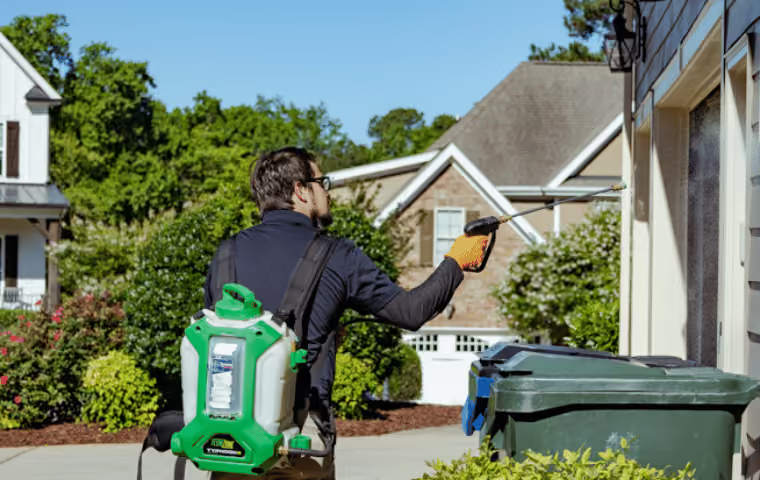
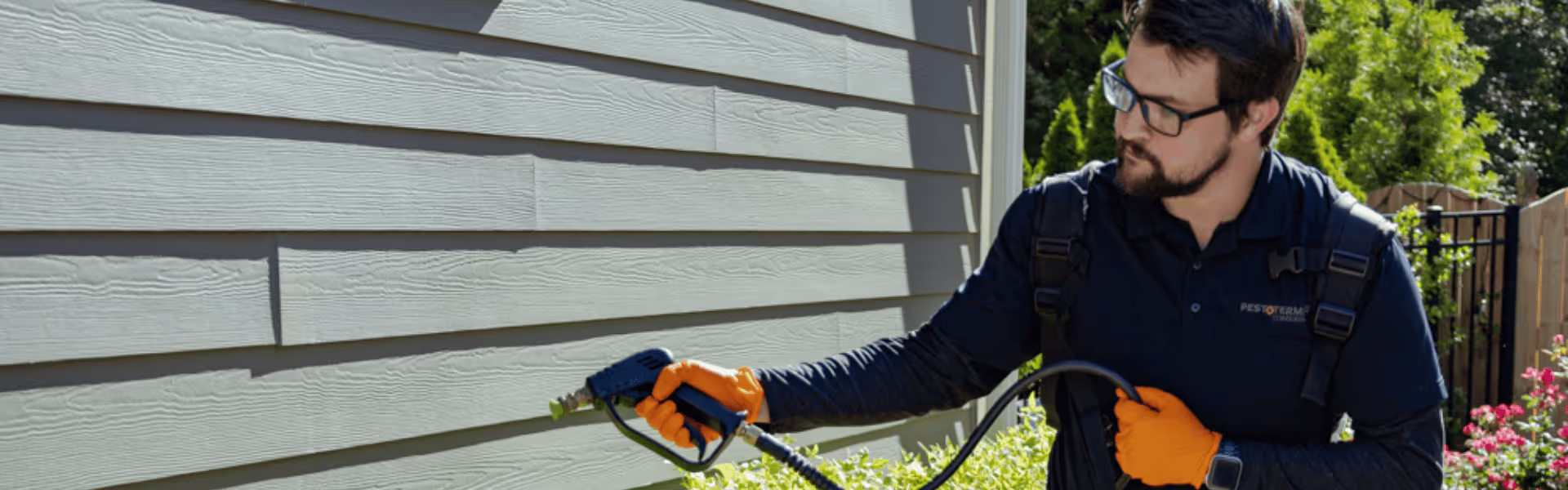
Raleigh's residential landscape spans nearly a century of construction — from the historic homes of Oakwood, Boylan Heights, and Cameron Park to the mid-century neighborhoods of North Hills and Longview, to the modern subdivisions spreading north toward Wake Forest and west toward Cary. Each era of construction brings different pest vulnerabilities: older homes with original crawl spaces and pier foundations face classic termite and moisture-pest conditions, while newer homes on recently cleared lots deal with construction-displacement pests and the settling cracks that develop in the first few years. Our residential pest control program provides quarterly treatments customized for your home's age, construction type, and neighborhood environment.
Termite Control in Raleigh
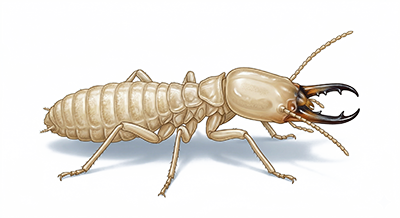
Wake County's Piedmont clay soils create ideal conditions for subterranean termites across the entire Raleigh metro. The clay retains moisture at depth even during summer dry spells, sustaining active termite colonies year-round. Raleigh's older neighborhoods — particularly those inside the Beltline with homes dating from the 1920s through the 1960s — face the highest risk from decades of soil-to-wood contact and foundation settling. But newer construction is not immune: the disturbed clay around recently built foundations attracts termite foraging, and settlement cracks provide entry points. Our termite control services include comprehensive inspections, liquid barrier treatments engineered for Piedmont clay, and monitoring systems that catch activity before damage occurs.
Mosquito Control in Raleigh
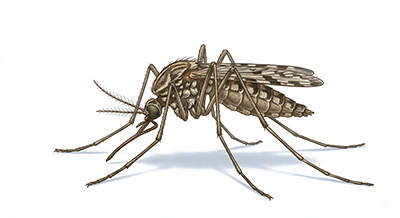
The Neuse River, Crabtree Creek, Walnut Creek, and Raleigh's extensive greenway system create a connected network of mosquito breeding habitat that threads through the entire city. Falls Lake to the north and the numerous stormwater retention ponds in newer developments add additional breeding sites. Raleigh's warm, humid summers from May through September sustain heavy mosquito populations that make outdoor living uncomfortable without professional management. Our mosquito reduction program targets breeding sites and adult resting areas on your property to provide meaningful relief throughout mosquito season.
Rodent Control in Raleigh
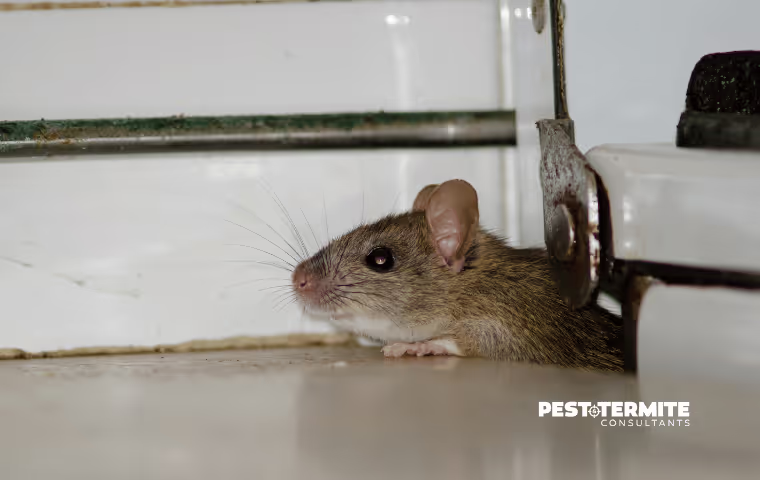
Raleigh's combination of mature neighborhoods, active construction zones, and extensive greenway corridors creates multiple rodent pathways into residential areas. Rats and mice travel along the creek and greenway corridors that connect Raleigh's neighborhoods, and the ongoing development on the city's edges displaces field rodents toward existing homes. Older neighborhoods with mature landscaping and aging infrastructure provide abundant harborage, while new construction offers entry points through settling gaps. Our rodent control services include thorough inspections, professional exclusion, and targeted trapping programs.



Local Pest Insights for Raleigh, NC
Raleigh's position as a fast-growing Piedmont city creates a pest environment that combines urban, suburban, and semi-rural pressures. The city has grown outward in every direction, absorbing former agricultural land and forest into new residential and commercial developments. This growth pattern means that even neighborhoods well within the Beltline are never far from the creek corridors, greenways, and wooded buffers that sustain wildlife and insect populations. The Neuse River basin, which drains most of eastern Wake County, provides a regional moisture source that influences pest conditions across the metro.
The Triangle's climate — hot, humid summers and mild winters that rarely sustain hard freezes — allows many pest species to remain active year-round. Termites forage continuously in the moisture-retaining clay. Mosquito season stretches from late March into November in warm years. Rodents don't face the winter die-offs that limit populations in colder climates. And the mild winters allow ant colonies, cockroach populations, and other household pests to sustain themselves through the cooler months rather than going fully dormant. Effective pest management in Raleigh requires year-round attention, not just seasonal treatment.
Why Choose Pest & Termite Consultants in Raleigh?
As Raleigh's locally headquartered pest management company, we've built our service around the specific conditions that affect Triangle homes. Our technicians know the difference between treating a 1940s Oakwood bungalow and a 2020 subdivision home in North Raleigh — different construction, different vulnerabilities, different treatment approaches. We track how Raleigh's ongoing development reshapes local pest patterns and adjust our protocols accordingly, from the Neuse River corridor neighborhoods to the Falls Lake communities to the rapidly growing areas along I-540.
Additional Pest Control Services in Raleigh
Raleigh's diverse commercial landscape — from downtown restaurants and retail to Research Triangle Park offices to the growing mixed-use developments along Capital Boulevard and Glenwood Avenue — requires professional pest management tailored to each business type. Our commercial pest control services provide code-compliant programs for food service, retail, hospitality, healthcare, office environments, and multi-family properties throughout the Raleigh metro.
Service Areas Near Raleigh
From our Raleigh headquarters, we serve the entire Wake County metro and surrounding communities including Cary, Apex, Wake Forest, Morrisville, Garner, Clayton, and Knightdale. We also serve Durham, Chapel Hill, and communities across the Triangle.
Frequently Asked Questions About Pest Control in Raleigh
What pests are most common in Raleigh homes?
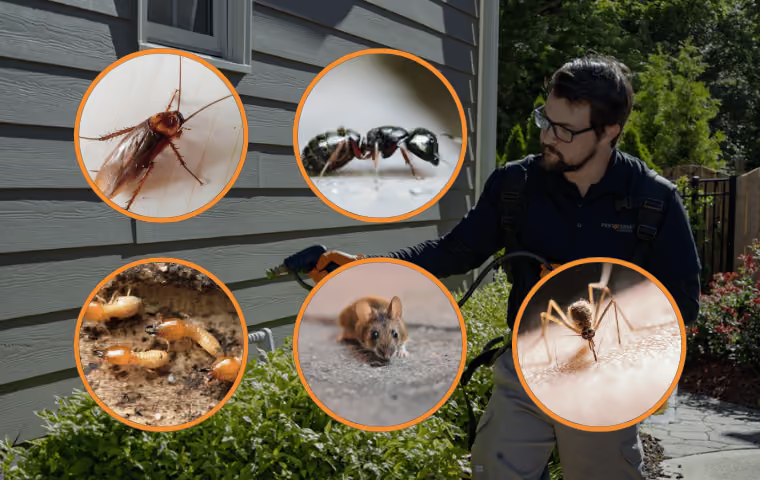
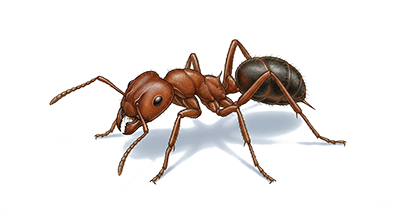
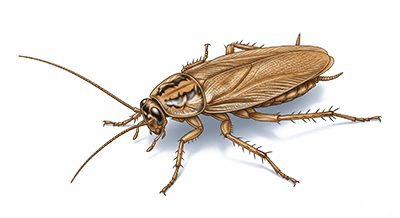
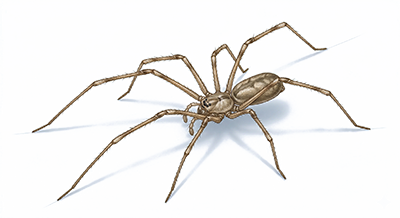
The most common household pests in Raleigh include ants (particularly odorous house ants and carpenter ants), cockroaches (American and German), subterranean termites, mosquitoes, spiders, and rodents. The specific pest mix varies by neighborhood, construction age, and proximity to water features — homes near Crabtree Creek or the Neuse River tend to see more mosquitoes and moisture-dependent pests, while older neighborhoods inside the Beltline deal more frequently with termites and carpenter ants.
How often should I have my Raleigh home treated for pests?
We recommend quarterly treatments for most Raleigh homes. The Triangle's mild climate allows pest species to remain active year-round, so seasonal-only treatment leaves gaps that allow populations to rebuild. Quarterly service maintains a consistent protective barrier and allows our technicians to catch emerging issues before they become infestations. Homes with specific risk factors — heavy tree canopy, creek proximity, older construction — may benefit from more frequent monitoring.
Are termites really that common in Raleigh?
Yes. The Raleigh metro consistently ranks among the highest-risk termite zones in the United States. Wake County's Piedmont clay soils retain the moisture that subterranean termites need, and the mild winters allow year-round foraging. Every home in Raleigh — regardless of age or construction type — should have an annual termite inspection. Older homes with original foundations face the highest risk, but new construction on clay soils is also vulnerable within a few years of completion.
Do you offer mosquito control for Raleigh backyards?
Yes. Our mosquito reduction program targets both breeding sites and adult resting areas on your property. We treat from early spring through late fall, with service frequency tailored to your property's mosquito pressure. Properties near Crabtree Creek, the Neuse River, or stormwater features typically require more aggressive treatment schedules than those on higher, drier ground.
What should I do if I find termite swarmers in my Raleigh home?
Termite swarmers — the winged reproductives that emerge in spring, typically March through May in Raleigh — indicate an active, mature colony nearby. If you see swarmers inside your home, contact us for a free inspection. Don't disturb the swarmers or spray them with household pesticide, as their location helps us identify the colony's entry point and determine the scope of any existing damage.
How is Raleigh's growth affecting pest problems?
Raleigh's rapid expansion displaces wildlife and insect populations from cleared land into adjacent developed areas. Neighborhoods near active construction sites typically experience increased rodent, snake, and displaced-insect activity. The conversion of farmland also eliminates the open habitat that field rodents occupied, pushing them toward residential structures. As Raleigh continues growing outward along the I-540 corridor and beyond, properties on the development edge will continue to face elevated pest pressure during the transition period.
Ready to protect your Raleigh home or business from pests? Contact Pest & Termite Consultants today or call (919) 246-8831 to schedule your free inspection.
Local Pest Insights for Raleigh, NC
Raleigh's position as a fast-growing Piedmont city creates a pest environment that combines urban, suburban, and semi-rural pressures. The city has grown outward in every direction, absorbing former agricultural land and forest into new residential and commercial developments. This growth pattern means that even neighborhoods well within the Beltline are never far from the creek corridors, greenways, and wooded buffers that sustain wildlife and insect populations. The Neuse River basin, which drains most of eastern Wake County, provides a regional moisture source that influences pest conditions across the metro.
The Triangle's climate — hot, humid summers and mild winters that rarely sustain hard freezes — allows many pest species to remain active year-round. Termites forage continuously in the moisture-retaining clay. Mosquito season stretches from late March into November in warm years. Rodents don't face the winter die-offs that limit populations in colder climates. And the mild winters allow ant colonies, cockroach populations, and other household pests to sustain themselves through the cooler months rather than going fully dormant. Effective pest management in Raleigh requires year-round attention, not just seasonal treatment.
Why Choose Pest & Termite Consultants in Raleigh?
As Raleigh's locally headquartered pest management company, we've built our service around the specific conditions that affect Triangle homes. Our technicians know the difference between treating a 1940s Oakwood bungalow and a 2020 subdivision home in North Raleigh — different construction, different vulnerabilities, different treatment approaches. We track how Raleigh's ongoing development reshapes local pest patterns and adjust our protocols accordingly, from the Neuse River corridor neighborhoods to the Falls Lake communities to the rapidly growing areas along I-540.
Additional Pest Control Services in Raleigh
Raleigh's diverse commercial landscape — from downtown restaurants and retail to Research Triangle Park offices to the growing mixed-use developments along Capital Boulevard and Glenwood Avenue — requires professional pest management tailored to each business type. Our commercial pest control services provide code-compliant programs for food service, retail, hospitality, healthcare, office environments, and multi-family properties throughout the Raleigh metro.
Service Areas Near Raleigh
From our Raleigh headquarters, we serve the entire Wake County metro and surrounding communities including Cary, Apex, Wake Forest, Morrisville, Garner, Clayton, and Knightdale. We also serve Durham, Chapel Hill, and communities across the Triangle.
Frequently Asked Questions About Pest Control in Raleigh
What pests are most common in Raleigh homes?
The most common household pests in Raleigh include ants (particularly odorous house ants and carpenter ants), cockroaches (American and German), subterranean termites, mosquitoes, spiders, and rodents. The specific pest mix varies by neighborhood, construction age, and proximity to water features — homes near Crabtree Creek or the Neuse River tend to see more mosquitoes and moisture-dependent pests, while older neighborhoods inside the Beltline deal more frequently with termites and carpenter ants.
How often should I have my Raleigh home treated for pests?
We recommend quarterly treatments for most Raleigh homes. The Triangle's mild climate allows pest species to remain active year-round, so seasonal-only treatment leaves gaps that allow populations to rebuild. Quarterly service maintains a consistent protective barrier and allows our technicians to catch emerging issues before they become infestations. Homes with specific risk factors — heavy tree canopy, creek proximity, older construction — may benefit from more frequent monitoring.
Are termites really that common in Raleigh?
Yes. The Raleigh metro consistently ranks among the highest-risk termite zones in the United States. Wake County's Piedmont clay soils retain the moisture that subterranean termites need, and the mild winters allow year-round foraging. Every home in Raleigh — regardless of age or construction type — should have an annual termite inspection. Older homes with original foundations face the highest risk, but new construction on clay soils is also vulnerable within a few years of completion.
Do you offer mosquito control for Raleigh backyards?
Yes. Our mosquito reduction program targets both breeding sites and adult resting areas on your property. We treat from early spring through late fall, with service frequency tailored to your property's mosquito pressure. Properties near Crabtree Creek, the Neuse River, or stormwater features typically require more aggressive treatment schedules than those on higher, drier ground.
What should I do if I find termite swarmers in my Raleigh home?
Termite swarmers — the winged reproductives that emerge in spring, typically March through May in Raleigh — indicate an active, mature colony nearby. If you see swarmers inside your home, contact us for a free inspection. Don't disturb the swarmers or spray them with household pesticide, as their location helps us identify the colony's entry point and determine the scope of any existing damage.
How is Raleigh's growth affecting pest problems?
Raleigh's rapid expansion displaces wildlife and insect populations from cleared land into adjacent developed areas. Neighborhoods near active construction sites typically experience increased rodent, snake, and displaced-insect activity. The conversion of farmland also eliminates the open habitat that field rodents occupied, pushing them toward residential structures. As Raleigh continues growing outward along the I-540 corridor and beyond, properties on the development edge will continue to face elevated pest pressure during the transition period.
Ready to protect your Raleigh home or business from pests? Contact Pest & Termite Consultants today or call (919) 246-8831 to schedule your free inspection.