Why Mosquito Problems Keep Hanging Around Durham Into Late Summer
August in Durham doesn't feel like the tail end of mosquito season. It feels like the middle of it. The humidity stays thick, afternoon storms roll through several times a week, and standing water shows up in spots you'd never think to check.
If you've noticed mosquitoes are just as bad now as they were in June, you're not imagining it. Late summer is actually one of the more persistent stretches of the year for mosquito pressure in this area, and there are specific reasons why that happens. Understanding what's driving it makes a real difference in how you approach mosquito treatment in Durham and the surrounding communities.
Why August Keeps Mosquito Pressure High in Durham
Most people assume mosquito season peaks in June and gradually winds down. That's partly true for some regions, but central North Carolina plays by different rules. Durham's combination of warm nights, regular afternoon rain, high humidity, and the Piedmont's clay-heavy soils creates breeding conditions that stay productive well into fall.
Warm Weather Keeps Mosquitoes Active
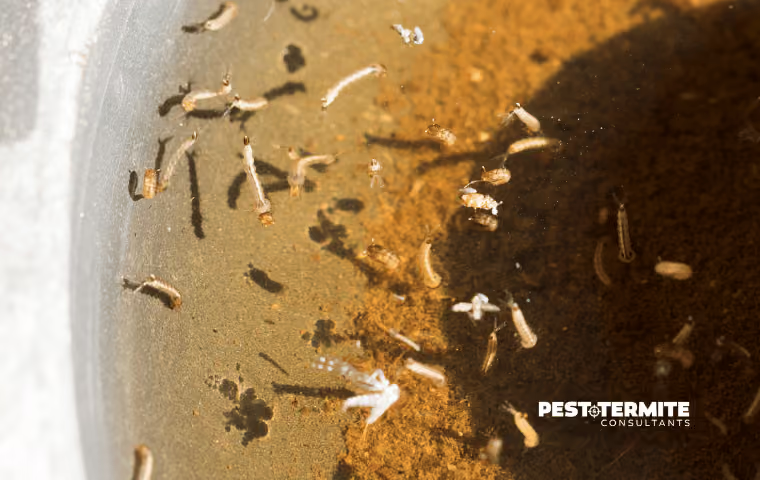
The key factor is temperature. Mosquito larvae develop faster in warmer water. During August, standing water in shaded spots like gutters, tarps, bird baths, and low spots in yards stays warm enough to support rapid development. The lifecycle from egg to adult can be as short as seven to ten days under these conditions, which means new adult mosquitoes are emerging constantly even as older ones die off.
By late summer, mosquito populations have also had months to build. The mosquitoes homeowners encounter in August are not simply the same insects that appeared earlier in the year. Multiple generations may have developed throughout spring and summer.
This accumulated population pressure is one reason mosquitoes can remain so noticeable even after the hottest part of summer begins to pass.
Summer Rain Keeps Creating New Breeding Sites
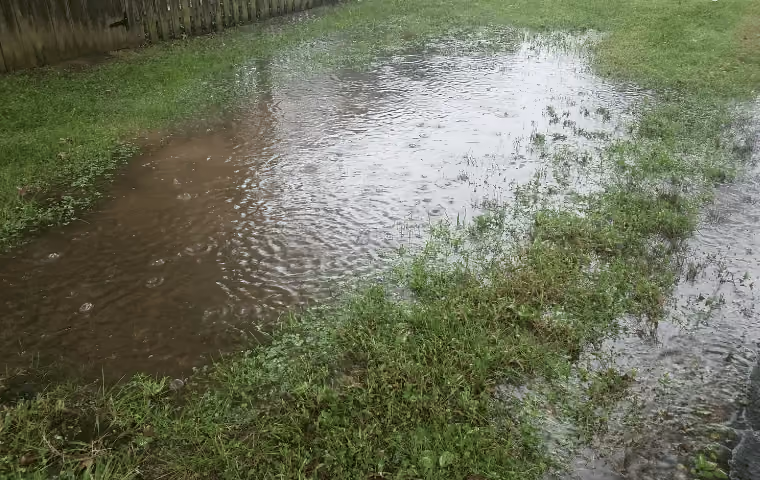
There's also the matter of rainfall patterns. Late summer storms in Durham are frequent but often short, which means small containers and debris piles collect water and don't fully drain before the next storm hits. That cycle keeps breeding sites active throughout late summer.
Around Durham homes, breeding sites can develop in:
- Clogged gutters
- Flower pot saucers
- Bird baths
- Buckets and containers
- Children's outdoor toys
- Tarps and covers
- Low areas in the lawn
- Poorly draining landscaping
Regularly eliminating standing water remains an important part of mosquito prevention throughout late summer.
Humidity Helps Mosquitoes Stay Around Your Yard
Durham summers do not just bring heat. High humidity also creates favorable conditions for mosquitoes.
Mosquitoes are vulnerable to dehydration, so they often spend hot daytime hours resting in cool, shaded areas where moisture levels are higher. Dense landscaping around a home can provide plenty of these protected locations.
Common mosquito resting areas include:
- Thick shrubs
- Tall grass
- Dense ground cover
- Shaded areas beneath decks
- Vegetation near fences
- Wooded property edges
Keeping landscaping maintained can improve airflow and reduce some of the sheltered areas mosquitoes use during the day.
Why Mosquito Treatments Still Matter in Late Summer
There's a common assumption that mosquito treatment is something you do in May and June, and by August, it's too late to bother. That thinking costs homeowners weeks of usable outdoor time. In central North Carolina, mosquito activity typically runs through September and can extend into October during warm years. Treating in August puts effective protection in place for the most active remaining stretch of the season.
The other factor is that late summer is when outdoor entertaining tends to ramp back up. School starts, weekends fill with cookouts and yard time, and people are spending evenings outside again after the hottest weeks of July. That's exactly when you want mosquito pressure reduced, not after it starts feeling overwhelming.
When you start treatment also matters in terms of what the application can do. Adult mosquito populations are highest in August. Targeting resting sites now, before numbers begin dropping on their own in late September, means you're reducing the population at its peak rather than chasing it down after it's already declining. That's the most efficient use of a treatment visit and the point in the season where results are most noticeable.
At Pest & Termite Consultants, our mosquito treatments in Durham focus on the areas where adult mosquitoes shelter during the heat of the day: shrub undersides, dense ground cover, wooded edges, and shaded fence lines. Treating these zones knocks down active mosquitoes and leaves a residual barrier that continues working between visits.
What Homeowners Can Do Between Treatments
Professional treatment carries most of the load, but what you do around your property between visits still has an impact on how quickly mosquitoes return. The goal is to reduce the breeding sites that generate new adults within your own yard.
Remove Standing Water
Walk your property after every significant rain and look for water that's collected and not draining. Gutters are the most common culprit, especially if they have any sag or blockage. A clogged gutter can hold enough water to produce hundreds of adult mosquitoes in a week. Beyond gutters, check potted plant saucers, kids' outdoor toys, low spots in the lawn where water pools, tarps covering firewood or equipment, and any containers left out by accident.
If you have a bird bath or decorative water feature, change the water at least twice a week. Still water that sits longer than a week becomes a productive breeding site. Mosquito dunks, which use a naturally occurring bacteria to kill larvae, can also be placed in ornamental ponds or other water features you can't drain.
Maintain Landscaping
Dense vegetation that doesn't get direct sun is where adult mosquitoes spend the hottest part of the day. Trimming back overgrown shrubs and keeping ground cover thinned out reduces the resting habitat that makes your yard comfortable for them. This doesn't eliminate the problem, but it does lower the population your yard can sustain between treatment visits.
None of these steps replace professional treatment, but they extend how long each application stays effective and reduce the pressure on your property between visits.
Reaching out to our team for mosquito control near Durham is the fastest way to get a treatment scheduled before the season runs out.
FAQs About Late Summer Mosquito Control Near Durham
Is it worth getting mosquito treatment in August, or is the season almost over?
It's worth it. In Durham, Chapel Hill, Hillsborough, and the RTP area, active mosquito season typically runs through September. August treatment protects you during the weeks of the season when evening mosquito activity is still at its peak. Waiting until late September or October means missing the most impactful window.
How long does a mosquito barrier treatment last?
Most barrier treatments remain effective for three to four weeks under normal conditions. Heavy rain can shorten that window somewhat by washing product off vegetation. In late summer, when rainfall is frequent, we generally recommend staying on a regular treatment schedule rather than waiting to see if mosquitoes return before calling.
Why do I still have mosquitoes after treating my yard?
Mosquitoes travel. If you live near a retention pond, wooded area, or drainage channel, new adults will fly into your yard from those areas after treatment. That's why ongoing service works better than a single visit, especially in neighborhoods near RTP or along creek corridors in Durham and Orange County. Treatment reduces the population in your yard and on your property's vegetation, but proximity to a large breeding habitat means re-infestation can happen regularly throughout the season without ongoing protection.
Do you serve Chapel Hill and Hillsborough, or just Durham?
We serve communities throughout this part of the Triangle and beyond. Carrboro and surrounding Orange County areas are part of our service footprint. The best way to confirm service availability for your specific address is to reach out to us directly, and we'll get you scheduled.
Still Dealing With Mosquitoes? We Can Help
Late summer mosquito pressure in Durham, Chapel Hill, Hillsborough, and the RTP corridor is a real and ongoing problem, not something that resolves on its own until temperatures finally drop in fall. If your yard has felt off-limits in the evenings, there are still weeks of the season worth protecting.
Pest & Termite Consultants provides mosquito control services in Durham and across central North Carolina, and our team can assess your property and get you on a schedule that actually keeps up with the season. Call (919) 870-8003 today to set up your treatment and enjoy your yard before the rest of the summer slips away.