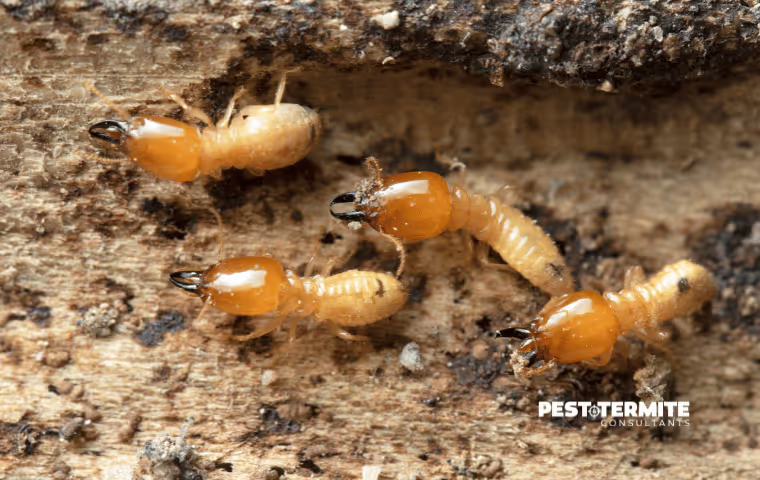
Why Termite Monitoring in Winter Prevents Bigger Problems Next Spring
This time of year, swarmers are long gone, the yard is quiet, and it's easy to assume termites went dormant when the weather shifted. In coastal North Carolina, that assumption can cost you. Winter is when a slow termite problem is easiest to catch, well before spring brings it to the surface.
Do Termites Stay Active Through a Wilmington Winter?
Yes, they often do. Subterranean termites live in the soil, and coastal Carolina winters are mild enough that colonies don't shut down the way they would in a hard-freeze climate. Cold snaps slow them down, but a warm spell can send them right back to feeding.
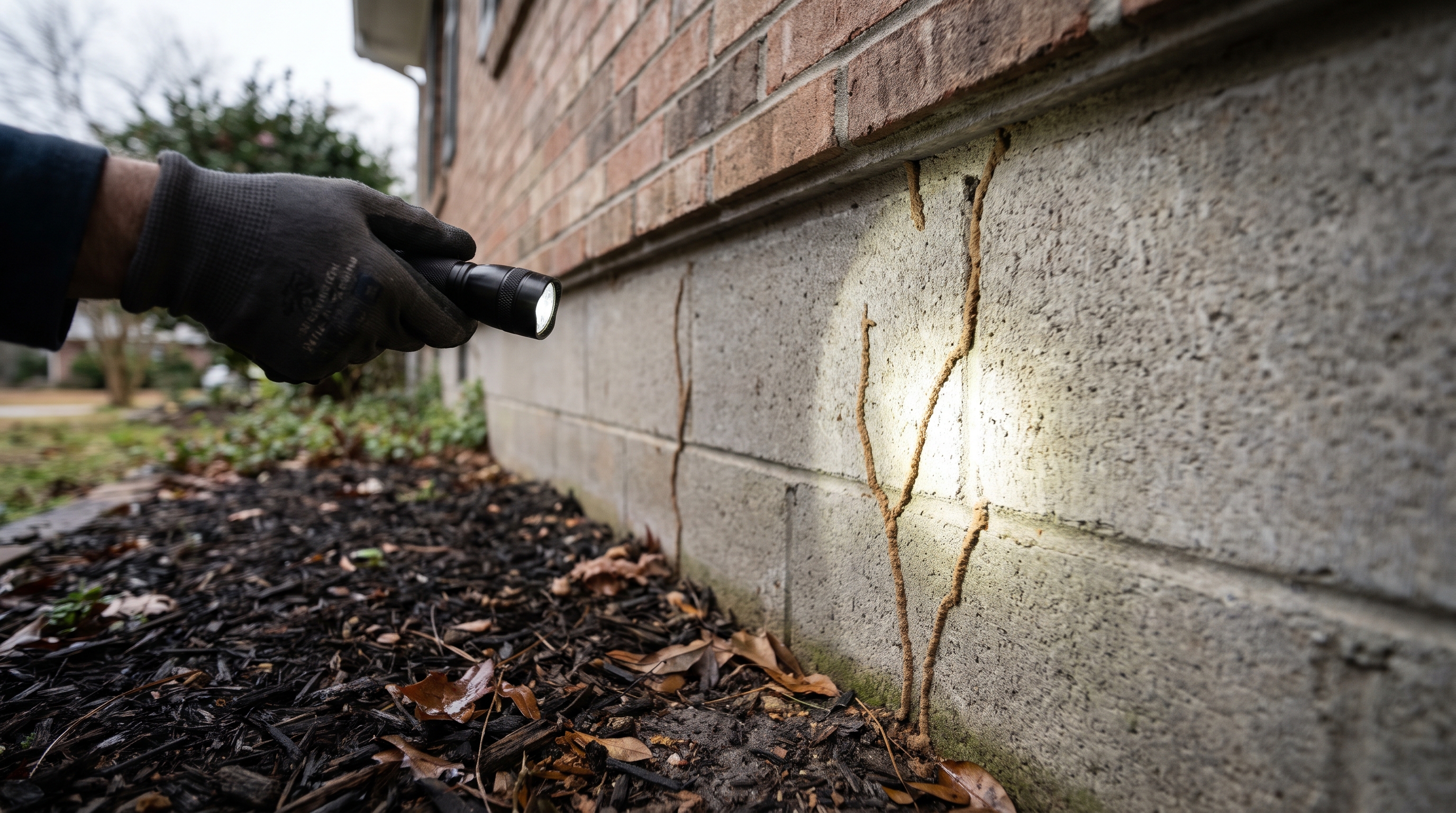
Unfortunately, when dealing with termites, the part you can't see is the part that matters. Workers move between the soil and the wood in your home through mud tubes, hidden gaps, and cracks in the foundation. Nothing shows on the surface, so the first sign most homeowners notice is a swarm in spring, and by then, the colony has often been feeding for a long time.
That's the logic behind winter termite monitoring in Wilmington. You're looking for activity during the quiet months, when nothing is forcing the issue.
What Does Winter Termite Monitoring Involve?
Winter termite monitoring is a routine check for signs of activity around your foundation, crawlspace, and any wood that touches soil. A trained technician determines where termites are getting in, then watches those areas over time instead of relying on a single look.
During a termite inspection, we check for:
- Mud tubes on foundation walls, piers, and sill plates
- Soft or hollow-sounding wood near the ground, around doors, and under porches
- Damp crawlspace areas where moisture softens wood
- Mulch, firewood, or lumber stacked against the house
- Any existing treatment or monitoring stations, and whether they need attention
Termite monitoring works best when it’s repeated over time. One visit tells you what's there today. A pattern of visits tells you whether activity is starting, growing, or staying away.
Why a Winter Termite Inspection Costs Less than a Spring Surprise
Catching termites in the winter gives you time. You can schedule treatment on your own terms, repair small spots of damage, and fix the moisture issues and wood-to-soil contact that drew termites in, all before swarm season puts pressure on every pest company's calendar.
When you wait until spring, you're often reacting to swarmers, with no idea how long the colony has been working. Damage is slow, but it adds up quietly. A baseline check now means that if termites are present, you can address the problem before costly damage adds up over the winter, and if something does show up in April, you’ll have peace of mind knowing the termites haven’t been there long.
Steps Coastal NC Homeowners Can Take to Prevent Termites
Homes near the water deal with extra humidity and sandy, damp soil, which suits termites well. If you live in Wilmington, Kure Beach, Carolina Beach, or the surrounding coast, a quick walk around your house this month can tell you a lot.
- Look along the foundation for thin, dirt-colored tubes running up the wall.
- Move mulch and stored wood at least a few inches away from siding and the foundation.
- Check that gutters and downspouts are properly carrying water away from the house.
- Look into the crawlspace if you can do so safely, and check for wet spots, standing water, or sagging insulation.
- Probe suspicious wood gently with a screwdriver. Soft or papery wood is a reason to call for an inspection.
A clean walk-around doesn't mean you're in the clear, since most termite activity is hidden, but checking these areas regularly helps you spot the obvious problems early.
FAQs About Winter Termite Monitoring
Can termites damage my home in the winter?
They can. In mild coastal weather, colonies keep feeding underground and hidden inside wood year-round. Cold slows them down but rarely stops them completely.
If I haven't seen swarmers, am I safe?
Not necessarily. Swarmers appear only during a short window each year, and many infestations never produce a visible swarm in or around the home. The absence of swarmers doesn't guarantee the absence of termites.
What does a mud tube look like?
Mud tubes are pencil-width tunnels made of soil and debris, usually found running up foundation walls, piers, or support posts. Termites build them to stay protected from the open air while traveling between soil and wood.
Is winter a good time to schedule termite control?
Yes. You can get a termite inspection done and put a plan in place before spring swarm season, and any needed repairs aren't rushed.
Get Termite Protection in Place Before Next Swarm Season
If you'd rather know than wonder, we're happy to come inspect your home and get you set up with a termite monitoring plan. We offer trusted termite control services in Wilmington, Kure Beach, Carolina Beach, and the surrounding communities. Give us a call or request your free quote online, and we'll talk through termite monitoring for your home before the spring swarms start.