Pest Control in The Triangle, NC
The Triangle is North Carolina's Research Triangle region — the Raleigh-Durham-Chapel Hill metropolitan area and surrounding communities that together form one of the fastest-growing regions in the Southeast. With a combined metro population of over two million residents, the Triangle spans Wake, Durham, Orange, and parts of several adjacent counties across the central Piedmont. The region's Piedmont clay soils, extensive creek and river systems, mature tree canopies, and mild four-season climate create year-round pest conditions that affect every community from downtown Raleigh to the rural edges of the metro. Pest & Termite Consultants has served the Triangle since 2005, with our headquarters in Raleigh and additional offices providing coverage across the region.
Home Pest Control in The Triangle
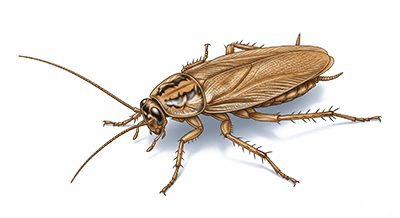
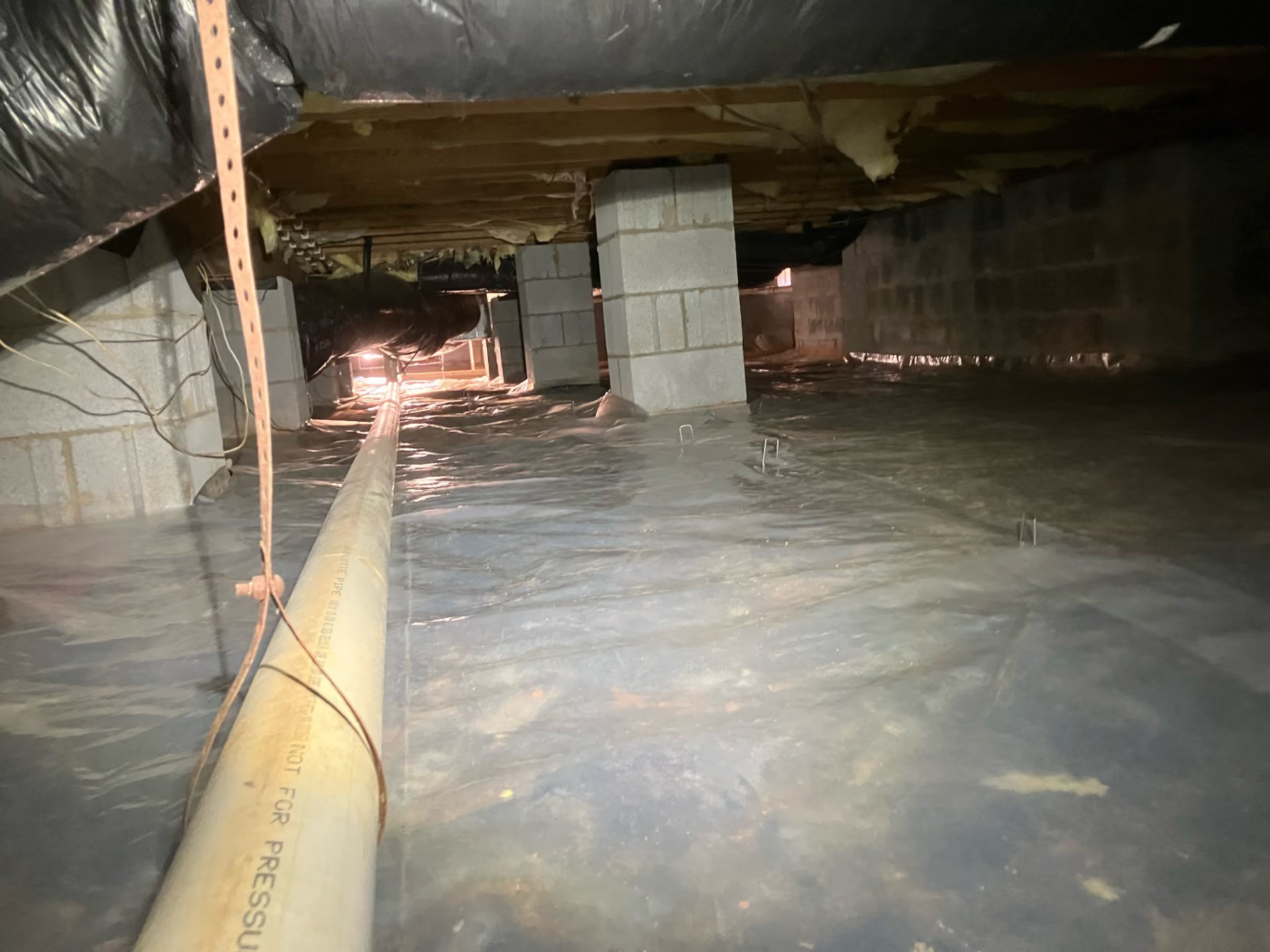
The Triangle's residential landscape spans everything from 19th-century homes in Durham's historic neighborhoods and Chapel Hill's university-area housing to the massive modern subdivisions spreading along I-540 and beyond. This range of construction types creates diverse pest vulnerabilities: older homes with original crawl spaces, pier foundations, and mature tree canopy face classic termite and moisture-pest conditions, while newer homes on recently cleared Piedmont clay deal with construction-displacement pests and foundation settlement. Our residential pest control program provides quarterly treatments customized for each home's specific construction and environmental conditions.
Termite Control in The Triangle
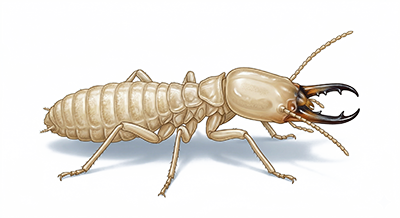
The Triangle consistently ranks among the highest-risk termite zones in the United States. The Piedmont's clay soils retain moisture year-round at levels that sustain active termite colonies, and the region's mild winters allow virtually continuous foraging. Every home in the Triangle — regardless of age or construction type — faces meaningful termite risk. Our termite control services include comprehensive inspections, liquid barrier treatments engineered for Piedmont clay, and monitoring systems for ongoing protection.
Mosquito Control in The Triangle
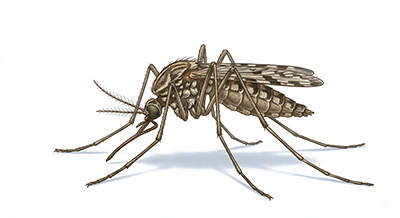
The Neuse River, Eno River, Haw River, Falls Lake, Jordan Lake, and the hundreds of creeks and stormwater features throughout the metro create a connected network of mosquito breeding habitat. The warm, humid months from April through October sustain heavy mosquito populations across the Triangle. Our mosquito reduction program targets breeding sites and adult resting areas on your property.
Rodent Control in The Triangle
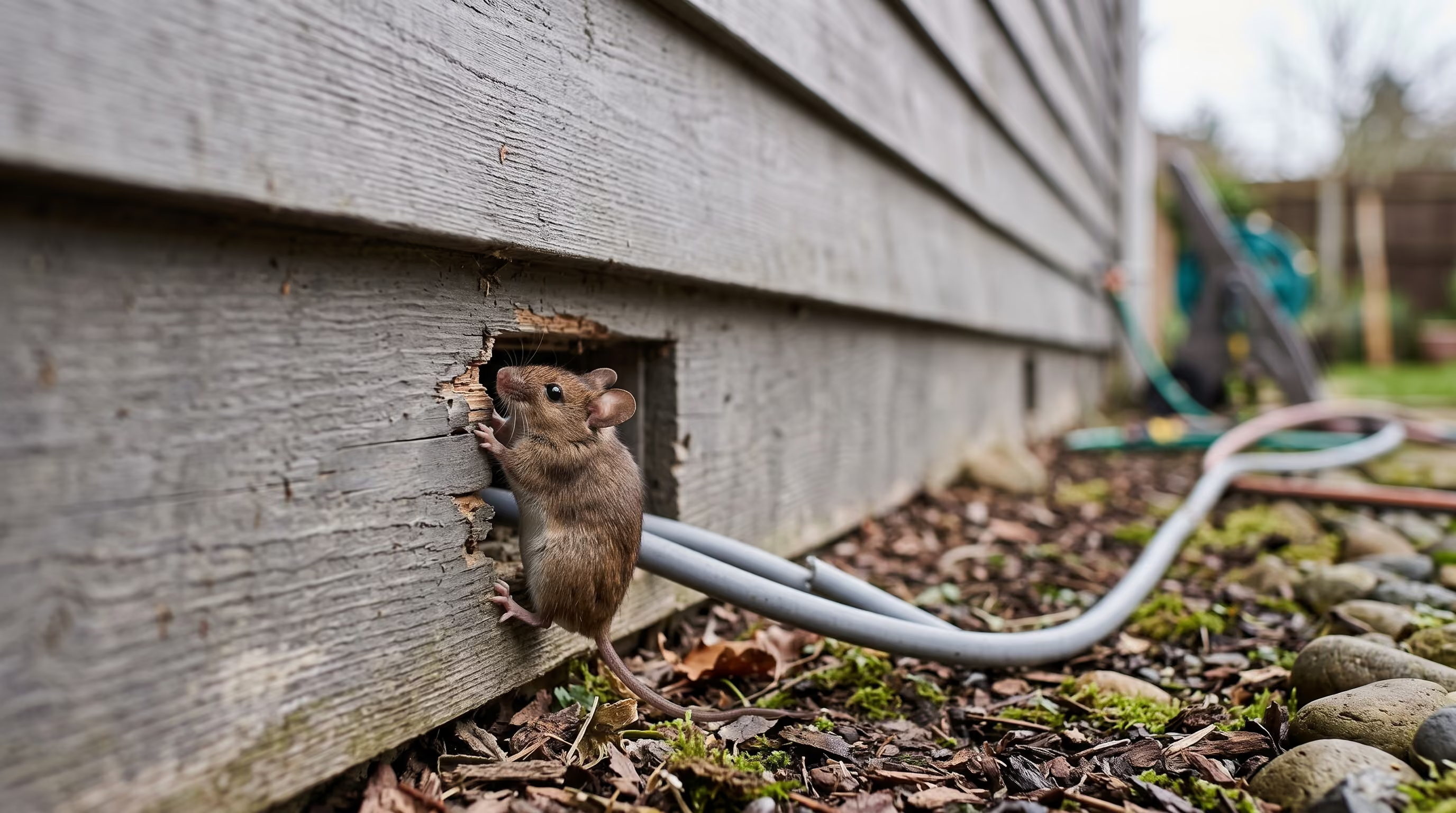
The Triangle's ongoing growth displaces wildlife and field rodents from cleared land, while the region's extensive greenway and creek corridors provide travel routes that connect pest habitat to residential neighborhoods. Our rodent control services include inspections, professional exclusion, and targeted trapping programs.



Local Pest Insights for The Triangle
The Triangle's pest environment is shaped by two dominant factors: the Piedmont's geology and the region's rapid growth. The clay soils underlying the entire metro retain moisture at depth year-round, creating the conditions that sustain one of the country's most active termite zones. This geological foundation doesn't vary much across the Triangle — Raleigh, Durham, Chapel Hill, Cary, and their surrounding suburbs all share the same fundamental termite risk driven by the clay. What varies is the local amplification: proximity to rivers and lakes elevates moisture further, mature tree canopy retains soil moisture and humidity, and older construction provides more entry points.
The Triangle's growth trajectory adds a dynamic layer. The metro has been one of the fastest-growing regions in the country for over two decades, and the development required to support that growth continuously converts farmland and forest into residential and commercial use. This ongoing land-use change creates a perpetual edge of pest displacement — communities on the metro's expanding perimeter face elevated pest pressure as each new phase of development disturbs existing wildlife and insect populations. The effect ripples inward through the greenway and creek corridors that connect the developed core to the development edge.
Why Choose Pest & Termite Consultants in The Triangle?
As a Triangle-headquartered company, we've built our service model around the specific conditions that affect this region. We understand how Piedmont clay, creek corridors, mature canopy, and the dynamics of a rapidly growing metro interact to create the pest environment that Triangle homeowners face. Our multiple office locations allow us to provide responsive local service across the entire metro while maintaining the knowledge and protocols developed from decades of experience in this specific region.
Additional Pest Control Services in The Triangle
The Triangle's diverse commercial landscape — from Research Triangle Park's corporate campuses to downtown restaurants to university facilities to the retail and mixed-use developments throughout the metro — requires professional pest management. Our commercial pest control services provide code-compliant programs for every commercial environment across the Triangle.
Service Areas in The Triangle
We serve the entire Triangle region including Raleigh, Durham, Chapel Hill, Cary, Apex, Wake Forest, Morrisville, Garner, Clayton, and dozens of surrounding communities. See our full service area listing for all locations.
Frequently Asked Questions About Pest Control in The Triangle
Why is the Triangle a high-risk termite area?
The Piedmont's clay soils retain moisture at depth year-round, sustaining subterranean termite colonies through all seasons. The mild winters allow continuous foraging without the extended dormancy periods that limit termite activity in colder climates. The combination of moisture-retaining clay and mild climate makes the Triangle one of the highest-risk termite zones in the United States.
How does the Triangle's growth affect pest problems?
The Triangle's continuous expansion converts farmland and forest into development, displacing existing wildlife and insect populations. Communities near active development typically experience elevated pest pressure as displaced populations move toward completed structures. This effect is ongoing — as the metro continues to grow, the displacement zone moves outward.
What pest control schedule works best in the Triangle?
Quarterly treatments provide the most effective year-round protection for Triangle homes. The mild climate keeps most pest species active year-round, and the Piedmont's moisture conditions sustain populations through the cooler months. Seasonal-only treatment leaves gaps that allow populations to rebuild between treatments.
Do you serve the entire Triangle metro?
Yes. With our Raleigh headquarters and additional offices in Durham, Fayetteville, Fuquay-Varina, and Wilmington, we provide coverage across the entire Triangle metro and well beyond. Our service area extends from the Virginia border through eastern NC to the coast.
Are pests different in different parts of the Triangle?
The fundamental pest species are the same across the Triangle, but the intensity and specific mix vary. Properties near lakes and rivers face higher mosquito and moisture-pest pressure. Neighborhoods with mature tree canopy have elevated termite and moisture-insect risk. Areas adjacent to active development deal with more displacement pests. Our treatments are calibrated for each property's specific conditions.
Do you handle both residential and commercial pest control?
Yes. We provide comprehensive residential and commercial pest management across the Triangle. Our commercial program includes food service, retail, healthcare, office, multi-family, and institutional facilities with code-compliant protocols specific to each business type.
Ready to protect your Triangle home or business from pests? Contact Pest & Termite Consultants today or call (919) 246-8831 to schedule your free inspection.
Local Pest Insights for The Triangle
The Triangle's pest environment is shaped by two dominant factors: the Piedmont's geology and the region's rapid growth. The clay soils underlying the entire metro retain moisture at depth year-round, creating the conditions that sustain one of the country's most active termite zones. This geological foundation doesn't vary much across the Triangle — Raleigh, Durham, Chapel Hill, Cary, and their surrounding suburbs all share the same fundamental termite risk driven by the clay. What varies is the local amplification: proximity to rivers and lakes elevates moisture further, mature tree canopy retains soil moisture and humidity, and older construction provides more entry points.
The Triangle's growth trajectory adds a dynamic layer. The metro has been one of the fastest-growing regions in the country for over two decades, and the development required to support that growth continuously converts farmland and forest into residential and commercial use. This ongoing land-use change creates a perpetual edge of pest displacement — communities on the metro's expanding perimeter face elevated pest pressure as each new phase of development disturbs existing wildlife and insect populations. The effect ripples inward through the greenway and creek corridors that connect the developed core to the development edge.
Why Choose Pest & Termite Consultants in The Triangle?
As a Triangle-headquartered company, we've built our service model around the specific conditions that affect this region. We understand how Piedmont clay, creek corridors, mature canopy, and the dynamics of a rapidly growing metro interact to create the pest environment that Triangle homeowners face. Our multiple office locations allow us to provide responsive local service across the entire metro while maintaining the knowledge and protocols developed from decades of experience in this specific region.
Additional Pest Control Services in The Triangle
The Triangle's diverse commercial landscape — from Research Triangle Park's corporate campuses to downtown restaurants to university facilities to the retail and mixed-use developments throughout the metro — requires professional pest management. Our commercial pest control services provide code-compliant programs for every commercial environment across the Triangle.
Service Areas in The Triangle
We serve the entire Triangle region including Raleigh, Durham, Chapel Hill, Cary, Apex, Wake Forest, Morrisville, Garner, Clayton, and dozens of surrounding communities. See our full service area listing for all locations.
Frequently Asked Questions About Pest Control in The Triangle
Why is the Triangle a high-risk termite area?
The Piedmont's clay soils retain moisture at depth year-round, sustaining subterranean termite colonies through all seasons. The mild winters allow continuous foraging without the extended dormancy periods that limit termite activity in colder climates. The combination of moisture-retaining clay and mild climate makes the Triangle one of the highest-risk termite zones in the United States.
How does the Triangle's growth affect pest problems?
The Triangle's continuous expansion converts farmland and forest into development, displacing existing wildlife and insect populations. Communities near active development typically experience elevated pest pressure as displaced populations move toward completed structures. This effect is ongoing — as the metro continues to grow, the displacement zone moves outward.
What pest control schedule works best in the Triangle?
Quarterly treatments provide the most effective year-round protection for Triangle homes. The mild climate keeps most pest species active year-round, and the Piedmont's moisture conditions sustain populations through the cooler months. Seasonal-only treatment leaves gaps that allow populations to rebuild between treatments.
Do you serve the entire Triangle metro?
Yes. With our Raleigh headquarters and additional offices in Durham, Fayetteville, Fuquay-Varina, and Wilmington, we provide coverage across the entire Triangle metro and well beyond. Our service area extends from the Virginia border through eastern NC to the coast.
Are pests different in different parts of the Triangle?
The fundamental pest species are the same across the Triangle, but the intensity and specific mix vary. Properties near lakes and rivers face higher mosquito and moisture-pest pressure. Neighborhoods with mature tree canopy have elevated termite and moisture-insect risk. Areas adjacent to active development deal with more displacement pests. Our treatments are calibrated for each property's specific conditions.
Do you handle both residential and commercial pest control?
Yes. We provide comprehensive residential and commercial pest management across the Triangle. Our commercial program includes food service, retail, healthcare, office, multi-family, and institutional facilities with code-compliant protocols specific to each business type.
Ready to protect your Triangle home or business from pests? Contact Pest & Termite Consultants today or call (919) 246-8831 to schedule your free inspection.