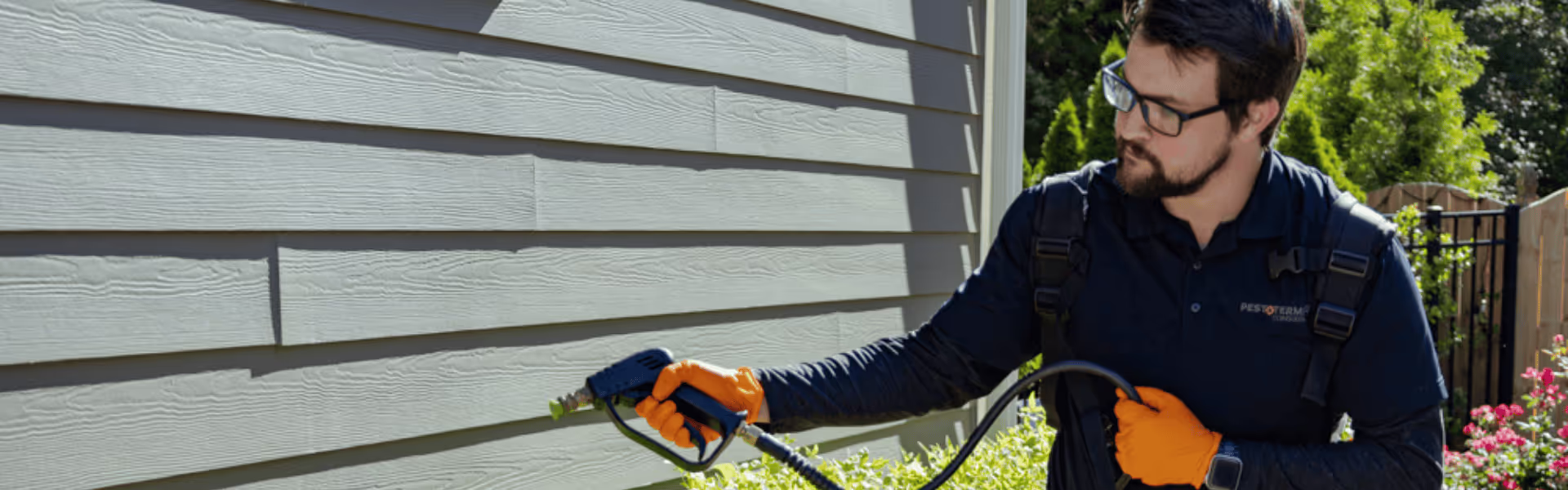
Pest Control in Wake Forest, NC
Wake Forest is one of the Triangle's fastest-growing communities, a town of over 50,000 residents in northern Wake County that has evolved from a small college town into a major Raleigh suburb. Situated between Falls Lake to the north and Raleigh's expanding northern edge to the south, Wake Forest combines historic neighborhoods near the original downtown with rapidly expanding new developments pushing north toward Youngsville and Franklinton. Falls Lake's 12,000 acres of water and the Smith Creek and Richland Creek corridors running through the town sustain mosquito populations, elevate soil moisture for termite activity, and maintain wildlife habitat that connects directly to residential neighborhoods. Our Raleigh office serves Wake Forest and northern Wake County.
Home Pest Control in Wake Forest
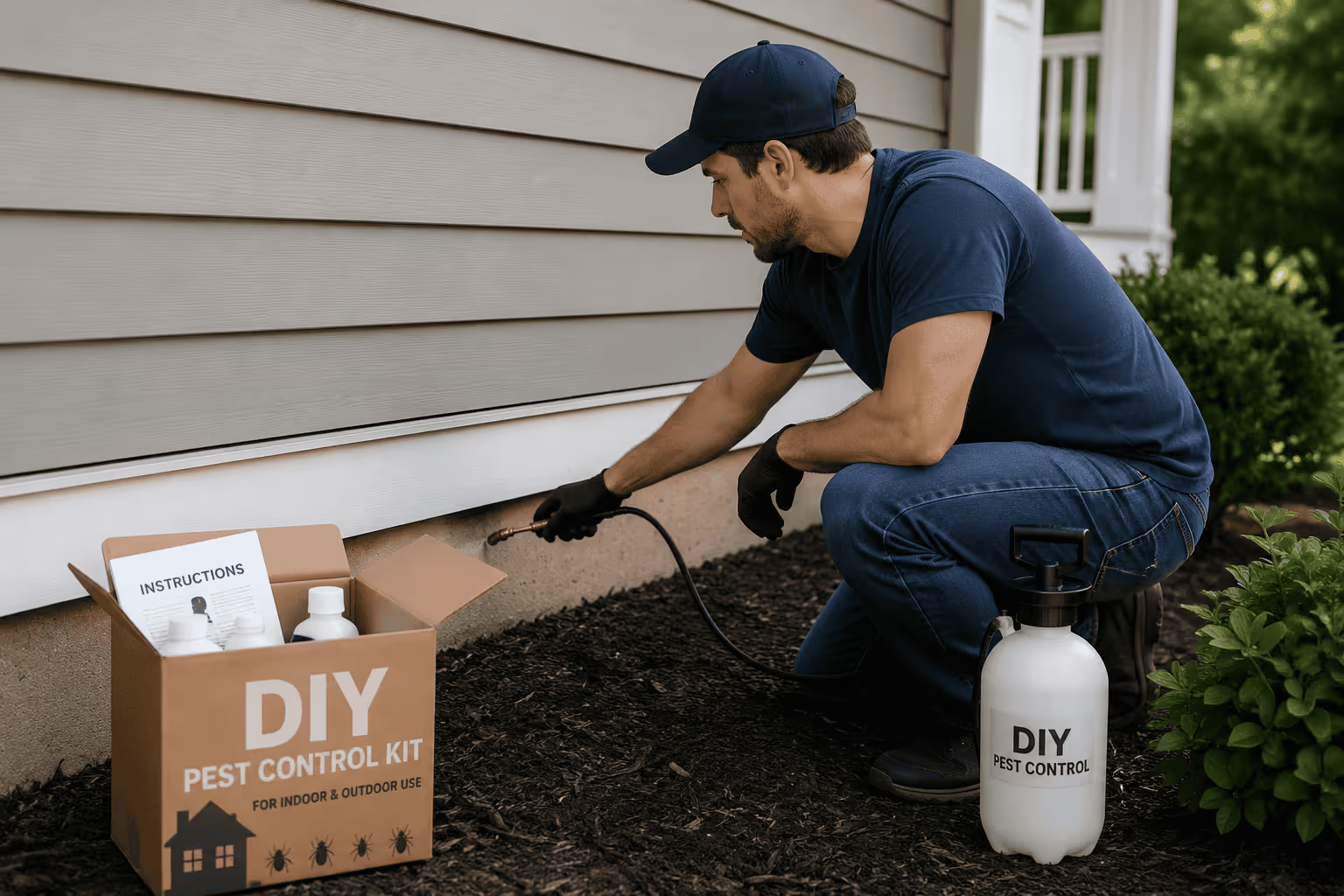
Wake Forest's residential areas range from the historic homes near the original downtown and Southeastern Baptist Theological Seminary campus to the established neighborhoods of Heritage and Traditions to the newer communities of Holding Village and the developments along Capital Boulevard north of town. The older homes near downtown have original construction that predates modern pest barriers, while the newer communities on Wake Forest's northern edge deal with construction-displacement pests from recently cleared farmland and forest. The entire town's proximity to Falls Lake adds a persistent moisture influence. Our residential pest control program provides quarterly treatments customized for Wake Forest's mix of historic homes, established suburbs, and new construction.
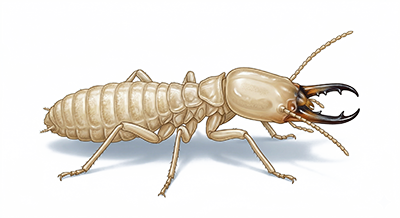
Termite Control in Wake Forest
Wake County's Piedmont clay soils and the moisture influence of Falls Lake and the surrounding creek systems create favorable termite conditions throughout the Wake Forest area. The historic homes near downtown with original wood framing face the most direct risk from decades of soil-to-wood contact, but the newer developments built on recently graded clay are also vulnerable. The lakeside communities closest to Falls Lake deal with sustained elevated soil moisture that amplifies termite risk beyond typical Piedmont levels. Our termite control services include thorough inspections, liquid barrier treatments optimized for Piedmont clay, and monitoring systems for early detection.
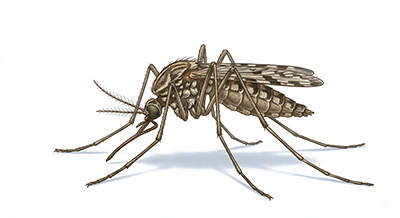
Mosquito Control in Wake Forest
Falls Lake to the north, Smith Creek and Richland Creek flowing through the town, and the stormwater retention features in every new development create abundant mosquito breeding habitat across Wake Forest. The lake's shallow coves and backwater areas produce especially heavy mosquito populations that affect communities well south of the actual shoreline. Our mosquito reduction program targets breeding sites and adult resting areas on your property to reduce mosquito activity during the warm months.
Rodent Control in Wake Forest
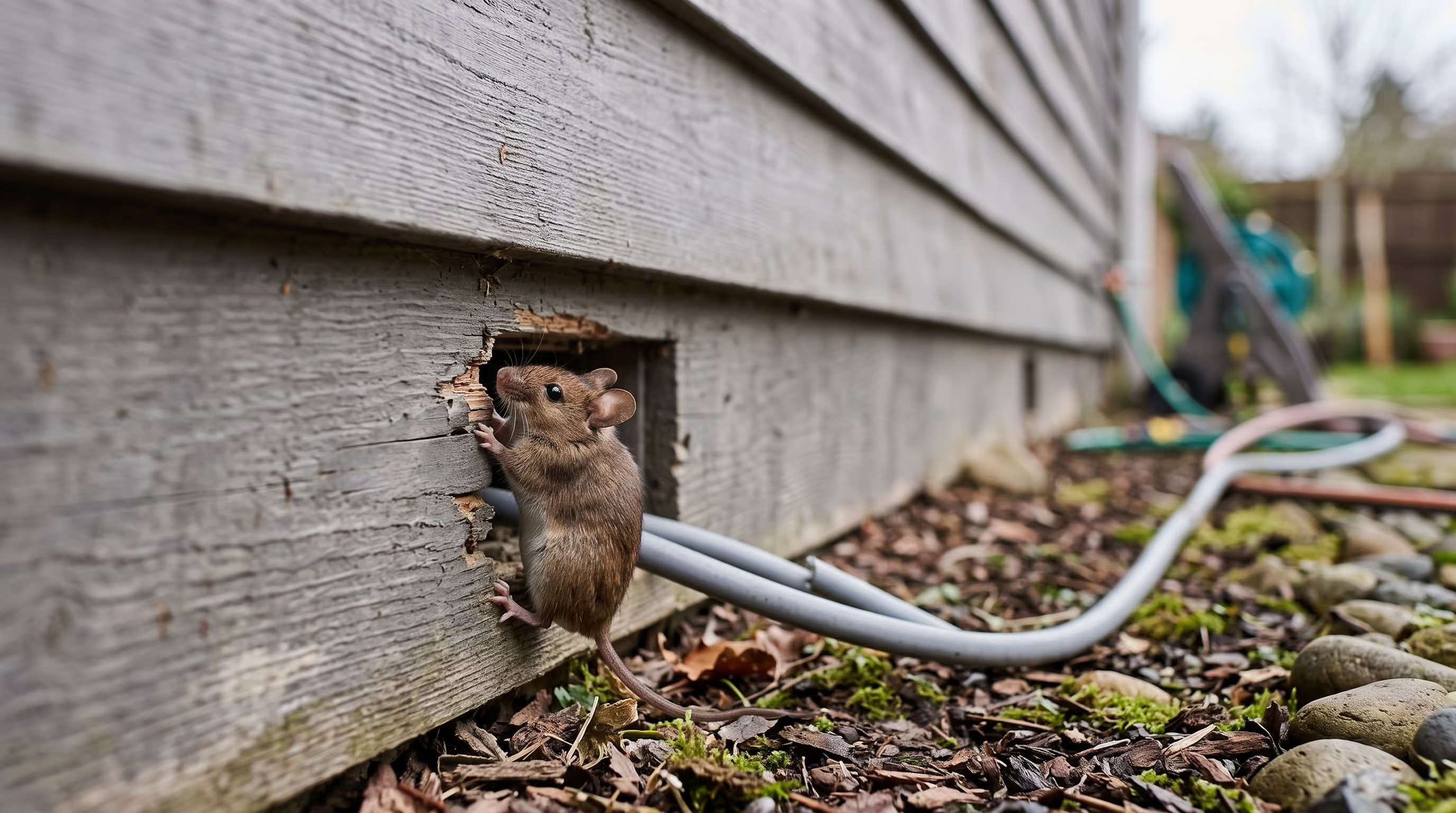
Wake Forest's rapid northward expansion is converting farmland and forest into residential development, displacing field mice, rats, and wildlife into adjacent neighborhoods. Properties near the Smith Creek and Richland Creek corridors face additional rodent and wildlife pressure from animals using these waterways as travel routes. The Falls Lake game lands also support wildlife populations that move into nearby residential areas. Our rodent control services include inspections, professional exclusion, and targeted trapping programs.



Local Pest Insights for Wake Forest, NC
Wake Forest's pest environment reflects its position between Falls Lake's water and wildlife resources to the north and Raleigh's expanding suburban development to the south. The town has been one of the Triangle's highest-growth communities for two decades, and that sustained development has progressively converted the farms and forests north of Raleigh into residential neighborhoods. This ongoing transformation creates a moving edge of pest displacement: as each new phase of development clears land, the wildlife and insect populations that occupied it are pushed toward the nearest completed neighborhoods.
Falls Lake adds a permanent dimension to Wake Forest's pest conditions that development patterns alone don't explain. The reservoir's 12,000 acres of water elevate regional humidity and ground moisture levels across northern Wake Forest and the communities closest to the shoreline. This moisture influence sustains termite colonies, extends mosquito breeding seasons, and creates favorable conditions for moisture-dependent insects in a broad zone around the lake — not just in waterfront properties. The creek corridors that drain toward the lake, particularly Smith Creek and Richland Creek, extend this moisture and wildlife influence south through the heart of Wake Forest's residential areas.
Why Choose Pest & Termite Consultants in Wake Forest?
Wake Forest's growth trajectory and proximity to Falls Lake create a pest environment that varies significantly from one neighborhood to another. A historic home near the seminary campus faces different pest pressures than a new home in Holding Village, and both differ from a property in the Falls Lake communities. Our technicians evaluate each property's construction age, position relative to Falls Lake and the creek corridors, proximity to active development, and specific moisture conditions to build a treatment plan that addresses your actual pest exposure.
Additional Pest Control Services in Wake Forest
Wake Forest's growing commercial areas — from the restaurants and shops along South White Street and Capital Boulevard to the new commercial developments in Heritage and along the US-1A corridor — require professional pest management. Our commercial pest control services provide code-compliant programs for food service, retail, healthcare, office environments, and multi-family properties throughout Wake Forest.
Service Areas Near Wake Forest
From our Raleigh office, we serve Wake Forest and the surrounding communities including Youngsville, Franklinton, Rolesville, and north Raleigh. We also serve Durham, Butner, and communities across the northern Triangle.
Frequently Asked Questions About Pest Control in Wake Forest
How does Falls Lake affect pest conditions in Wake Forest?
Falls Lake's 12,000 acres of water elevate humidity and ground moisture across northern Wake Forest, creating favorable conditions for termites and moisture-dependent insects even in neighborhoods miles from the shoreline. The lake's shallow coves and backwater areas produce significant mosquito populations, and the surrounding game lands support wildlife that moves into residential areas. Properties in northern Wake Forest and the Falls Lake communities generally experience higher pest pressure than those in the southern part of town.
Are termites common in Wake Forest?
Yes. Wake County's Piedmont clay soils sustain active termite populations year-round, and the moisture influence of Falls Lake amplifies termite risk for properties in northern Wake Forest. Both older homes with original construction and newer homes on recently graded clay face termite risk. Annual inspections are essential for every Wake Forest property.
What pests are most common in Wake Forest neighborhoods?
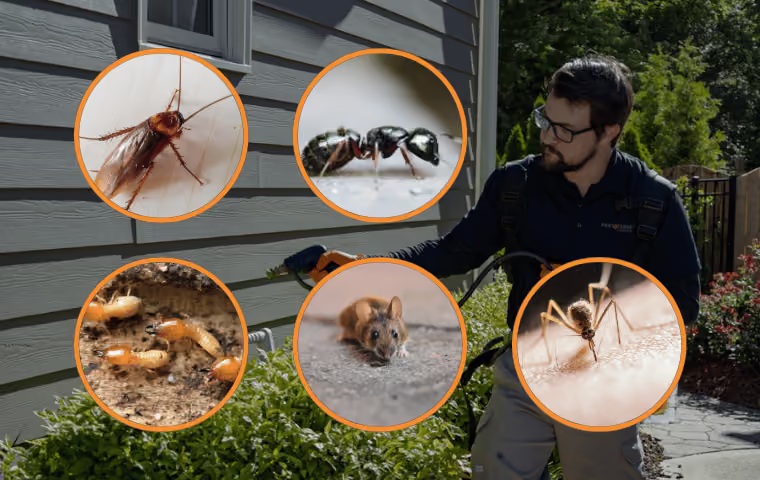
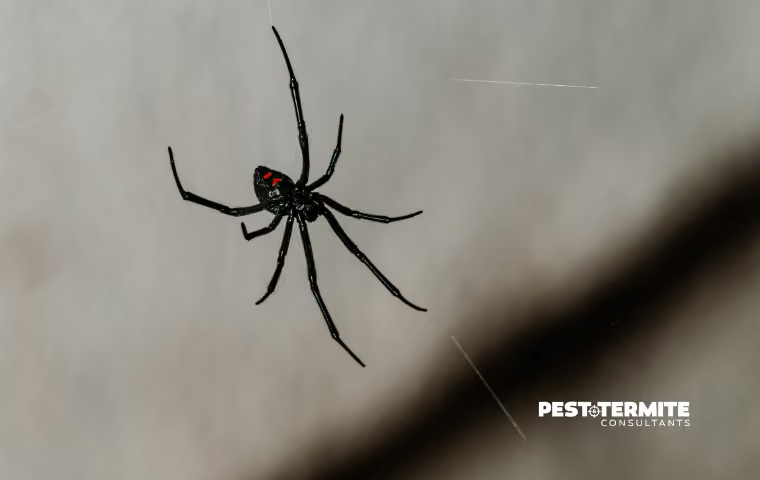
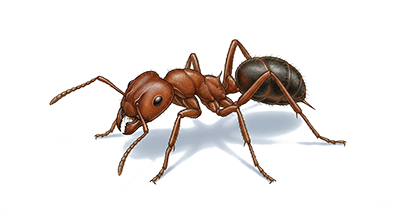
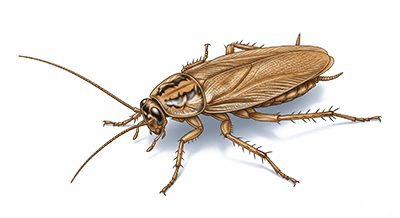
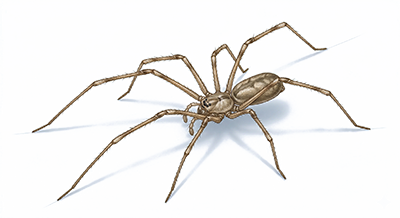
The most common household pests in Wake Forest include ants, cockroaches, subterranean termites, mosquitoes, spiders, and mice. Neighborhoods near Falls Lake and the creek corridors tend to see more mosquitoes and moisture pests, while areas adjacent to active construction deal more with displaced rodents and wildlife. Fire ants are also common in yards throughout Wake Forest.
Does new construction in Wake Forest have pest problems?
New construction in Wake Forest is vulnerable to construction-displacement pests — rodents, snakes, and insects pushed from cleared land toward completed homes. New foundations on recently graded Piedmont clay also attract termite foraging as the disturbed soil retains moisture, and settlement cracks provide entry points. We recommend establishing pest prevention within the first year of occupancy.
How often should Wake Forest homes be treated?
Quarterly treatments provide the most effective year-round protection for Wake Forest homes. The Triangle's mild climate keeps pest species active through the winter, and Falls Lake's moisture influence sustains populations through cooler months. Quarterly service maintains a consistent barrier and allows us to adapt treatment to seasonal patterns — termite monitoring in spring, mosquito management in summer, rodent prevention in fall.
Do you serve the Falls Lake communities north of Wake Forest?
Yes. We serve all residential communities around Falls Lake's southern and western shoreline, including the areas along NC-98 and Falls of Neuse Road. Lakefront and lake-adjacent properties face elevated pest pressure from moisture, mosquitoes, and the wildlife that thrives in the surrounding game lands, and our treatments are calibrated for these specific conditions.
Ready to protect your Wake Forest home or business from pests? Contact Pest & Termite Consultants today or call (919) 246-8831 to schedule your free inspection.
Local Pest Insights for Wake Forest, NC
Wake Forest's pest environment reflects its position between Falls Lake's water and wildlife resources to the north and Raleigh's expanding suburban development to the south. The town has been one of the Triangle's highest-growth communities for two decades, and that sustained development has progressively converted the farms and forests north of Raleigh into residential neighborhoods. This ongoing transformation creates a moving edge of pest displacement: as each new phase of development clears land, the wildlife and insect populations that occupied it are pushed toward the nearest completed neighborhoods.
Falls Lake adds a permanent dimension to Wake Forest's pest conditions that development patterns alone don't explain. The reservoir's 12,000 acres of water elevate regional humidity and ground moisture levels across northern Wake Forest and the communities closest to the shoreline. This moisture influence sustains termite colonies, extends mosquito breeding seasons, and creates favorable conditions for moisture-dependent insects in a broad zone around the lake — not just in waterfront properties. The creek corridors that drain toward the lake, particularly Smith Creek and Richland Creek, extend this moisture and wildlife influence south through the heart of Wake Forest's residential areas.
Why Choose Pest & Termite Consultants in Wake Forest?
Wake Forest's growth trajectory and proximity to Falls Lake create a pest environment that varies significantly from one neighborhood to another. A historic home near the seminary campus faces different pest pressures than a new home in Holding Village, and both differ from a property in the Falls Lake communities. Our technicians evaluate each property's construction age, position relative to Falls Lake and the creek corridors, proximity to active development, and specific moisture conditions to build a treatment plan that addresses your actual pest exposure.
Additional Pest Control Services in Wake Forest
Wake Forest's growing commercial areas — from the restaurants and shops along South White Street and Capital Boulevard to the new commercial developments in Heritage and along the US-1A corridor — require professional pest management. Our commercial pest control services provide code-compliant programs for food service, retail, healthcare, office environments, and multi-family properties throughout Wake Forest.
Service Areas Near Wake Forest
From our Raleigh office, we serve Wake Forest and the surrounding communities including Youngsville, Franklinton, Rolesville, and north Raleigh. We also serve Durham, Butner, and communities across the northern Triangle.
Frequently Asked Questions About Pest Control in Wake Forest
How does Falls Lake affect pest conditions in Wake Forest?
Falls Lake's 12,000 acres of water elevate humidity and ground moisture across northern Wake Forest, creating favorable conditions for termites and moisture-dependent insects even in neighborhoods miles from the shoreline. The lake's shallow coves and backwater areas produce significant mosquito populations, and the surrounding game lands support wildlife that moves into residential areas. Properties in northern Wake Forest and the Falls Lake communities generally experience higher pest pressure than those in the southern part of town.
Are termites common in Wake Forest?
Yes. Wake County's Piedmont clay soils sustain active termite populations year-round, and the moisture influence of Falls Lake amplifies termite risk for properties in northern Wake Forest. Both older homes with original construction and newer homes on recently graded clay face termite risk. Annual inspections are essential for every Wake Forest property.
What pests are most common in Wake Forest neighborhoods?
The most common household pests in Wake Forest include ants, cockroaches, subterranean termites, mosquitoes, spiders, and mice. Neighborhoods near Falls Lake and the creek corridors tend to see more mosquitoes and moisture pests, while areas adjacent to active construction deal more with displaced rodents and wildlife. Fire ants are also common in yards throughout Wake Forest.
Does new construction in Wake Forest have pest problems?
New construction in Wake Forest is vulnerable to construction-displacement pests — rodents, snakes, and insects pushed from cleared land toward completed homes. New foundations on recently graded Piedmont clay also attract termite foraging as the disturbed soil retains moisture, and settlement cracks provide entry points. We recommend establishing pest prevention within the first year of occupancy.
How often should Wake Forest homes be treated?
Quarterly treatments provide the most effective year-round protection for Wake Forest homes. The Triangle's mild climate keeps pest species active through the winter, and Falls Lake's moisture influence sustains populations through cooler months. Quarterly service maintains a consistent barrier and allows us to adapt treatment to seasonal patterns — termite monitoring in spring, mosquito management in summer, rodent prevention in fall.
Do you serve the Falls Lake communities north of Wake Forest?
Yes. We serve all residential communities around Falls Lake's southern and western shoreline, including the areas along NC-98 and Falls of Neuse Road. Lakefront and lake-adjacent properties face elevated pest pressure from moisture, mosquitoes, and the wildlife that thrives in the surrounding game lands, and our treatments are calibrated for these specific conditions.
Ready to protect your Wake Forest home or business from pests? Contact Pest & Termite Consultants today or call (919) 246-8831 to schedule your free inspection.