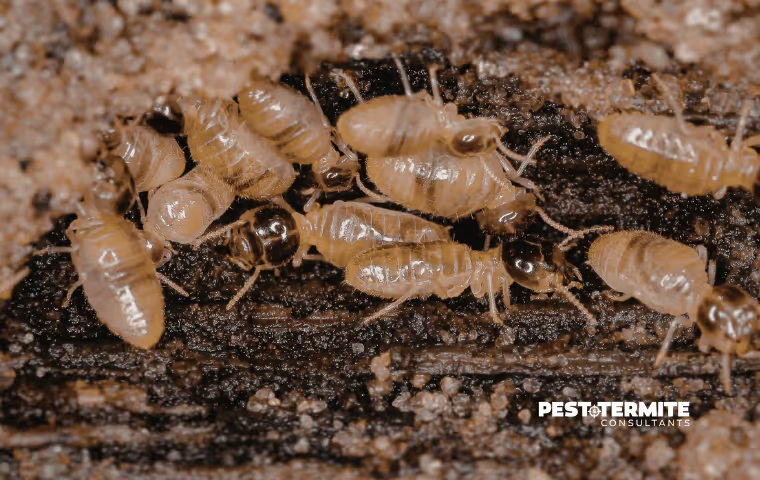
Why Waiting Until Summer to Deal With Termites in Raleigh Is a Mistake
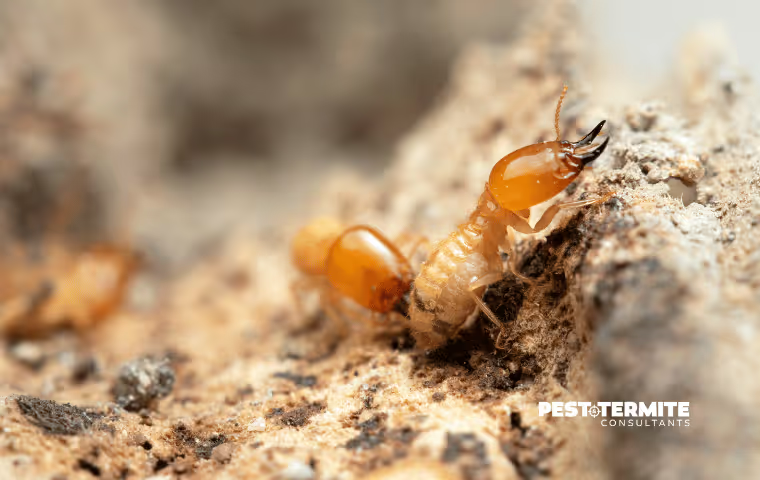
Many homeowners around Raleigh assume termite problems peak in summer. While activity is more noticeable then, the real issue often begins much earlier. Waiting until visible damage appears can lead to costly repairs and more complex treatment later.
The most effective time to deal with termites is before summer, when colonies are active but damage is still limited. This is especially important in areas like Raleigh, Apex, Wake Forest, and Garner, where termite risk is high.
Why Timing Matters With Termites
Termites do not suddenly appear in the summer. By the time you start noticing signs like damaged wood or swarmers, a termite colony is likely already well established.
Colonies Start Working Early
In Raleigh’s climate, termites become active in early spring. They begin feeding, expanding, and exploring new areas long before homeowners notice them.
Damage Happens Out of Sight
Termites consume wood from the inside out. This means structural damage can develop for months before it becomes visible. Waiting for clear signs often means the problem is already advanced.
Swarm Season Is a Warning Sign
Spring swarms are often the first visible clue of termite activity. By the time termite swarmers appear, the colony that produced them is mature and actively feeding on nearby structures.
What Happens When You Wait Until Summer
Delaying taking action against termites until summer allows colonies more time to grow and spread, which only makes the problem more expensive and complicated:
Increased Structural Damage
As colonies expand, they consume more wood. What could have been minor damage in the spring may become more extensive by summer.
Higher Treatment Complexity
Larger colonies are harder to eliminate. Delayed action may require more involved treatments and longer monitoring.
Greater Risk of Multiple Colonies
In areas like Raleigh, ideal conditions can support multiple colonies on a single property. Waiting increases the chance that new colonies may settle nearby.
Why Inspections Are More Valuable Early
Termite inspections are most effective before damage becomes obvious. Early detection allows for targeted solutions that protect your home without extensive repairs.
Scheduling a termite inspection in Raleigh during late spring helps identify:
- Active colonies before major damage occurs
- Conditions that attract termites, such as moisture or wood-to-soil contact
- Entry points around the home and foundation
This proactive approach gives homeowners more control and better outcomes.
Common Early Risk Factors Around Homes
Many termite issues start with small, preventable conditions. Homes in Raleigh and the surrounding communities often share similar risk factors.
When checking for termite attractants, look for:
- Wood that is directly touching soil
- Moisture buildup near the foundation
- Poor drainage around the home
- Cracks in the foundation or exterior walls
- Mulch placed too close to siding
These conditions make it easier for termites to enter homes and remain undetected.
Why Prevention Is More Effective Than Reaction
Reacting only after visible signs of termites appear puts homeowners at a disadvantage. Prevention focuses on stopping termites before they cause costly damage and added stress.
Understanding how to prevent termites in Raleigh starts with understanding the risk of moisture and wood-to-soil contact around the home and the importance of scheduling regular termite inspections.
Professional termite control in Raleigh, NC often includes monitoring systems and treatments designed to protect homes all year round, not just during peak season.
Raleigh’s FAQs About Early Termite Prevention
Why is spring a better time for termite inspections?
Spring is when termites become more active, making it easier to detect colonies before they cause visible damage.
Can termites cause damage before I see any signs?
Yes. Termites stay out of sight and feed inside wood, so damage often develops long before it becomes visible on the surface.
Is it too late to treat termites in summer?
No, but treatment may be more complex. Colonies are usually larger by summer, which can make getting rid of termite infestations more involved.
How often should I schedule a termite inspection?
Most homes benefit from an annual inspection, especially in areas like Raleigh, where termite activity is common.
What are the biggest risk factors for termites?
Moisture, wood-to-soil contact, and untreated structural wood are the most common factors that attract termites.
Take Action Before Damage Develops
Thinking that termite problems can wait until summer leads to unnecessary risk. By the time damage becomes visible, colonies are already well established and harder to control.
Acting in late spring allows you to identify termite problems early, reduce treatment complexity, and protect your home before damage spreads.
If you live in Raleigh, Apex, Wake Forest, or Garner, now is the time to schedule an inspection. Call (919) 246-8831 to protect your home before termite damage becomes a costly issue.