Why Older Durham Homes Need Rodent Control Before Winter Sets In

In Durham and the surrounding communities of Chapel Hill, Bahama, and Hillsborough, there are many neighborhoods where houses have stood for generations. If you live in one of these neighborhoods or an older home, you may be at higher risk of rodent problems this winter. Find out what steps you can take now to avoid rodent problems later in the season.
Why Do Older Durham Homes Get Rodents in November?
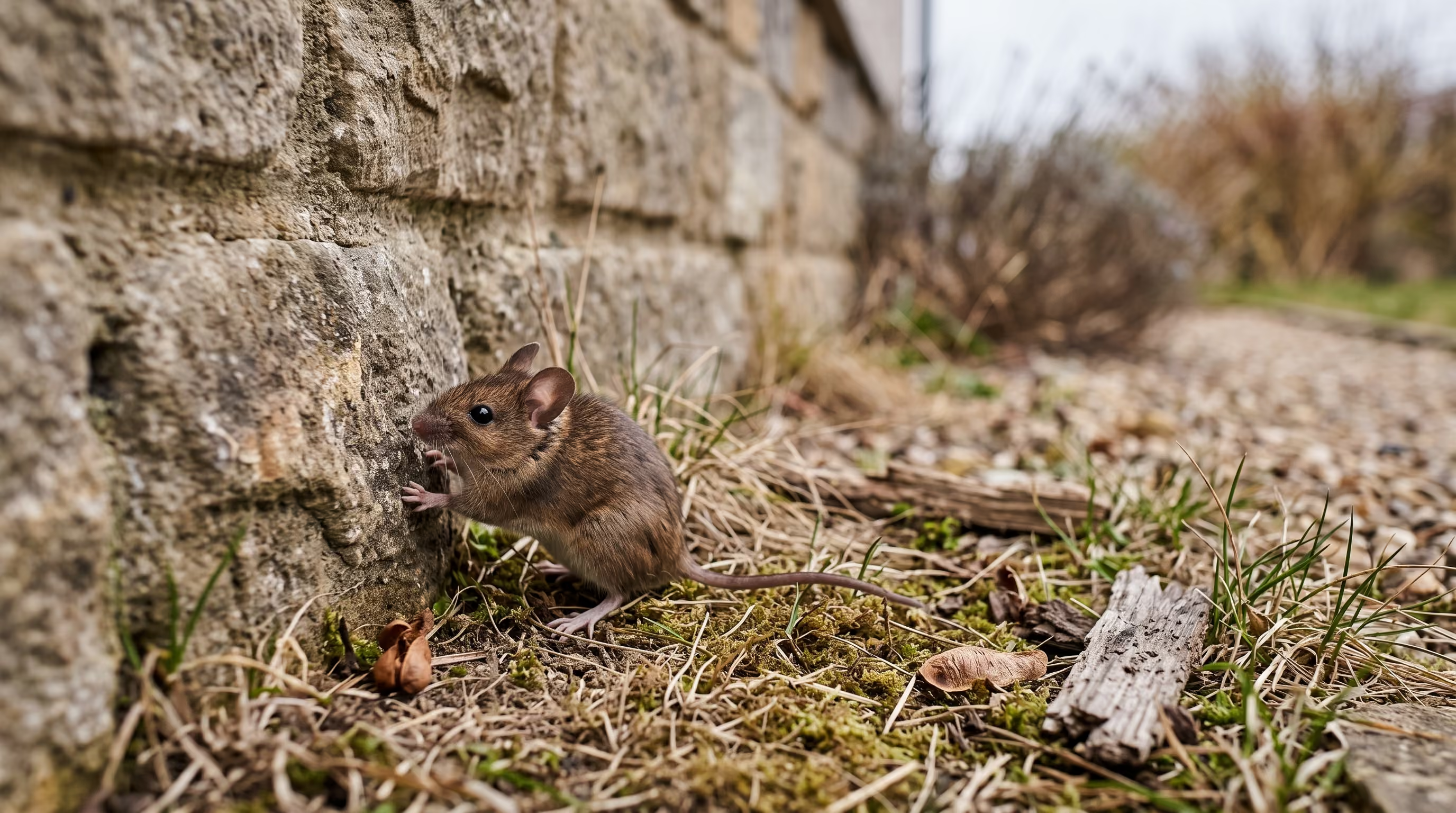
Older Durham homes tend to have more ways in. Foundations settle, wood trim shrinks, and decades of small repairs leave gaps that rodents can slip through. When nights turn cold, mice and rats look for food, warmth, and a quiet place to nest, and an older house offers all three.
How Rodents Get Into Older Houses
The usual entry points are low, hidden, and easy to miss from the yard. To find where rodents are getting in, walk the outside of your house and look at where things meet or pass through the wall.
Some common examples include:
- Gaps where plumbing, gas, or electrical lines enter the foundation
- Cracked or missing crawlspace vents and damaged vent screens
- Spaces under or around doors, especially garage and basement doors
- Loose siding, rotted trim, and the joint where the roofline meets the wall
- Dryer vents and attic vents with torn or absent covers
Older homes often have several of these vulnerabilities at once. Sealing one and ignoring the rest just moves the traffic to the next opening.
Why Crawlspaces and Attics Matter Most
Crawlspaces, attics, and wall voids are where mice and rats commonly settle, because they're dark, undisturbed, and close to insulation and wiring. These spaces give rodents shelter from the wind and cold, and torn insulation makes ready nesting material.
One of the first signs of a rodent infestation is scratching and scurrying sounds in the attic or walls at night as mice or rats move around. Other common signs include droppings along walls, gnawed wiring or insulation, greasy rub marks along baseboards, and a stale smell that gets stronger in one room.
If you suspect you have rodents, check these spaces carefully and wear gloves and a mask if you go in, since droppings and nesting material can carry germs. If you’d rather hand the job off, give us a call, and we’ll inspect your attic and crawlspace for signs of rodent activity.
What You Can Do Before Winter To Keep Rodents Out
You can cut down the odds with a few weekend jobs, though they won't get rid of any rodents that are already inside.
Sealing entry points and removing food sources are the core of rodent prevention. To help keep mice and rats out of your home this winter:
- Stuff small gaps with steel wool or metal mesh, since mice can chew through softer sealing materials.
- Store pet food and birdseed in sealed containers.
- Keep firewood and debris away from the foundation.
- Trim shrubs and branches back from the outside of your home and roofline so they don't act as bridges.
- Replace torn vent screens.
- Make sure garage doors close tightly at the bottom.
These steps help to deter rodents, but if you hear activity, find droppings, or see mice or rats in your house, it's time to bring in a professional.
FAQs About Winter Rodent Control in Durham
How can I tell if I have mice or rats?
Mouse droppings are small, about the size and shape of a grain of rice, while rat droppings are larger and blunter. Rats also leave behind bigger gnaw marks and tend to nest lower, while mice are more likely to be found in walls and attics.
Can I handle rodents myself with traps?
Traps can catch a few rodents, but they don't close the entry points they used to get inside. If mice or rats keep coming back even after you set traps, there's usually a gap you haven't found, and that's where a professional rodent inspection comes in.
Do rodents leave on their own in winter?
Rarely. Cold weather pushes mice and rats indoors, and a warm house with food nearby gives them no reason to leave. Populations tend to grow throughout the season if left unaddressed, not decrease.
Is it safe to clean up droppings myself?
Yes, if the proper precautions are taken. Ventilate the area, wear gloves and a mask, and wet droppings with disinfectant before wiping them up to avoid stirring up dust. Skip sweeping or vacuuming dry droppings.
When is the best time to seal my house against rodents?
Before the coldest nights arrive. Sealing entry points in the fall keeps rodents from settling in, while waiting until you hear noises usually means they're already inside.
Get Your Durham Home Checked Before Rodents Move In
If you've heard scratching, found droppings, or just want to prepare your older home for peak rodent season, request a free quote online or give us a call. At Pest & Termite Consultants, we offer effective rodent control services in Durham, NC and the surrounding communities. Our local team has served the Triangle since 1993 and can walk you through what we find during our inspection and what to do next.