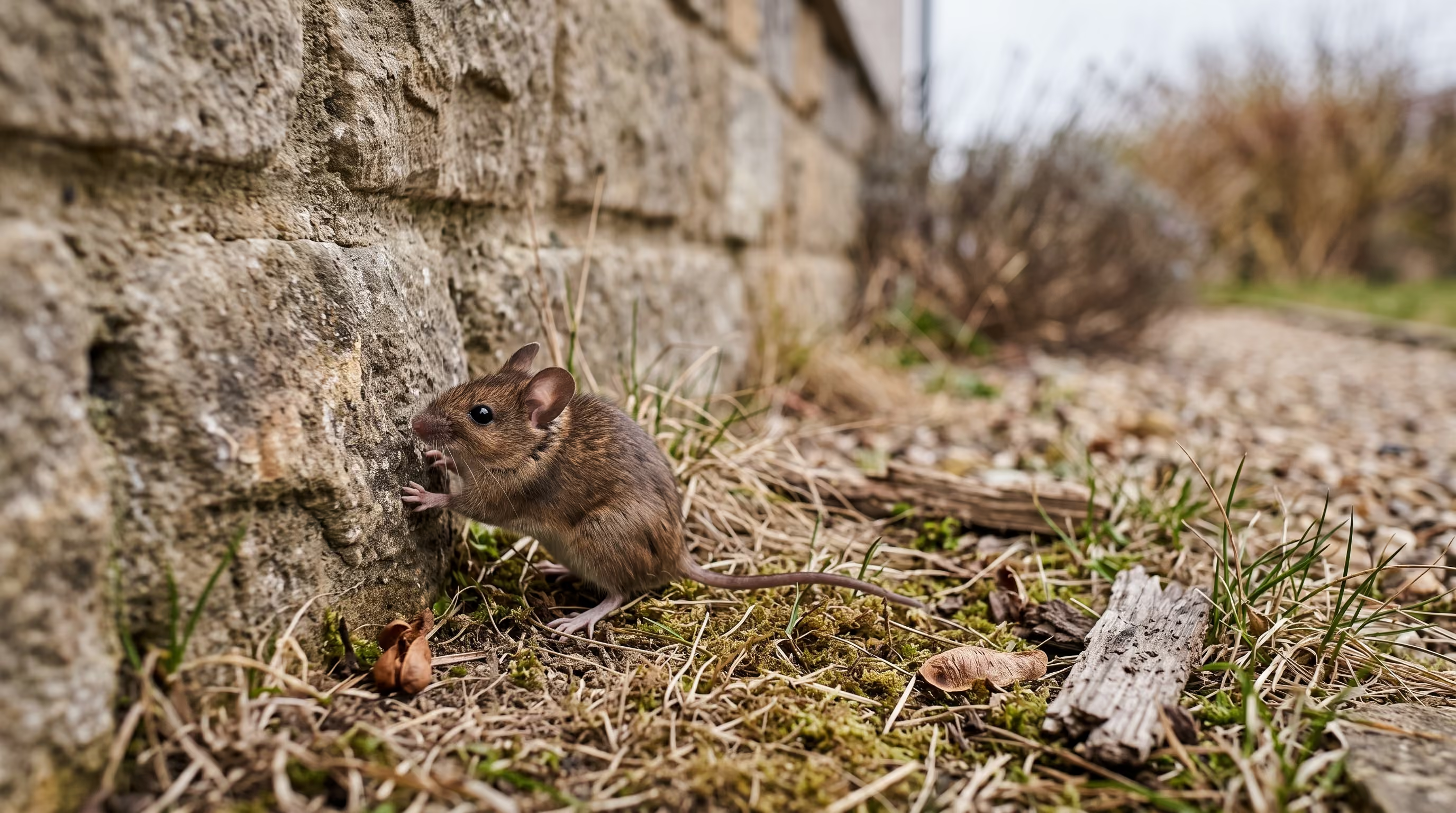
That Scratching Sound in Your Durham Walls and Attic Is Worth Investigating

That scratching sound coming from your attic or walls is easy to dismiss the first time. It happens again a few nights later, and suddenly you're lying awake wondering what's up there. In Durham homes, October is when mice and rats shift from outdoor living to indoor shelter, and the signs they leave behind are often subtle until the problem has had time to grow. Knowing what to listen and look for makes a real difference in how quickly you can act.
What That Scratching Sound Tells You
Scratching, scurrying, and light thumping sounds in walls or attics at night are among the clearest early indicators of rodent activity in a home. Mice and rats are nocturnal, so the noise tends to start after dark and may stop when the house gets quiet. If you hear it consistently in the same area, that's not a coincidence. It usually means an animal is using a path it's already established, which points to a nest or regular travel route nearby.
The location of the sound matters too. Scratching near the roofline or higher up in walls tends to suggest roof rats, which are strong climbers and prefer elevated nesting spots. Sounds lower in the walls, under floors, or in crawlspaces are more commonly associated with mice or Norway rats. Neither distinction makes the problem less serious, but it helps narrow down what you’re dealing with and where to start looking when treatment begins.
Other Signs Beyond the Noise
Sound is only one indicator. Rodents leave behind physical evidence that's worth checking if you suspect activity, even before anything audible shows up.
Droppings are the other most common warning sign. Mouse droppings are small, dark, tapered at both ends, and typically around a quarter inch long. Rat droppings are larger (closer to half an inch) and blunter in shape. Finding them along baseboards, in the back corners of kitchen cabinets, or near the water heater often confirms that what you heard isn't the house settling.
Gnaw marks on food packaging, wood trim, or electrical wiring are another sign that warrants attention. Rodents chew constantly to keep their teeth filed down, and they'll gnaw through almost anything while doing so.
You might also notice a faint, musty odor in closed spaces like attics or crawlspaces. That smell tends to come from nesting material, droppings, and urine building up over time, which means the activity has been going on longer than you might have realized.
Why Fall Draws Rodents to Durham Homes
Rodents don't suddenly appear indoors in October by accident. As outdoor temperatures drop and food sources get harder to find outside, mice and rats begin moving toward structures that offer warmth and shelter. Durham's mix of wooded lots, mature tree canopy, and proximity to streams and open land creates plenty of outdoor rodent populations that expand into nearby neighborhoods each fall.
In Durham's older housing stock, especially in neighborhoods with larger trees and older landscaping, rodents have no shortage of outdoor cover to move through and entry points to utilize in the fall. This transition doesn't require a hard freeze. A few cool nights in a row is often enough for rodents to start exploring gaps around rooflines, utility penetrations, and foundation vents.
Once they get inside, they don't leave on their own. A mouse can fit through surprisingly small openings. A gap around a pipe penetration, a warped crawlspace vent screen, or a crack where the siding meets the foundation is all the access they need. If those entry points stay open and there's a food source nearby, a small problem becomes an established one within a few weeks.
If you're in the Durham, Chapel Hill, Hillsborough, or the surrounding communities and you've started noticing these signs, reaching out sooner rather than later matters. Our team at Pest & Termite Consultants handles rodent issues for homes throughout Durham and the Triangle through professional rodent inspections and treatments. Contact us today to learn more about our rodent control services near you or to schedule an inspection.
FAQs About Fall Rodent Problems in Durham
How do I know if the scratching is mice or something else, like squirrels?
Squirrels are active during the day and tend to make louder, heavier movement sounds, often concentrated in the morning and afternoon. Mice and rats are quieter and primarily active at night. If the noise is happening after 10 p.m. and before dawn, rodents are the more likely culprit.
Can rodents in the attic get into the rest of the house?
Yes. Mice especially will travel through wall voids and follow utility lines, pipes, and ductwork throughout a home. An attic infestation doesn't stay contained to the attic for long if they have ways to access the rest of the house.
Is it enough to set traps myself and skip calling someone?
Traps can reduce the number of active rodents in your house temporarily, but they don't address the entry points that let them in. Without finding and sealing those gaps, new rodents will continue coming in. A professional inspection is usually what identifies the source rather than just the symptom.
What's the fastest way to confirm whether something is actually in my attic?
Go into the attic during the day with a flashlight and look for droppings, gnaw marks, shredded insulation used for nesting, or grease trails along joists and beams. Fresh droppings are moist and dark. Older ones are dry and gray. Either finding confirms active or recent use.
How long does a rodent problem take to develop once they get inside?
Mice can reproduce quickly once they're established indoors. A small number of mice entering in early October can become a much larger population by late November. That’s why early fall is the right time to act, not after the first hard freeze.
Don't Ignore Signs of Rodents in Your Home
Rodent problems are easier and less expensive to address at the start than after a colony has had weeks to settle in. If you're hearing scratching in your Durham home, or if you've found droppings or other signs of activity, our team can help you figure out what your rodent control needs are and put a plan in place. Reach out to Pest & Termite Consultants to schedule your inspection before the problem grows.