Pest Control in Clayton, NC
Clayton is one of the fastest-growing towns in the Triangle, a Johnston County community of over 25,000 residents that has transformed from a small agricultural town into a thriving Raleigh suburb. Located southeast of Raleigh along US-70 and the NC-42 corridor, Clayton sits in the Neuse River basin where the Piedmont transitions toward the Coastal Plain. The town's rapid expansion has converted farms and forest into residential neighborhoods at a pace that creates constant pest displacement, while the Neuse River to the north, the Middle Creek and Swift Creek drainages, and Johnston County's agricultural surroundings sustain mosquito populations, termite-favorable soil moisture, and seasonal pest migration from harvested fields. Our Raleigh office serves Clayton and Johnston County.
Home Pest Control in Clayton
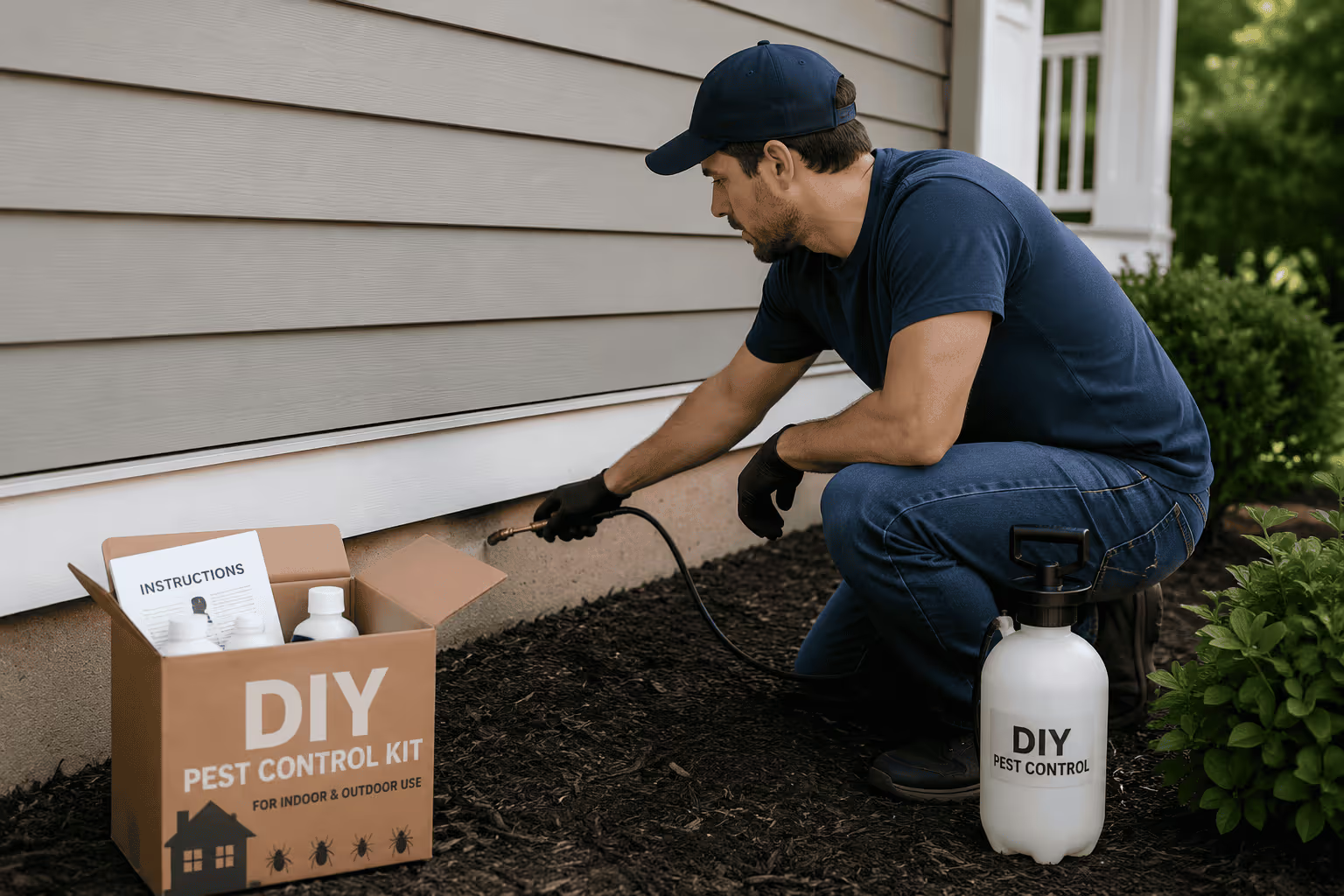
Clayton's residential landscape spans the historic downtown homes along Main Street through the established subdivisions of Flowers Plantation and Riverwood to the newest developments pushing south and east. The older homes near downtown have original construction with crawl spaces and wood framing that create traditional pest entry points, while the booming new construction on Clayton's edges deals with displacement pests from recently cleared agricultural and wooded land. Our residential pest control program provides quarterly treatments customized for Clayton's mix of construction ages and Johnston County's specific pest conditions.
Termite Control in Clayton
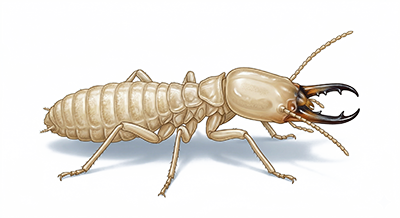
Johnston County's transitional soils — Piedmont clay giving way to sandier Coastal Plain material — retain moisture at levels that sustain subterranean termites year-round. Clayton's older homes with original foundations face the most immediate risk, but the newer construction on recently graded soil is also vulnerable as pre-construction treatments wear off and settlement cracks develop. The Neuse River's moisture influence elevates termite risk for properties in northern Clayton. Our termite control services include inspections, liquid barrier treatments, and monitoring systems tailored for Johnston County soils.
Mosquito Control in Clayton
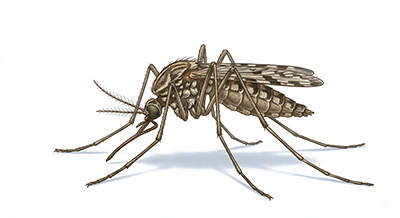
The Neuse River, Middle Creek, Swift Creek, and the agricultural drainage features throughout the Clayton area create extensive mosquito breeding habitat. The stormwater retention ponds in every new subdivision add additional breeding sites close to homes. Our mosquito reduction program targets breeding sites and adult resting areas on your property to provide meaningful relief during the warm months.
Rodent Control in Clayton
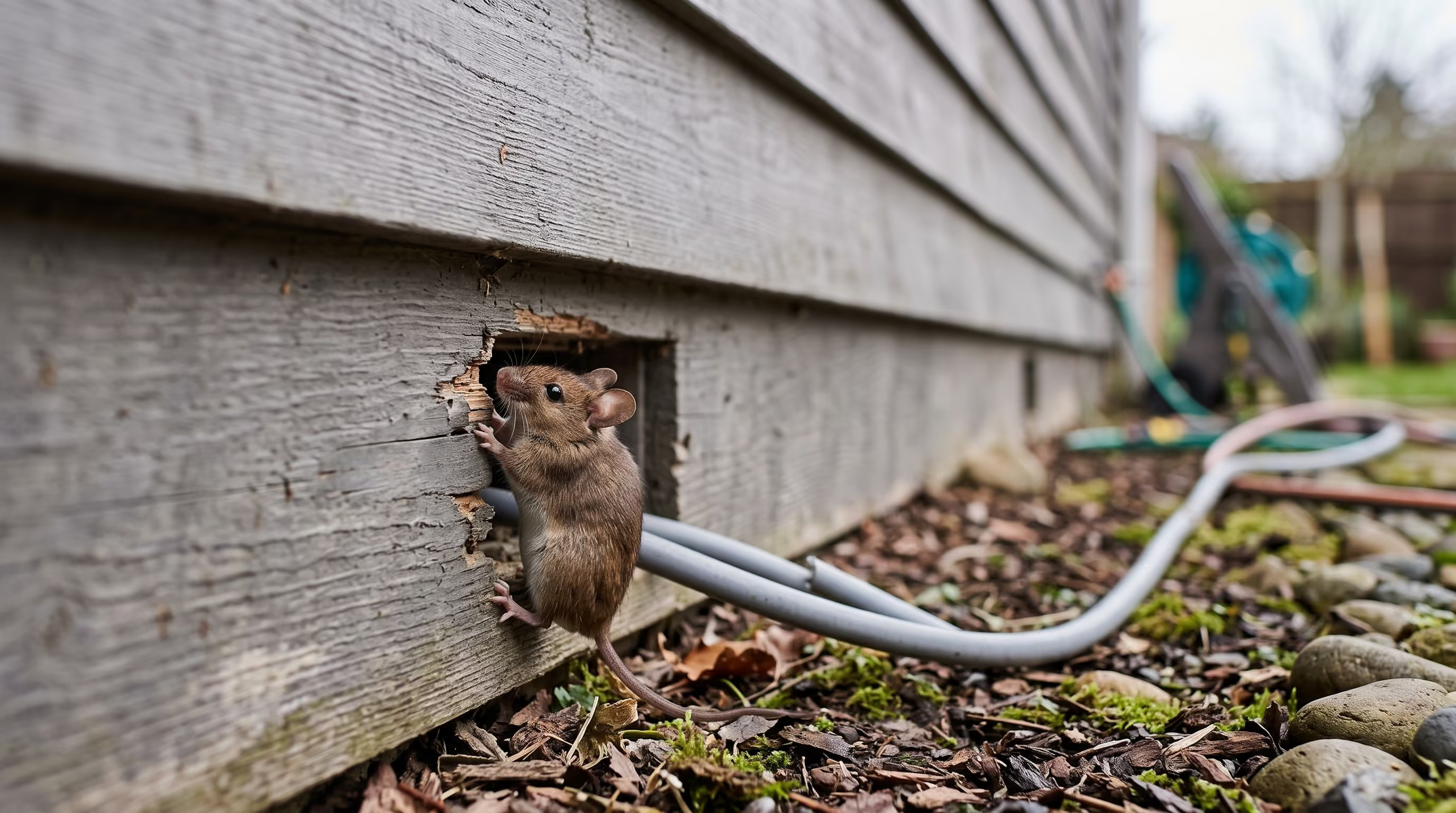
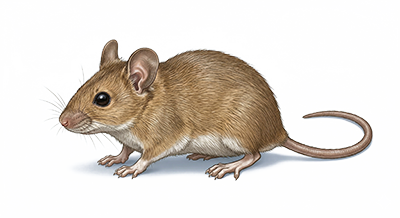
Clayton's rapid expansion into former farmland displaces field mice, rats, and wildlife into adjacent residential areas. The Neuse River corridor and the creek systems that thread through town provide rodent travel routes connecting agricultural land to residential neighborhoods. Our rodent control services include inspections, professional exclusion, and targeted trapping programs.


Local Pest Insights for Clayton, NC
Clayton's position at the southeastern edge of the Triangle's growth wave creates a distinctive pest environment. The town sits where Raleigh's suburban expansion meets Johnston County's active agricultural landscape, meaning many Clayton neighborhoods are literally bordered by the farms and fields that have defined the county for generations. This juxtaposition creates a dual pest dynamic: construction-phase displacement from newly cleared development land combined with ongoing agricultural pest migration from the active farms that remain.
The Neuse River, which forms Clayton's northern boundary, adds a permanent moisture and wildlife corridor that influences pest conditions across the town. The river's floodplain maintains elevated soil moisture and mosquito breeding habitat, and the riparian corridor supports wildlife populations that move into residential areas. Clayton's transitional soils — heavier Piedmont clay in the western part of town transitioning to sandier Coastal Plain material to the east — retain moisture differently depending on location, affecting termite risk and drainage patterns at a neighborhood-by-neighborhood level.
Why Choose Pest & Termite Consultants in Clayton?
Clayton's growth trajectory, agricultural surroundings, and position in the Neuse River basin create pest conditions that vary significantly across the town. A home near the Neuse River faces different pressures than one backing to active farmland on Clayton's southern edge, and both differ from a property in the established neighborhoods near downtown. Our technicians assess each property's proximity to the river, relationship to agricultural land, construction age, and soil conditions to design treatment plans specific to your Clayton neighborhood.
Additional Pest Control Services in Clayton
Clayton's growing commercial landscape — from the restaurants and retail along US-70 and the NC-42 corridor to the industrial and distribution facilities in eastern Johnston County — requires professional pest management. Our commercial pest control services provide code-compliant programs for food service, retail, healthcare, office environments, and commercial properties throughout Clayton.
Service Areas Near Clayton
From our Raleigh office, we serve Clayton and the surrounding Johnston County communities including Smithfield, Selma, Garner, and Raleigh. We also serve Goldsboro and communities throughout eastern Wake and Johnston Counties.
Frequently Asked Questions About Pest Control in Clayton
How does Clayton's growth affect pest problems?
Clayton's rapid expansion into former farmland and forest displaces existing wildlife and insect populations into adjacent neighborhoods. Properties near active construction sites experience elevated pest pressure during clearing and grading phases. The displacement effect is compounded by the active farms that remain on Clayton's edges, creating dual sources of pest migration. These elevated levels typically stabilize 1-2 years after surrounding development is completed.
Are termites common in Clayton?
Yes. Johnston County's transitional soils retain moisture that sustains active termite populations year-round. Both older homes with original construction and newer homes on recently graded soil face termite risk. The Neuse River's moisture influence elevates risk further for properties in northern Clayton. Annual termite inspections are essential for every Clayton home.
Does the Neuse River affect pest conditions in Clayton?
The Neuse River's floodplain and riparian corridor sustain elevated soil moisture, mosquito breeding habitat, and wildlife populations that influence pest conditions across northern Clayton. Properties closest to the river and its tributaries experience the highest pest pressure, but the river's moisture influence extends inland across a broad area.
What pests are most common in Clayton?
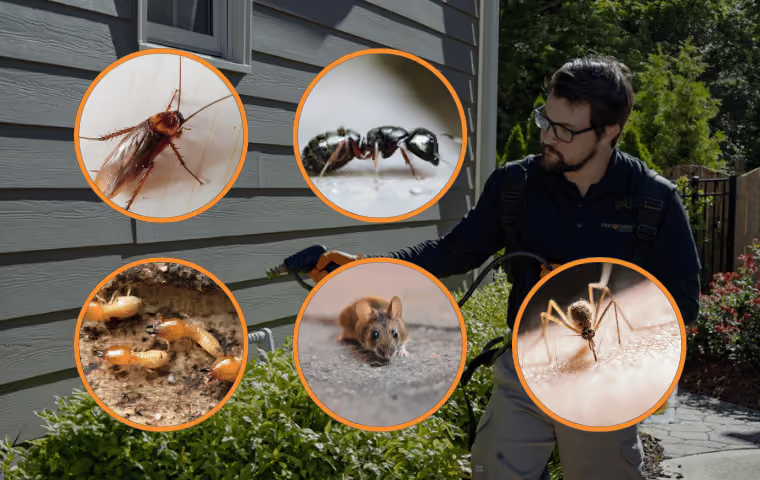
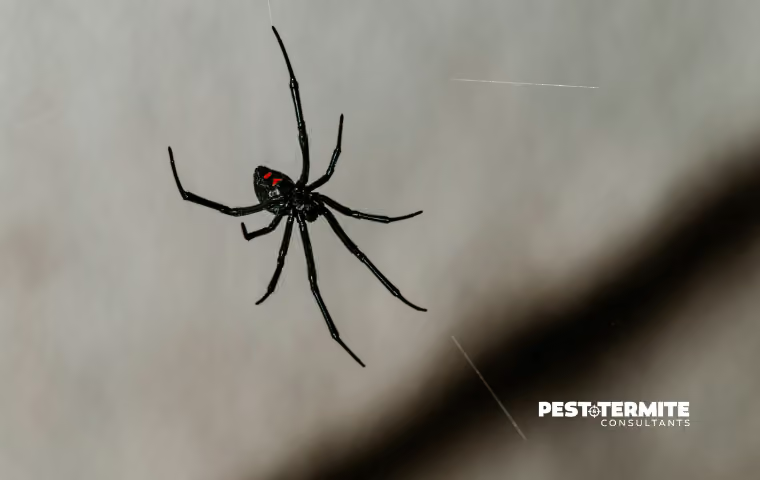
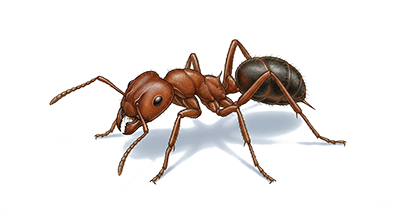
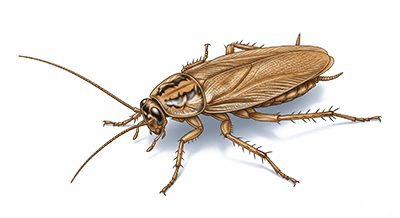
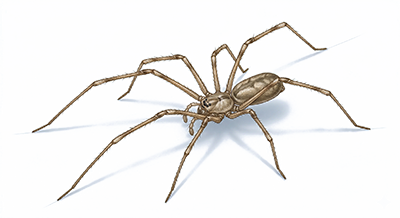
Common household pests in Clayton include ants, cockroaches, subterranean termites, mosquitoes, spiders, and mice. Fire ants are also prevalent in Clayton's yards and outdoor spaces. The specific pest mix varies by location — properties near the Neuse River see more mosquitoes and moisture pests, while those near agricultural land deal more with seasonal rodent migration.
How often should Clayton homes be treated?
Quarterly treatments provide the most effective year-round protection. The Triangle's mild climate keeps pest species active through winter, and Clayton's combination of river moisture and agricultural surroundings sustains pest populations year-round. Quarterly service maintains consistent protection and allows us to adapt to seasonal pest shifts.
Do you serve the Flowers Plantation area?
Yes. We serve all Clayton neighborhoods including Flowers Plantation, Riverwood, and the newer communities throughout eastern and southern Clayton. Flowers Plantation's position near the Neuse River means properties in that area may experience elevated mosquito and moisture-pest pressure compared to Clayton's southern neighborhoods.
Ready to protect your Clayton home or business from pests? Contact Pest & Termite Consultants today or call (919) 246-8831 to schedule your free inspection.
Local Pest Insights for Clayton, NC
Clayton's position at the southeastern edge of the Triangle's growth wave creates a distinctive pest environment. The town sits where Raleigh's suburban expansion meets Johnston County's active agricultural landscape, meaning many Clayton neighborhoods are literally bordered by the farms and fields that have defined the county for generations. This juxtaposition creates a dual pest dynamic: construction-phase displacement from newly cleared development land combined with ongoing agricultural pest migration from the active farms that remain.
The Neuse River, which forms Clayton's northern boundary, adds a permanent moisture and wildlife corridor that influences pest conditions across the town. The river's floodplain maintains elevated soil moisture and mosquito breeding habitat, and the riparian corridor supports wildlife populations that move into residential areas. Clayton's transitional soils — heavier Piedmont clay in the western part of town transitioning to sandier Coastal Plain material to the east — retain moisture differently depending on location, affecting termite risk and drainage patterns at a neighborhood-by-neighborhood level.
Why Choose Pest & Termite Consultants in Clayton?
Clayton's growth trajectory, agricultural surroundings, and position in the Neuse River basin create pest conditions that vary significantly across the town. A home near the Neuse River faces different pressures than one backing to active farmland on Clayton's southern edge, and both differ from a property in the established neighborhoods near downtown. Our technicians assess each property's proximity to the river, relationship to agricultural land, construction age, and soil conditions to design treatment plans specific to your Clayton neighborhood.
Additional Pest Control Services in Clayton
Clayton's growing commercial landscape — from the restaurants and retail along US-70 and the NC-42 corridor to the industrial and distribution facilities in eastern Johnston County — requires professional pest management. Our commercial pest control services provide code-compliant programs for food service, retail, healthcare, office environments, and commercial properties throughout Clayton.
Service Areas Near Clayton
From our Raleigh office, we serve Clayton and the surrounding Johnston County communities including Smithfield, Selma, Garner, and Raleigh. We also serve Goldsboro and communities throughout eastern Wake and Johnston Counties.
Frequently Asked Questions About Pest Control in Clayton
How does Clayton's growth affect pest problems?
Clayton's rapid expansion into former farmland and forest displaces existing wildlife and insect populations into adjacent neighborhoods. Properties near active construction sites experience elevated pest pressure during clearing and grading phases. The displacement effect is compounded by the active farms that remain on Clayton's edges, creating dual sources of pest migration. These elevated levels typically stabilize 1-2 years after surrounding development is completed.
Are termites common in Clayton?
Yes. Johnston County's transitional soils retain moisture that sustains active termite populations year-round. Both older homes with original construction and newer homes on recently graded soil face termite risk. The Neuse River's moisture influence elevates risk further for properties in northern Clayton. Annual termite inspections are essential for every Clayton home.
Does the Neuse River affect pest conditions in Clayton?
The Neuse River's floodplain and riparian corridor sustain elevated soil moisture, mosquito breeding habitat, and wildlife populations that influence pest conditions across northern Clayton. Properties closest to the river and its tributaries experience the highest pest pressure, but the river's moisture influence extends inland across a broad area.
What pests are most common in Clayton?
Common household pests in Clayton include ants, cockroaches, subterranean termites, mosquitoes, spiders, and mice. Fire ants are also prevalent in Clayton's yards and outdoor spaces. The specific pest mix varies by location — properties near the Neuse River see more mosquitoes and moisture pests, while those near agricultural land deal more with seasonal rodent migration.
How often should Clayton homes be treated?
Quarterly treatments provide the most effective year-round protection. The Triangle's mild climate keeps pest species active through winter, and Clayton's combination of river moisture and agricultural surroundings sustains pest populations year-round. Quarterly service maintains consistent protection and allows us to adapt to seasonal pest shifts.
Do you serve the Flowers Plantation area?
Yes. We serve all Clayton neighborhoods including Flowers Plantation, Riverwood, and the newer communities throughout eastern and southern Clayton. Flowers Plantation's position near the Neuse River means properties in that area may experience elevated mosquito and moisture-pest pressure compared to Clayton's southern neighborhoods.
Ready to protect your Clayton home or business from pests? Contact Pest & Termite Consultants today or call (919) 246-8831 to schedule your free inspection.